As wildfires continue to threaten communities, many homeowners are left wondering about the impact on their insurance. In this post, we’ll explore the rising costs of insurance due to wildfires, discuss fire hardening measures, and explain how to prepare for potential insurance challenges.
Understanding the Wildfire Insurance Crisis
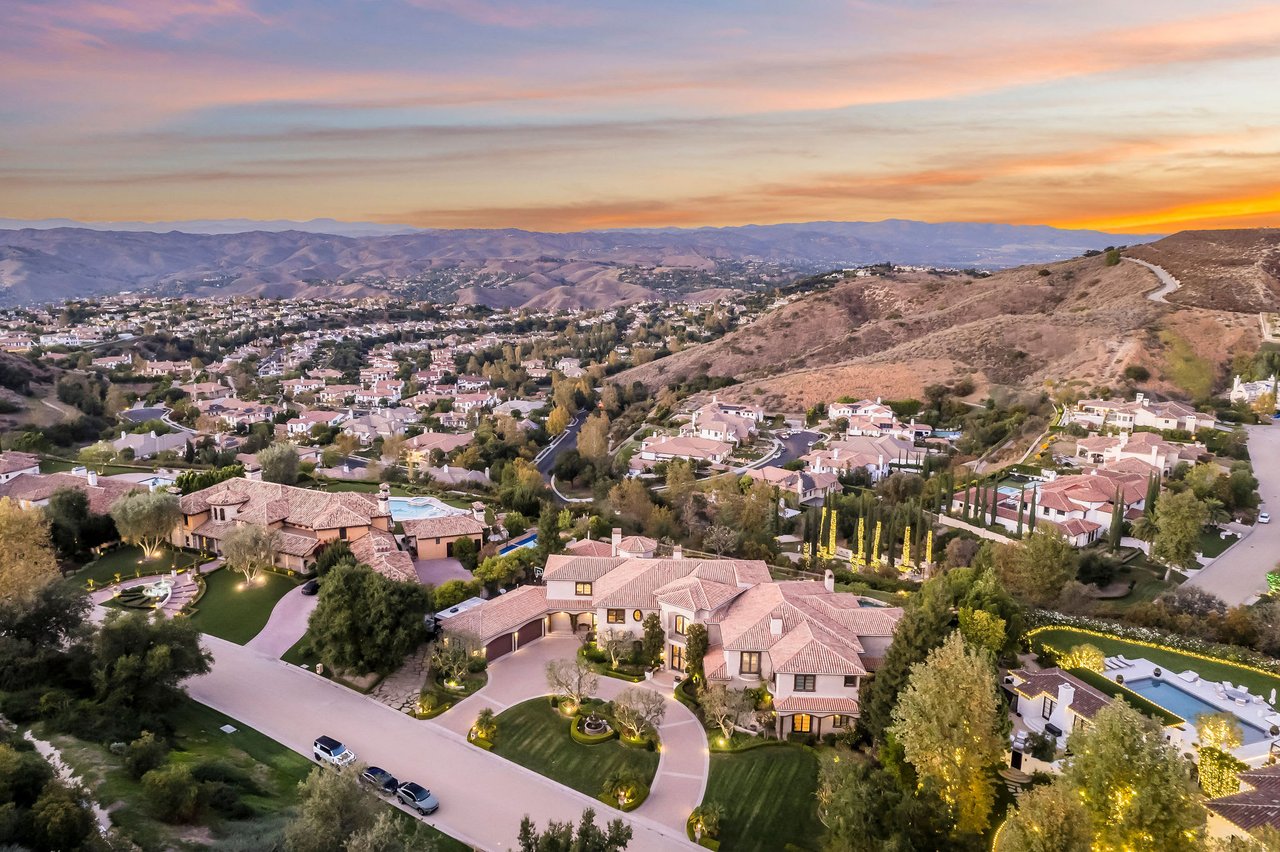
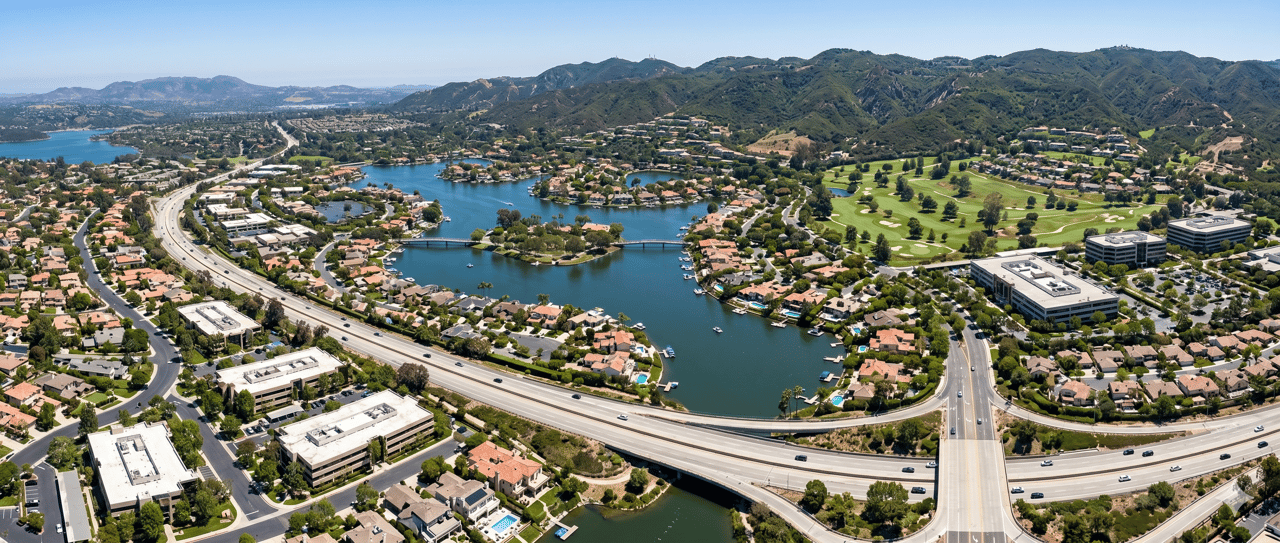
Wildfires have become an all-too-common occurrence in recent years, particularly in areas like Calabasas Hills, which have been directly impacted by devastating blazes like the Woolsey Fire. In this section, we will look at how these events have changed the landscape of real estate insurance.
The Rising Costs of Insurance
The aftermath of the Woolsey Fire highlighted a significant issue: skyrocketing insurance premiums. Homeowners who once paid a manageable amount are now facing exorbitant rates, with some premiums reaching as high as $180,000 a year for high-value properties. This surge in costs is due to increased risk assessments made by insurance companies as they reevaluate the insurability of properties in fire-prone areas.
The Role of Insurability in Real Estate Transactions
In the current market, insurability is crucial for securing a loan. Without insurance, buyers may find it difficult—or impossible—to purchase a home, creating a frozen real estate market. Understanding how wildfires affect insurability is essential for anyone looking to buy or sell property in high-risk areas.
Fire Hardening: A Necessity for Homeowners
One proactive measure homeowners can take is fire hardening. This process involves implementing specific strategies to make homes more resistant to wildfires.
What is Fire Hardening?
Fire hardening refers to the steps taken to protect homes from wildfires. It includes creating defensible spaces around your property, using fire-resistant materials for roofing and siding, and installing fire suppression systems. Here’s a closer look at these components:
- Defensible Space: This involves clearing brush and trees within a certain distance of your home to prevent flames from spreading across the 5ft and 20ft property perimeters.
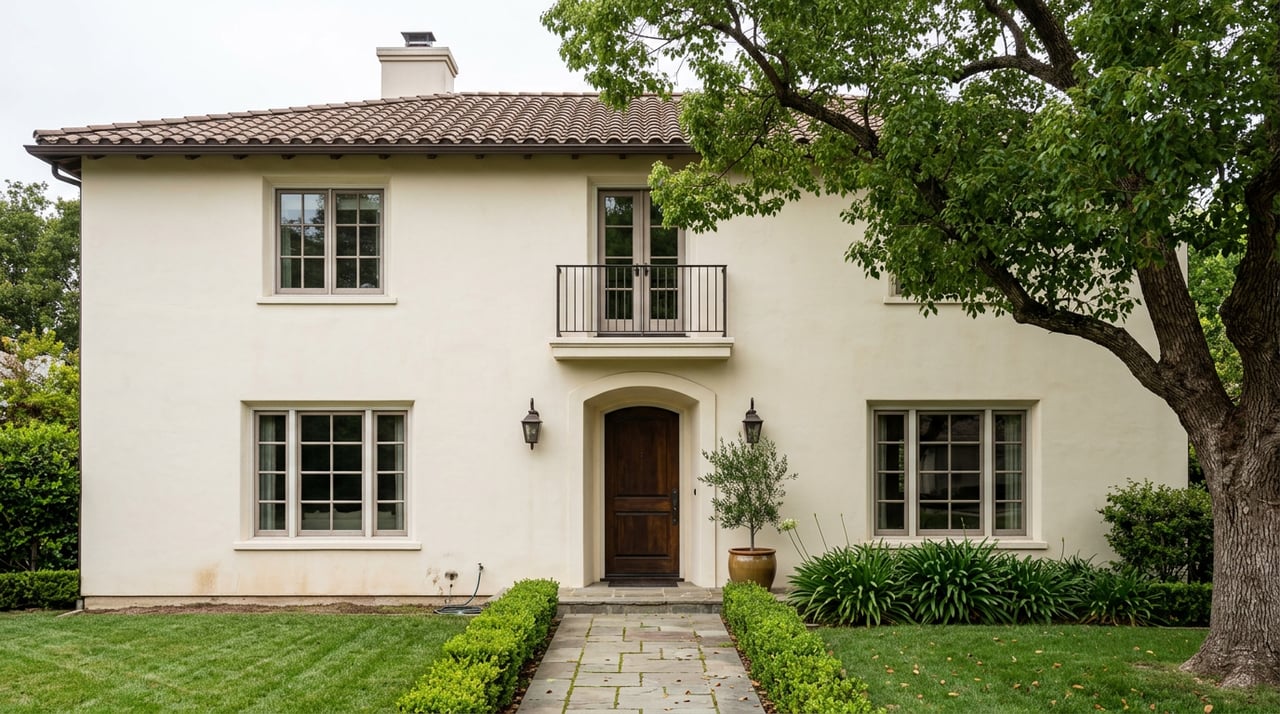
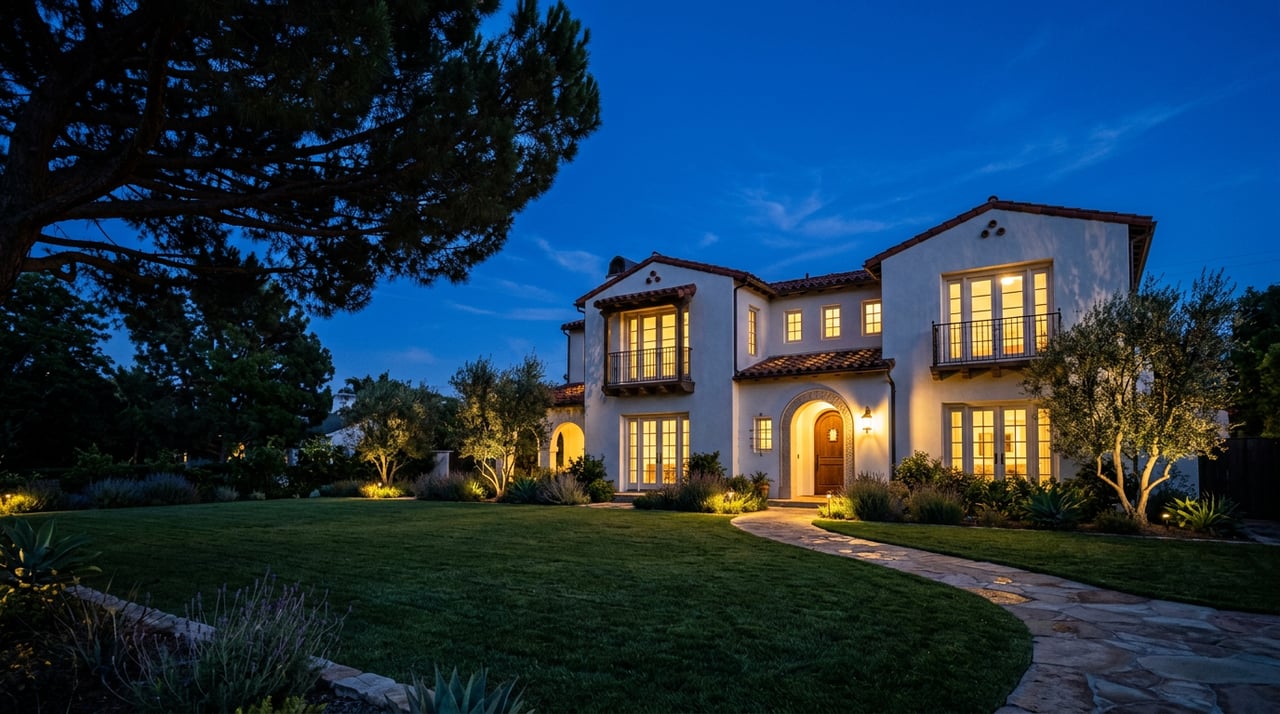
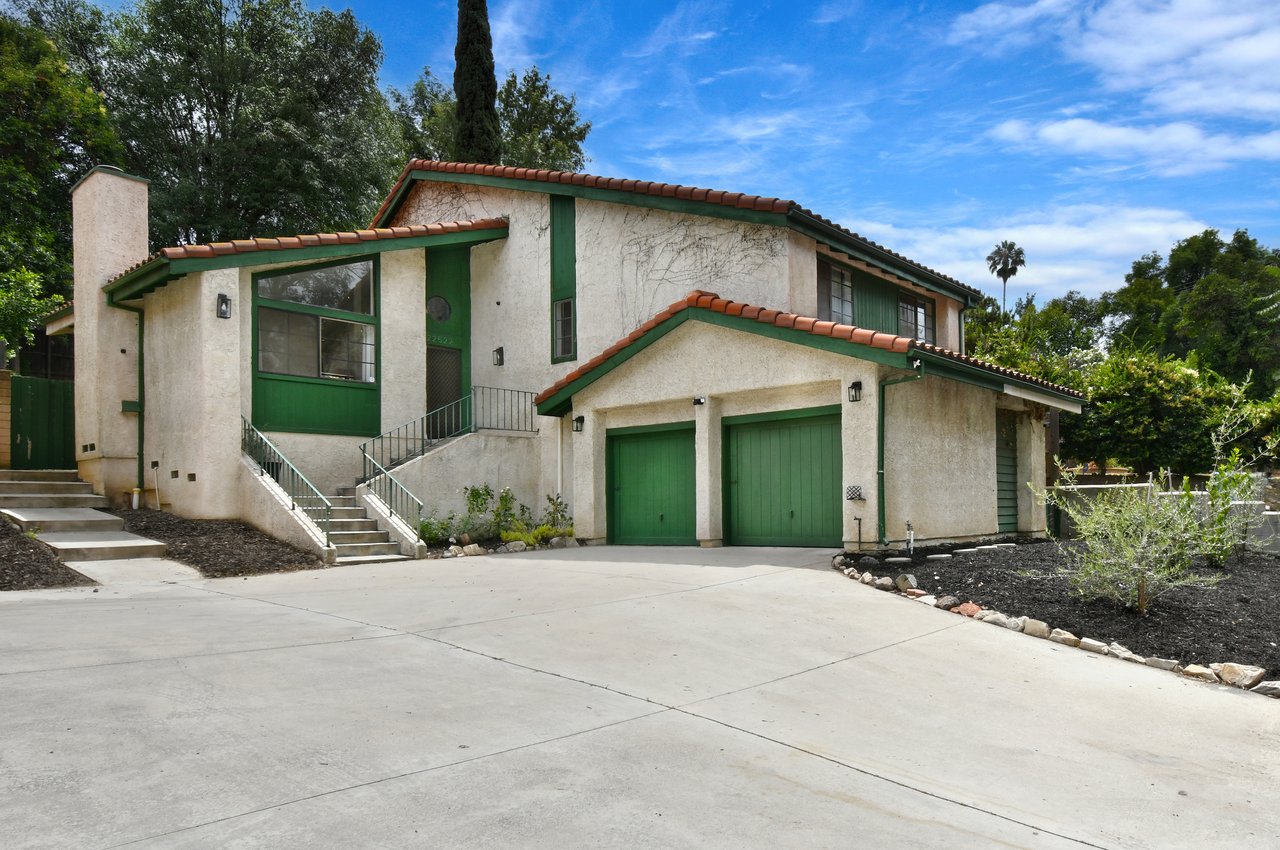
- Fire-Resistant Materials: Using materials like tile roofs (Class A materials) and tempered glass windows can significantly reduce the risk of flying ember damage.
- Fire Suppression Systems: Installing exterior rainbird sprinkler systems and high-powered pool pumps can help protect your structural perimeter during a wildfire event.
Benefits of Fire Hardening
Implementing fire hardening measures can not only protect your home but may also lead to lower insurance premiums. Insurance companies are increasingly offering discounts for homes that are fire hardened, recognizing the reduced risk they present.
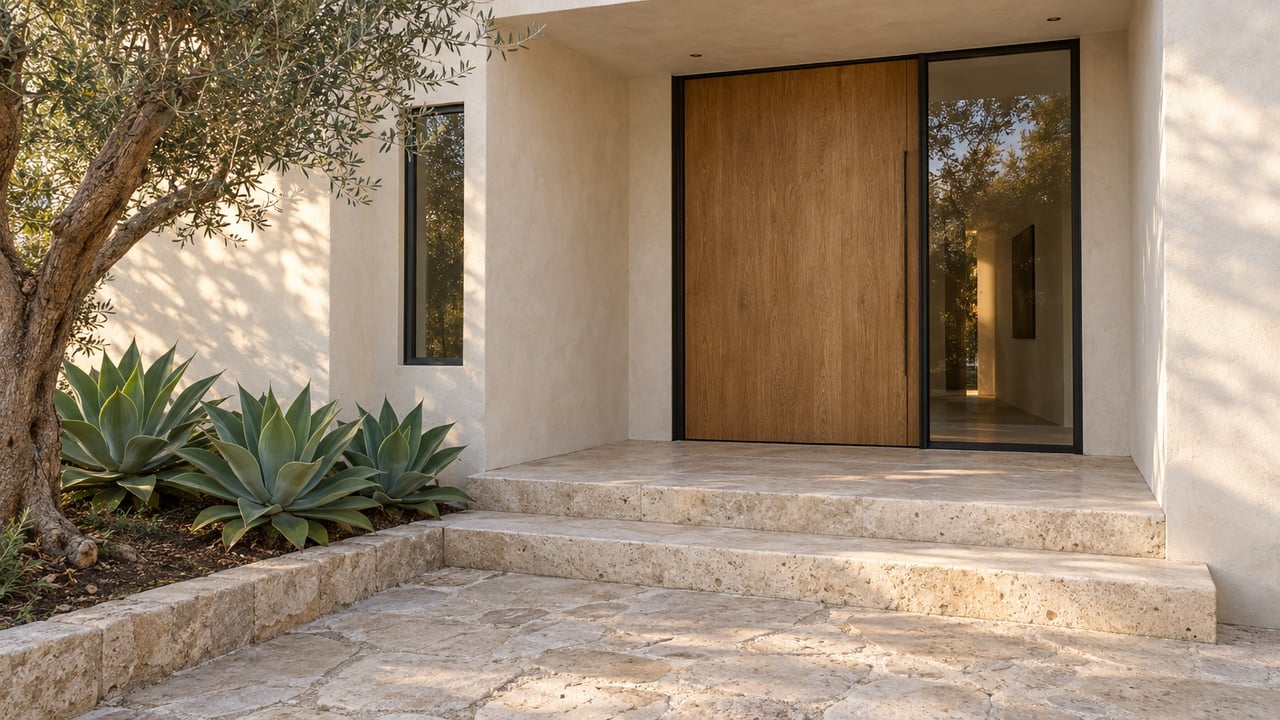
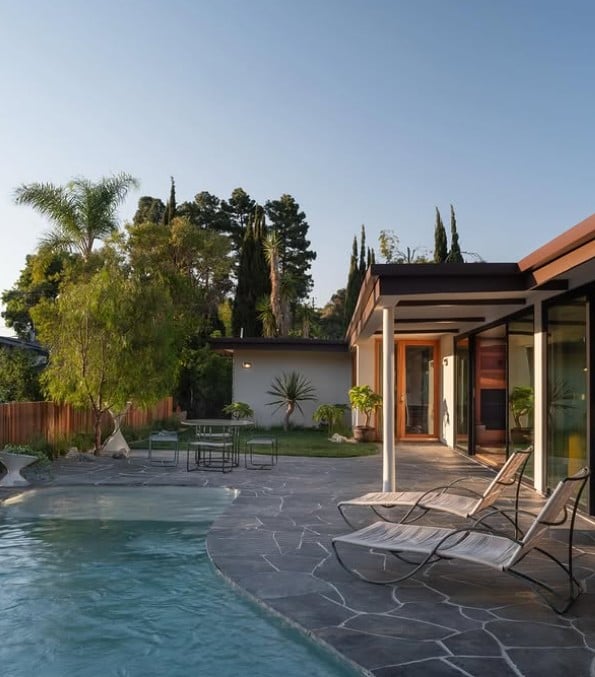
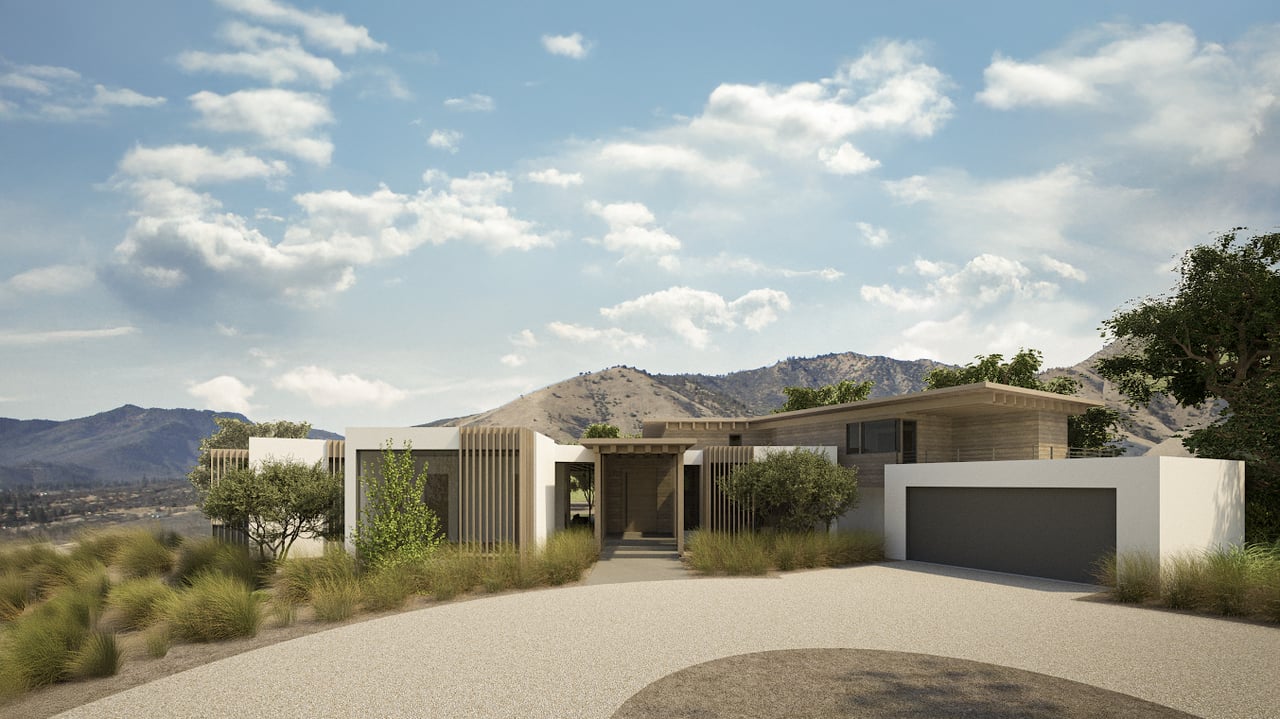
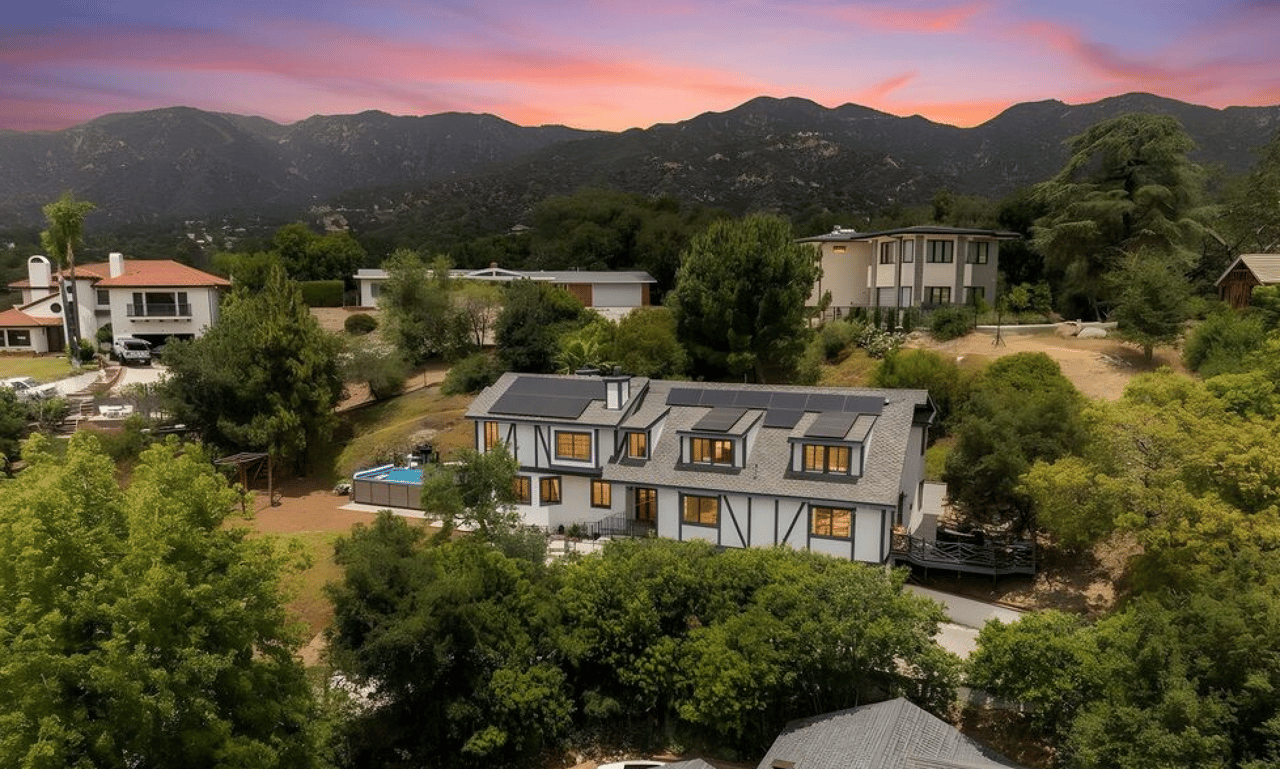
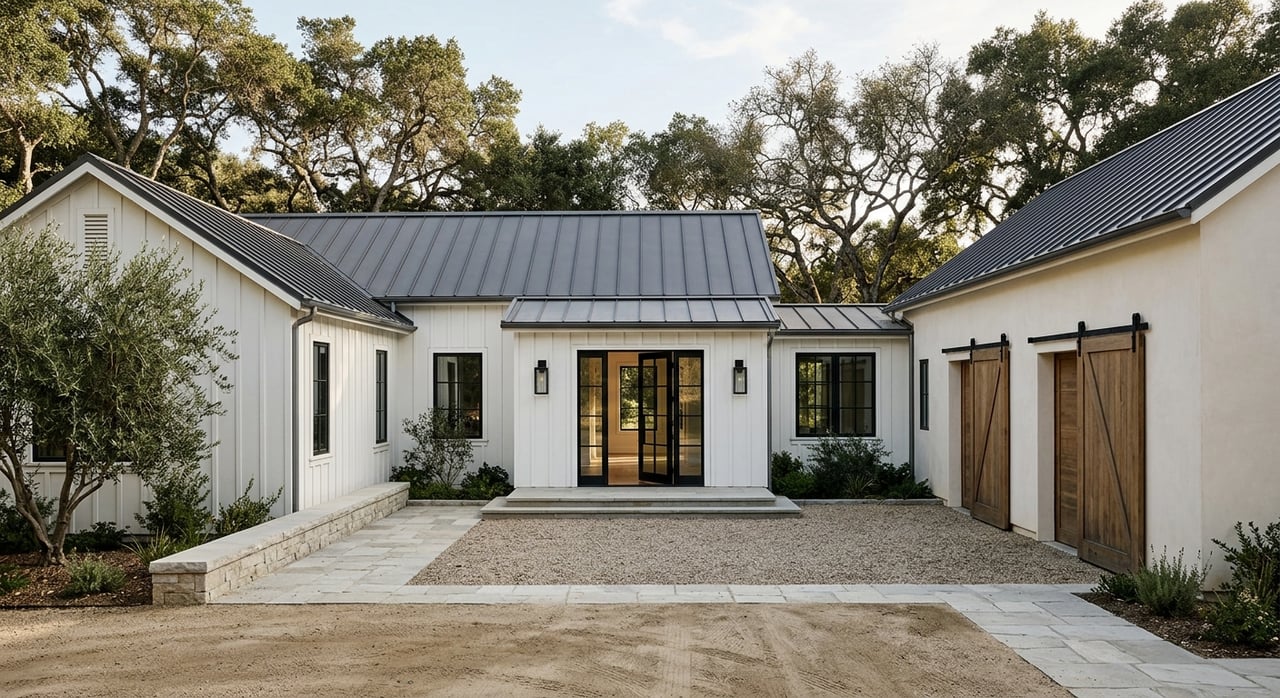
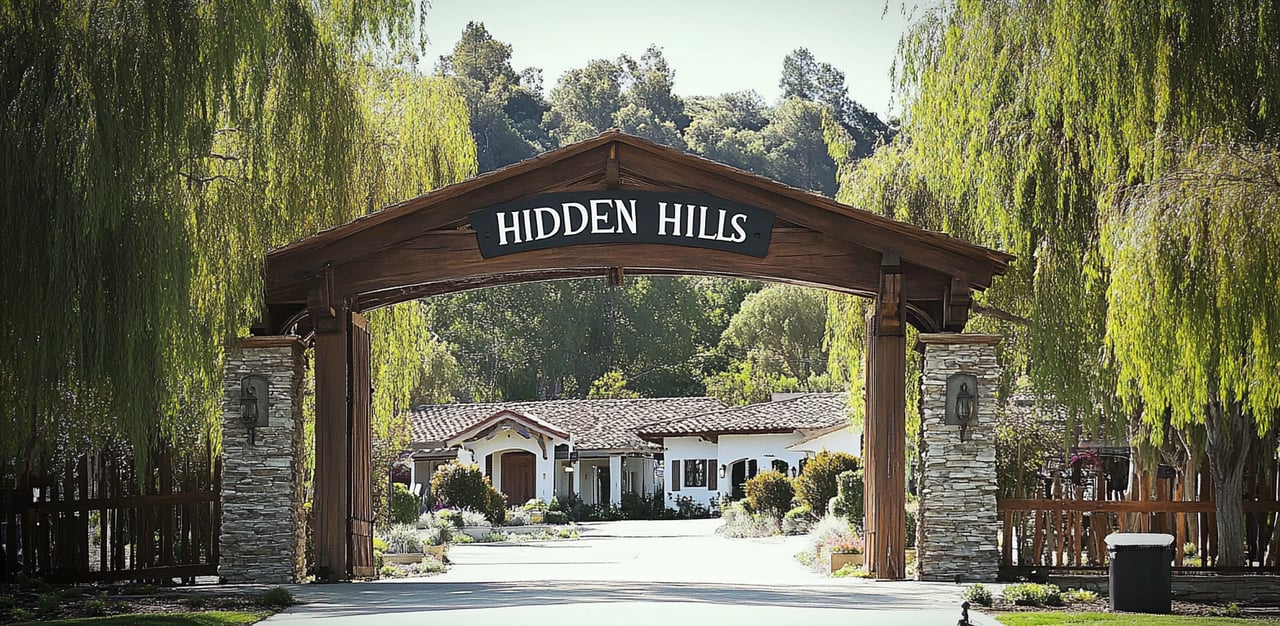
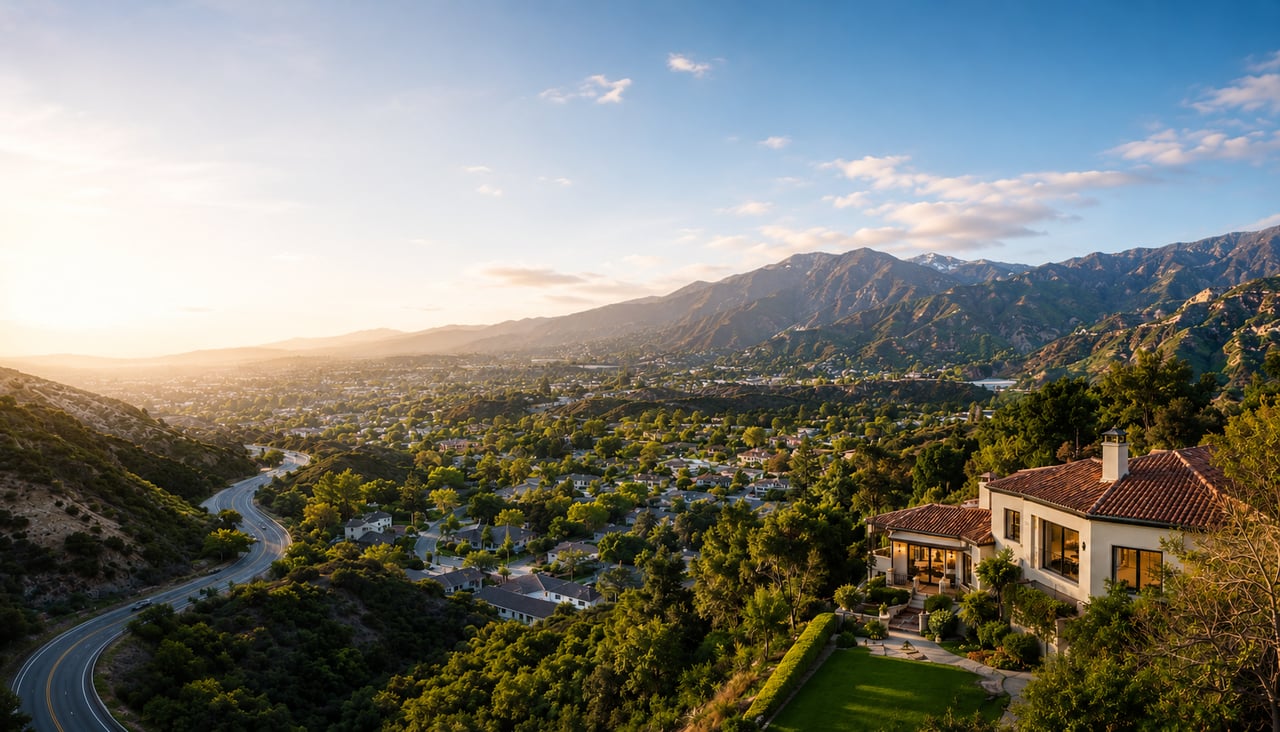
Proactive architectural adjustments shield estates from local wildfire risks.
Preparing for Insurance Challenges
With the rising costs and complexities surrounding insurance in fire-prone areas, homeowners must take proactive steps to ensure they remain covered.
Avoiding Petty Claims
One way to keep your insurance premiums manageable is to avoid filing petty claims. Claims under $4,000 can significantly impact your premiums, so it’s essential to assess the damage and determine whether it’s worth filing a claim. Instead, focus on preventative measures to minimize potential damages.
Regular Assessments and Maintenance
Regularly evaluating your home’s condition and making necessary repairs can prevent minor issues from escalating into costly disasters. Being proactive about maintenance will not only keep your home in good shape but will also demonstrate to your insurer that you are a responsible homeowner.
Conclusion
Wildfires pose a significant threat to homeowners, particularly in high-risk areas like Calabasas Hills. Understanding the implications on real estate insurance, implementing fire hardening measures, and taking proactive steps to manage your insurance can help protect both your property and your finances.
Whether you’re looking to buy, sell, or simply maintain your home, being informed about these issues is crucial in today’s market. For personalized advice, consider consulting an insurance professional who can guide you through the complexities of insuring your home against wildfire risks.
Frequently Asked Questions
How can I lower my homeowners insurance premium?
To lower your homeowners insurance premium, consider implementing fire hardening measures, avoiding petty claims, and regularly maintaining your property.
What is fire hardening, and why is it important?
Fire hardening is the process of making homes more resistant to wildfires through specific measures like creating defensible spaces and using fire-resistant materials. It’s important for protecting your home and can lead to lower insurance premiums.
What should I do if my insurance is canceled?
If your insurance is canceled, it’s essential to shop around for new coverage and consider making fire hardening improvements to increase your chances of obtaining insurance in a high-risk area.
Connect with Your Local Real Estate Experts
Whether you are navigating a transaction in a fire hazard zone or trying to maximize your home value through fire hardening assets, get an expert advisor in your corner.
Preferred Insurance Partner
Jon Dadbin
Agency Owner | Goosehead Insurance
Request a comprehensive wildfire policy risk assessment.
Experience the Frontgate Advantage
Consistently ranking in the top tier of local teams nationwide with over $3B in total sales volume, Frontgate Real Estate fuses premium execution with hyper-focused market data. Let us guide your real estate strategy with absolute peace of mind.
```