If you are picturing ranch life in Upper Ojai as a simple version of country living, the reality is more layered and a lot more specific to the land. This is a part of Ventura County where large parcels, open space, and a slower daily rhythm are not just a vibe, but the result of how the valley has been planned and preserved. If you are wondering what it actually feels like to live on acreage here, this guide will help you understand the pace, the perks, and the practical tradeoffs. Let’s dive in.
Upper Ojai Feels Intentionally Rural
Upper Ojai feels different from a typical suburban edge because it was shaped to stay that way. Ventura County’s Ojai Valley Area Plan is designed to preserve the valley’s character and discourage expansion of rural and existing community designations into East Ojai and Upper Ojai.
That policy shows up in the parcel sizes. Rural Residential parcels are generally set at minimums of 2 to 10 acres, Open Space parcels are generally 10 or 20 acres minimum, and Rural Institutional parcels are generally 20 acres minimum. In day-to-day terms, that means you are far more likely to see land, distance, and working outdoor space than tightly packed homes.
The landscape adds to that feeling. The Upper Ojai Valley Groundwater Basin is its own 3,800-acre basin bounded by the Ojai Valley Basin, the Topatopa Mountains, Sulphur Mountain, and the Santa Ynez Mountains, which helps the area read as a separate ranch setting instead of a spillover suburb.
The Land Shapes the Lifestyle
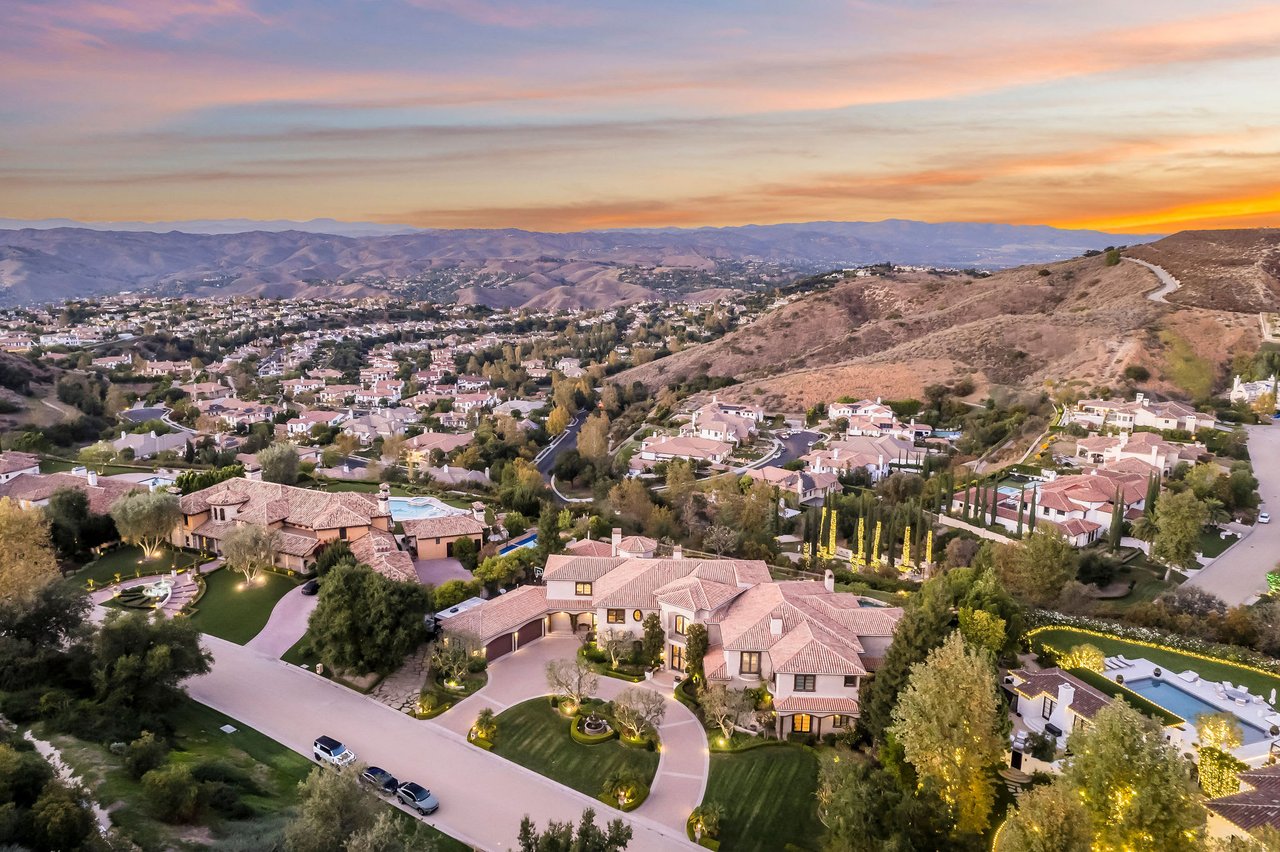
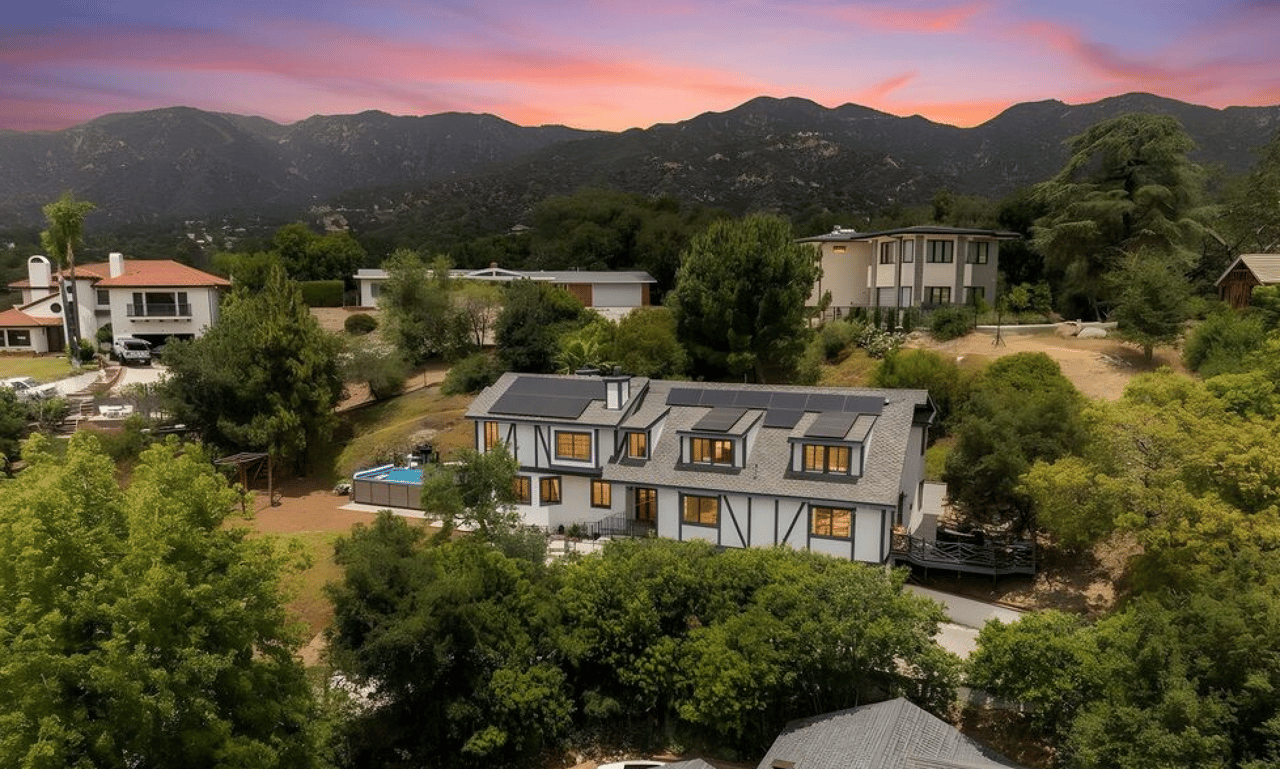
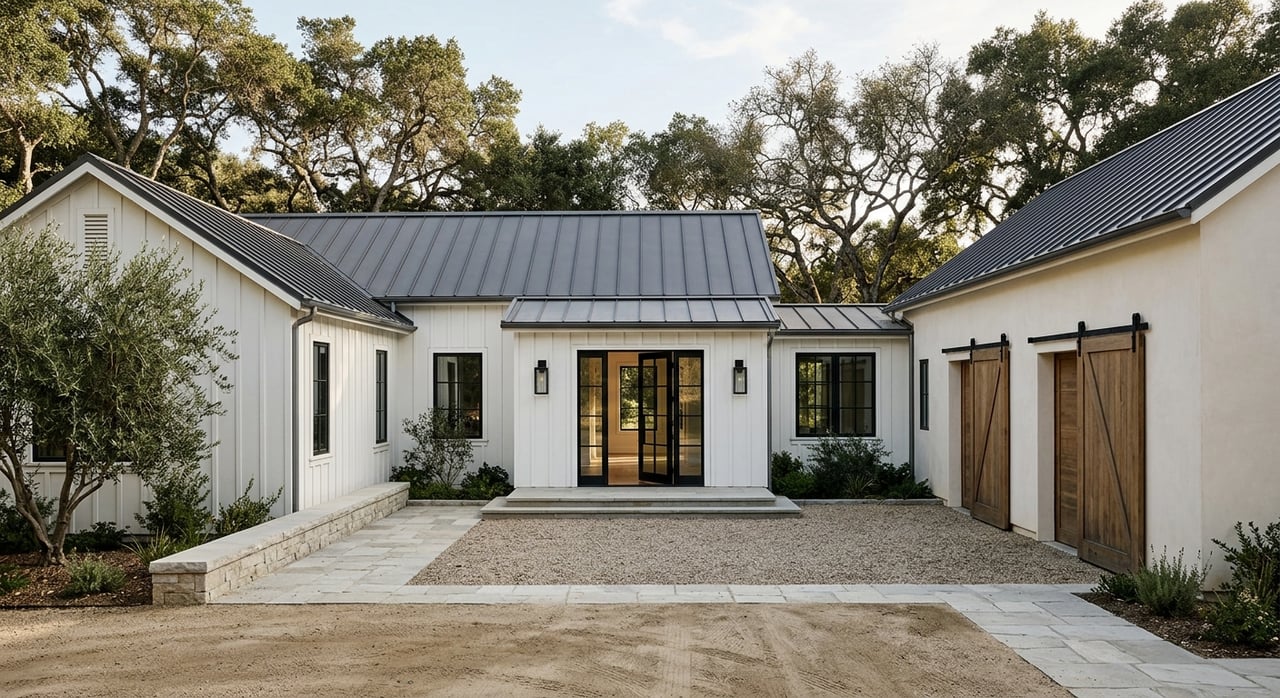
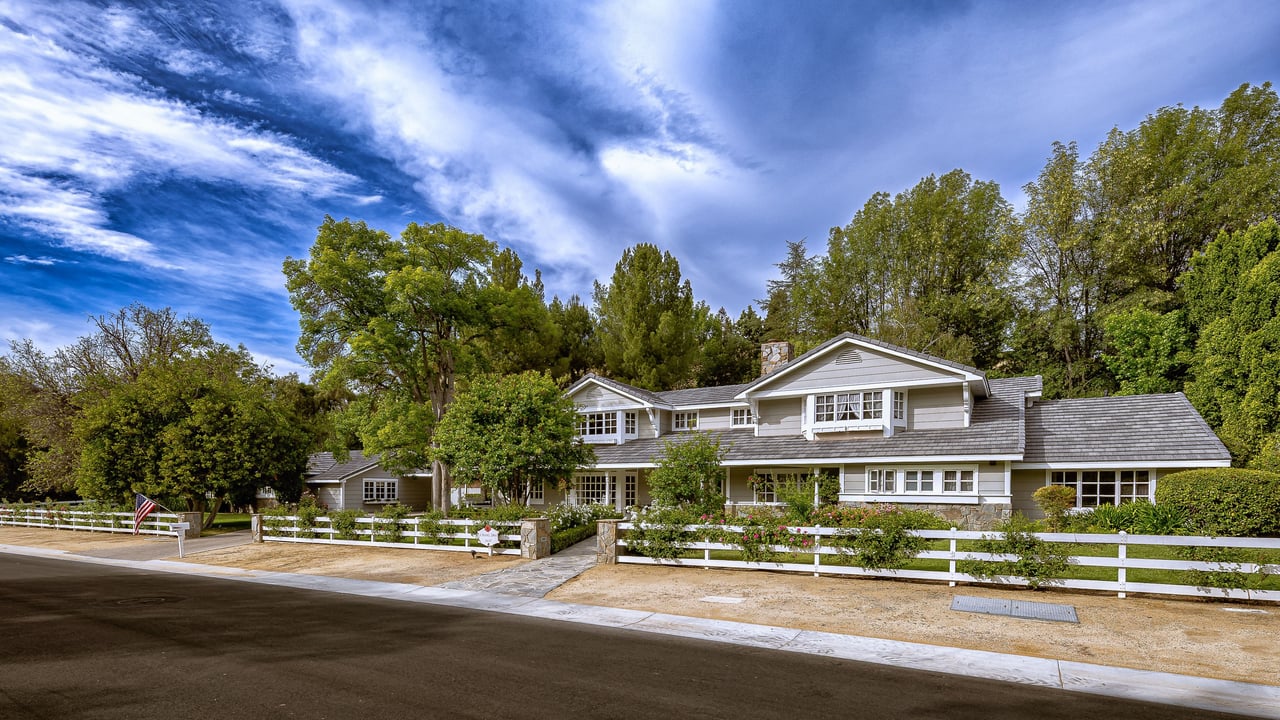
In Upper Ojai, the property itself often sets the tone for how you live. Recent listings show a mix that includes large multi-structure compounds, equestrian properties, orchard land, and custom-build opportunities.
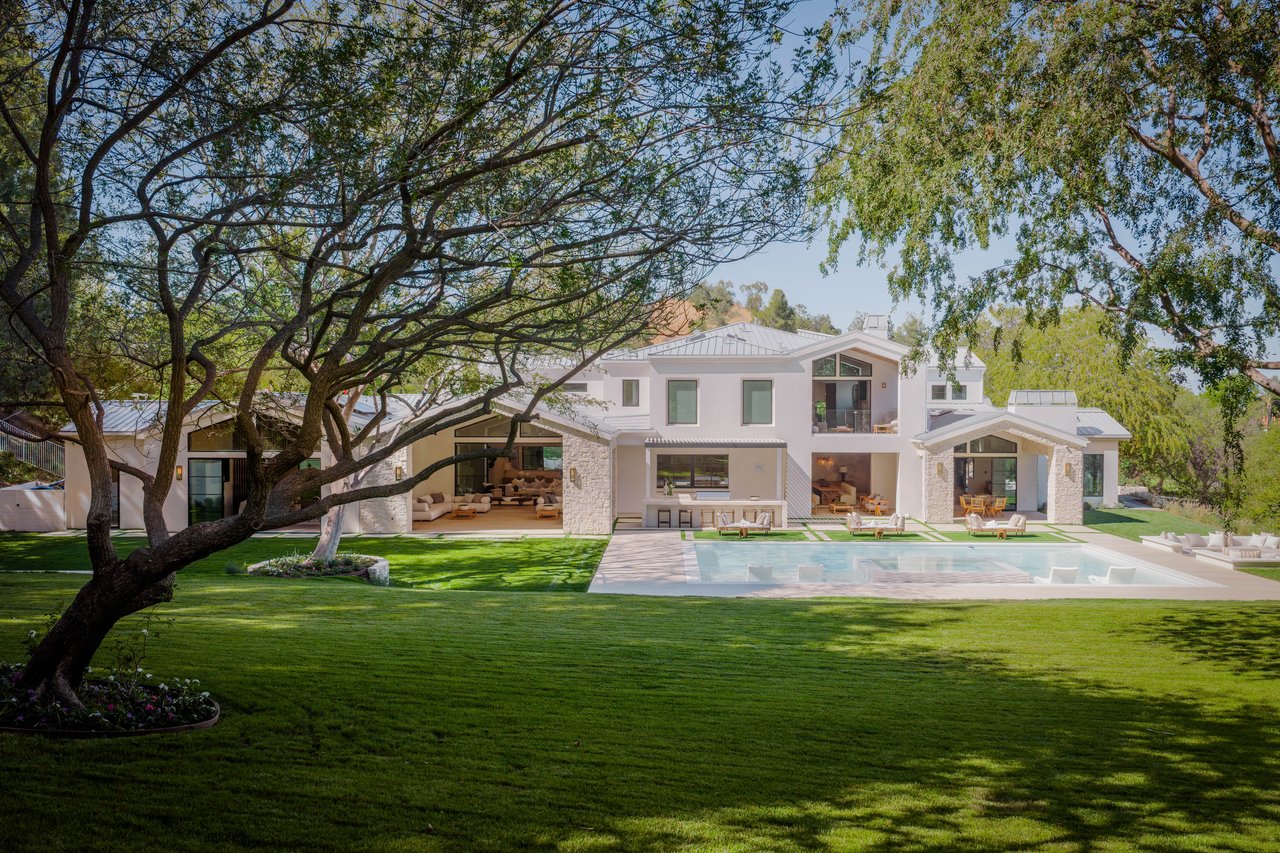
Some properties span dozens of acres and include a main house, guest house, caretaker cottage, studio, barn, corrals, pasture, arena, garden, vineyard, and solar or drought-tolerant features. Others are more moderate in size but still include equestrian amenities like riding arenas, fenced areas, barns, and corrals.
You also see orchard parcels and land with multiple possible homesites. That means ranch living here can take different forms depending on the property, from horse-focused use to hobby farming, orchard management, a retreat-style compound, or a custom home with room to spread out.
What Daily Life Really Looks Like
Ranch living in Upper Ojai usually feels slower, more outdoors-oriented, and more hands-on. When you live on acreage, your routine often includes time spent moving around the property, checking irrigation, maintaining fencing, managing brush, or caring for animals, orchards, or gardens.
Even if your property is not fully agricultural, the scale of the land changes your day. You may be walking between outbuildings, planning maintenance around the seasons, and making more intentional trips into town for errands and supplies.
For many buyers, that is exactly the appeal. You get more privacy, more sky, and more room to actually use the land instead of just looking at it from a patio.
Outdoor Living Is Part of the Routine
Upper Ojai is closely tied to outdoor recreation. Ventura County Parks notes that the Ojai Valley Trail includes an equestrian side, and the Ojai Valley Land Conservancy manages 27 miles of trails that are largely open to hikers, mountain bikers, and equestrians.
That trail access supports the feeling that outdoor space is not separate from everyday life here. It is built into how many residents experience the area, whether that means riding, walking, biking, or simply spending more time outside on their own land.
The rural east end also includes Ojai Valley School’s Upper Campus on 198 acres next to Los Padres National Forest. That is another sign of how strongly the local setting is organized around land, open space, and the outdoors.
Town Still Plays an Important Role
Even with all that open land, Upper Ojai is not cut off. The county notes that the valley shares a common air basin, road system, and water supply, which helps the broader area feel connected.
Downtown Ojai often becomes the small-town counterbalance to ranch life. The city describes Ojai as a community of about 7,400 people known for independent businesses, festivals, a creative culture, and its Mediterranean setting.
For Upper Ojai residents, that usually means home feels quiet and spacious, while town serves as the place for dining, errands, and everyday stops. You are trading a suburban grid for a quieter base with a smaller commercial center nearby.
Water Questions Matter Early
In Upper Ojai, water is not a side question. It is one of the first practical topics you want to understand when evaluating a property.
Casitas Municipal Water District says its district includes Upper Ojai and serves 60,000 to 70,000 people along with hundreds of farms. The Upper Ojai Valley Groundwater Basin also has its own official basin description, and the nearby Ojai Basin is managed under an approved Groundwater Sustainability Plan.
For you as a buyer, the key takeaway is simple: water source, irrigation setup, and well-related questions can matter just as much as the home itself. On a ranch or acreage property, the usability of the land often depends on those details.
Wildfire Readiness Is Part of Ownership
Wildfire preparedness is part of the reality of owning land in this area. Ventura County’s wildfire planning identifies some of the highest concentrations of wildfire risk inland between Santa Paula and Ojai.
That means defensible space and vegetation management are part of the lifestyle, not just a one-time project. If you are considering a ranch property, it helps to think in terms of ongoing stewardship as much as purchase price.
Ventura County Fire also says Fire Safe Councils provide free home wildfire and hardening assessments. For many buyers, this becomes an important part of understanding how to maintain the property responsibly over time.
The Weather Changes the Rhythm
The local climate also plays a big role in how ranch living feels. The City of Ojai describes the valley as Mediterranean, with hot, dry summers, mild winters, and most rainfall arriving between October and April.
That seasonal pattern affects everything from landscaping and irrigation to how the property looks through the year. A ranch can feel especially green in winter and spring, then much drier by late summer.
If you are coming from a more urban or suburban setting, this can be one of the biggest shifts. You become more aware of seasons, rainfall, and land management because the property responds so visibly to the climate.
Privacy and Space Come With Tradeoffs
Compared with more suburban parts of Ventura County, Upper Ojai is more drive-oriented and more self-managed. That is a direct result of the large parcels, rural planning pattern, and smaller-town support system nearby.
For the right buyer, those tradeoffs are worth it. You may spend more time thinking about access, maintenance, water, and fire readiness, but in return you get a setting that offers privacy, open views, and space that can support a fuller outdoor lifestyle.
That is what ranch living in Upper Ojai really feels like. It is not just peaceful or scenic. It is active, grounded, land-connected, and shaped by the practical realities of owning space in a rural part of Southern California.
If you are exploring acreage, equestrian properties, or private compounds in and around Upper Ojai, Frontgate Real Estate can help you navigate the lifestyle details as carefully as the home search itself.
FAQs
What makes Upper Ojai feel more rural than other parts of Ventura County?
- Upper Ojai feels more rural because Ventura County’s planning framework is designed to preserve that character, with larger minimum parcel sizes and limits on expanding more developed land-use patterns into the area.
What types of properties are common in Upper Ojai?
- Upper Ojai properties often include acreage estates, equestrian ranches, orchard land, multi-structure compounds, and custom-build sites with room for agricultural or outdoor use.
What is daily life like on a ranch property in Upper Ojai?
- Daily life often includes more outdoor time and more hands-on property management, such as irrigation, fencing, brush maintenance, garden or orchard work, and trips between the home, outbuildings, and town.
Why is water such an important topic for Upper Ojai properties?
- Water matters because Upper Ojai properties may depend on specific district service, irrigation systems, or basin-related water considerations, which can directly affect how usable and manageable the land is.
How does wildfire risk affect ranch living in Upper Ojai?
- Wildfire risk makes defensible space, vegetation management, and property hardening an important part of ownership, especially for larger parcels in this inland area.
Is Upper Ojai close to shops and restaurants?
- Upper Ojai residents often rely on downtown Ojai for errands, dining, and local services, which gives the area a quiet rural base with a small-town hub nearby.