```html
Before You Make an Offer on a Pasadena Home That’s Been Sitting 60+ Days, Ask These Questions
A longer time on market can signal an opportunity—but it can also reveal something buyers need to understand before they negotiate.
You find a Pasadena home you like online, check the listing history and realize it has been sitting on the market for months.
Your first thought might be: What’s wrong with it? Why hasn’t it sold?
It is a reasonable question. But a longer time on the market does not automatically mean a home has a serious problem.
The property may have been overpriced when it launched. The photography or presentation may have failed to generate interest. A seller may have rejected an early offer they now wish they had accepted. Or the home may simply be competing with more listings than it would have in a different market.
For buyers, an older listing can create an opportunity to negotiate. The important part is understanding why the home is still available before deciding whether you have found an overlooked property—or inherited someone else’s problem.
As of September 2026, Pasadena homes are spending a median of approximately 50 days on the market, according to Realtor.com. A property approaching or exceeding 60 days deserves additional context—but days on market alone do not tell the full story.
More Sellers Are Adjusting Their Expectations
Homes are not disappearing from the market as quickly as they did when buyers had fewer options.
In August 2026, 20.4% of active U.S. listings received a price reduction, according to Realtor.com. The West had an even higher share, with approximately 22% of active listings seeing a price cut.
At the same time, Redfin reported in late August that new listings had reached their highest level in four months while pending sales fell to their lowest level in six months.
Those national numbers do not describe every Pasadena neighborhood, architectural style or price range. A well-positioned home in a sought-after pocket can still attract significant interest, while an overpriced property only a few streets away may sit.
That is why days on market should be treated as a clue, not a conclusion.
Why Hasn’t the Home Sold?
Before writing an offer, try to understand why other buyers have passed—or why a previous transaction failed to close. Most longer-standing listings fall into one or more of the following categories.
The Home Was Overpriced
One of the simplest explanations is that the seller entered the market with a price that buyers were unwilling to support.
Buyers compare every new listing with nearby alternatives. If one property feels expensive for its size, condition, location or amenities, many buyers simply move on. Even after a price reduction, the listing may struggle to regain the momentum it lost during its first few weeks.
The important question is not how far the price has fallen from the original asking price. It is how the current price compares with recent, relevant sales.
The Listing Made a Weak First Impression
Dark photography, cluttered rooms, missing floor plans, poor staging or an incomplete property description can suppress interest even when the home itself is appealing.
Some properties simply show much better in person than they do online. If weak marketing caused buyers to overlook the listing, there may be an opportunity to purchase a good home with less competition.
The Condition Is Limiting the Buyer Pool
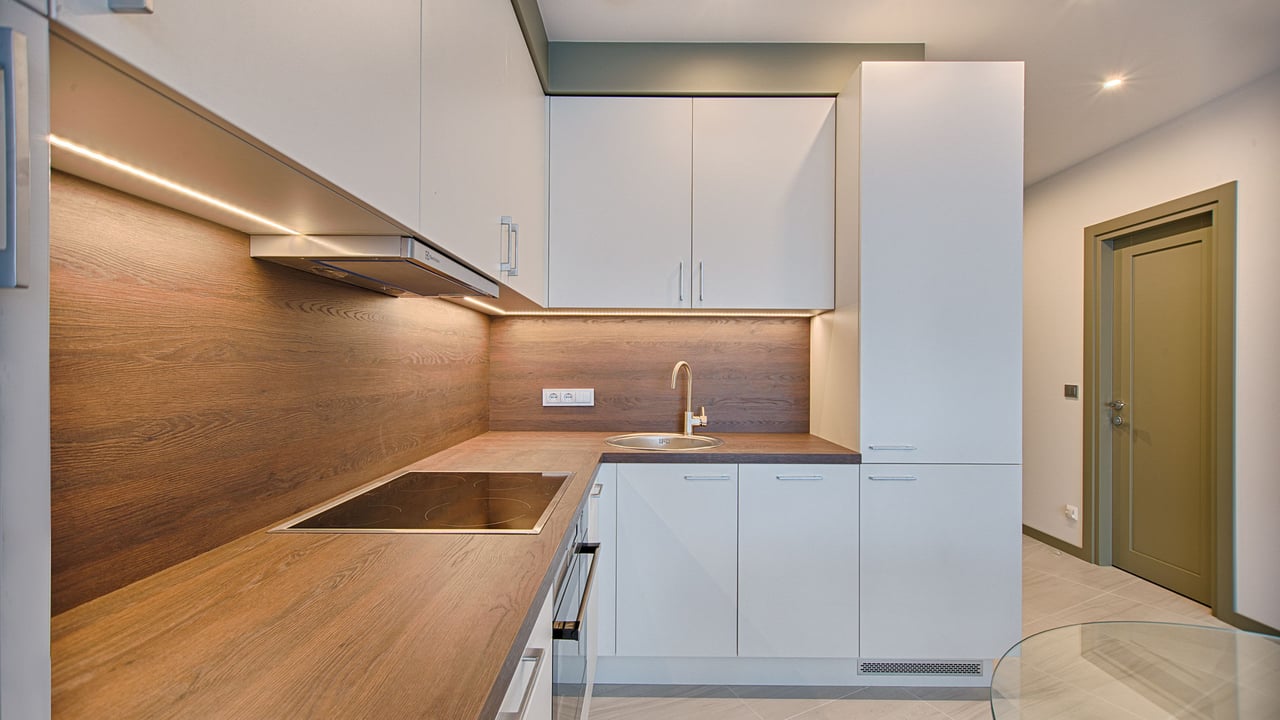
A dated kitchen is very different from an aging roof, active water intrusion, significant electrical work or a foundation concern.
Cosmetic updates can create negotiating room. Larger defects, however, may affect insurance, financing and the true cost of ownership. Review available disclosures, obtain appropriate inspections and collect estimates before deciding whether the price adequately compensates for the work involved.
A Previous Contract Fell Apart
This is one of the areas buyers should investigate carefully. A property returning to the market does not automatically mean something is wrong with the house.
The previous buyer may have experienced a financing issue, changed plans or failed to perform. On the other hand, inspections may have uncovered a material concern.
Ask why the transaction ended and whether inspection reports, disclosures, repair invoices or other relevant information are available. Do not assume the worst—but do not ignore the history either.
The Seller’s Timing Did Not Match the Market
Sometimes, there is nothing inherently wrong with the property. A home may have entered the market during a slower period or at the same time as several competing homes.
The seller may also have specific priorities involving their next purchase, closing date, leaseback or occupancy. Understanding those priorities can sometimes help a buyer create a more compelling offer without simply increasing the purchase price.
Questions to Ask About a Pasadena Listing That Has Been Sitting
The goal is to separate a marketing problem from a property problem—and determine whether the listing history creates meaningful leverage.
A Longer Time on Market Does Not Automatically Mean a Desperate Seller
Time on market can strengthen a buyer’s position, but it does not guarantee that a seller will accept a dramatically lower offer.
Some sellers have substantial equity and no urgent deadline. Others may already be close to the minimum amount they need to make their next move. An aggressive offer with little market support can end a conversation before meaningful negotiations begin.
A stronger strategy is to build an offer around recent comparable sales, the property’s condition, the listing history and the seller’s priorities.
The goal is not simply to make the lowest offer possible. It is to identify where genuine leverage exists and use it intelligently.
Pasadena Real Estate Market — September 2026
Pasadena remains one of Greater Los Angeles’ most distinctive residential markets, combining historic architecture, tree-lined neighborhoods and a strong cultural identity with proximity to Downtown Los Angeles and the San Gabriel Mountains.
But citywide statistics also show why buyers should evaluate each property individually. As of September 2026, Pasadena homes were spending a median of approximately 50 days on the market, according to Realtor.com.
Source: Realtor.com Pasadena Market Overview , September 2026. Citywide figures can vary significantly by neighborhood, price point and property type.
For a buyer considering a Pasadena property that has been available for 60, 75 or even 100 days, that context matters. The listing is sitting longer than the current citywide median—but the opportunity depends on why.
Sometimes the Opportunity Is Hidden in the Listing History
A Pasadena home sitting beyond 60 days should not automatically be dismissed, nor should it automatically be treated as a bargain.
The listing history is simply the beginning of the investigation.
Understanding the original pricing strategy, previous contracts, property condition, comparable sales and seller motivation can reveal whether the extra time on market creates genuine negotiating leverage—or whether there is a reason buyers have continued to pass.
Found a Pasadena Home That Has Been Sitting?
Before deciding how aggressively to negotiate, Rob & Yamel Maynard can help you evaluate the listing history, comparable sales, property condition and seller dynamics to determine where real leverage may exist.
Market data is provided for informational purposes only and reflects citywide trends at the time of publication. Individual properties, neighborhoods and price segments may perform differently. Buyers should independently verify property information and consult the appropriate real estate, inspection, insurance, lending and other professionals as applicable.
```