On a Sunday morning this month, the line outside Max & Helen's wrapped past the flower stand and curled toward the crosswalk, a mix of strollers, dogs on leashes, and neighbors who clearly knew the wait was coming and brought coffee from Go Get 'Em Tiger to get through it. Above the line, the building tops out at two stories, same as every building on that block, same as it has for more than three decades. Larchmont Boulevard has not gained a single story of new construction since the early 1990s. It has, this month alone, gained a diner with an hour-long wait, a Porsche show that shuts the street down at dusk, a 34th annual food festival that drew the mayor, and eight new benches nobody asked the city to approve.
If you live in Hancock Park or Windsor Square and walk this stretch the way most residents do, on foot, on a dog walk, on the way to the farmers market, you have probably felt the boulevard getting busier without being able to say exactly why. The reason has a name, and it explains almost everything else happening on the street this fall.
The Street That Isn't Allowed to Grow Up
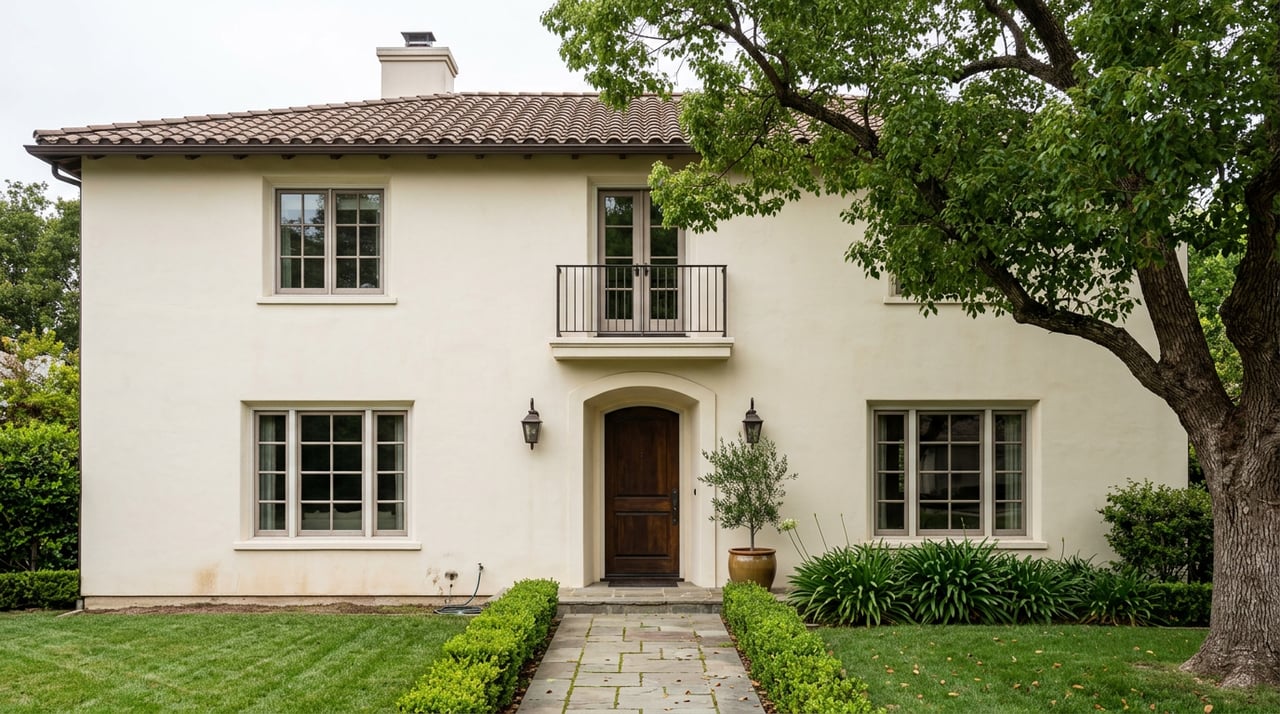
In the early 1990s, a group of Larchmont business owners and residents, including longtime dentist and LBA board member Tim Gogan, pushed through a set of zoning rules known as the Q Qualified Conditions. The conditions capped new construction on Larchmont between Beverly and First at two stories and put limits on the kinds of businesses that could occupy storefronts. Around the same time, then-Councilmember Tom LaBonge worked with LBA leader Joane Pickett on a related set of changes that reduced the maximum allowable height from three stories to two, specifically to protect the residential streets that back up to the boulevard.
Pickett, who opened her clothing store Pickett Fences on Larchmont in 1994, told the Larchmont Buzz that before those changes, the street was a different place entirely.
"At the time, Larchmont was a very sleepy street on Sundays, most stores were closed and the parking lot was always empty."
That same era of civic work also brought the farmers market to the boulevard, along with the landscaped medians and the accessible crosswalks still in use today. The market now runs Wednesdays and Sundays, and Sunday, once the slowest day on the street, is now widely considered the busiest.
The height cap did what it was designed to do. It kept the buildings low and kept Larchmont from turning into another mid-rise retail corridor. What it did not do is stop demand from showing up. Thirty years later, that demand has nowhere to go but sideways, into longer lines, denser programming, and a small-town main street that keeps finding new ways to fill the same square footage.
The Fix Nobody Had to Vote On
The clearest evidence of that sideways growth is not a business. It's a bench.
Starting in 2022, the Larchmont Boulevard Association and the Larchmont Village Business Improvement District installed overhead bistro lights along the boulevard, the first phase of a beautification push that had nothing to do with square footage and everything to do with how the street feels to walk. That project has since grown into the LBA's Legacy Bench program, a slow, family-by-family replacement of the boulevard's old wooden benches with French Blue metal ones, each costing $3,000 and sponsored by a local resident, business, or civic group.
The stories behind the benches read like a short history of who actually lives here. The Swanson family sponsored one in front of their dental practice at 427 N. Larchmont, marking three generations of Swanson dentists who have worked out of that same building since 1946. The Llanos family dedicated a bench outside US Bank in honor of their mother and grandmother, both of whom loved hummingbirds, which happens to be the same bird the LBA was independently considering for its logo at the time. The Carney family placed a bench in memory of Tucker Carney, who died in July, inscribed simply: "Dedicated to Larchmont, Our small town in the big city."
None of this required a permit for a new floor or a variance from the city. It required $3,000 and a family willing to put their name on a piece of the street. That is what growth looks like when the ceiling is fixed at two stories. It gets denser in meaning rather than in mass.
The same instinct showed up last year when the LBA, along with the Windsor Square Neighborhood Association, the Larchmont Village Neighborhood Association, and the Larchmont United Neighborhood Association, organized to defeat a proposed land lease at city parking lot 694, the lot that hosts both the farmers market and the boulevard's biggest annual events. The fight wasn't about height either. It was about protecting the one piece of open ground the street has left.
The Weekend the Street Filled Twice
If you wanted a single week to prove the point, this was it.
On September 14, the boulevard hosted its 34th annual Taste of Larchmont, a fundraiser that sends its proceeds to Hope-Net's twelve food pantries across the Mid City area. Hundreds of residents worked their way up and down the street sampling bites from participating restaurants including Great White, El Cholo, La Bettola Di Terroni, Larchmont Village Wine and Cheese, and Sweet Lady Jane. Mayor Karen Bass, whose official residence sits nearby in Windsor Square, attended alongside CD13 Councilmember Hugo Soto-Martinez, who pulled raffle tickets for prizes donated by local businesses including Flicka, Diptyque, and the Ebell of Los Angeles.
Steve Tator, a 30-year volunteer who has organized the event's restaurant lineup for most of that run, noticed something he hadn't seen before.
"We noticed a lot more baby strollers this year than ever before. It feels like a new generation of residents who didn't know much about it wanted to experience something more about Larchmont."
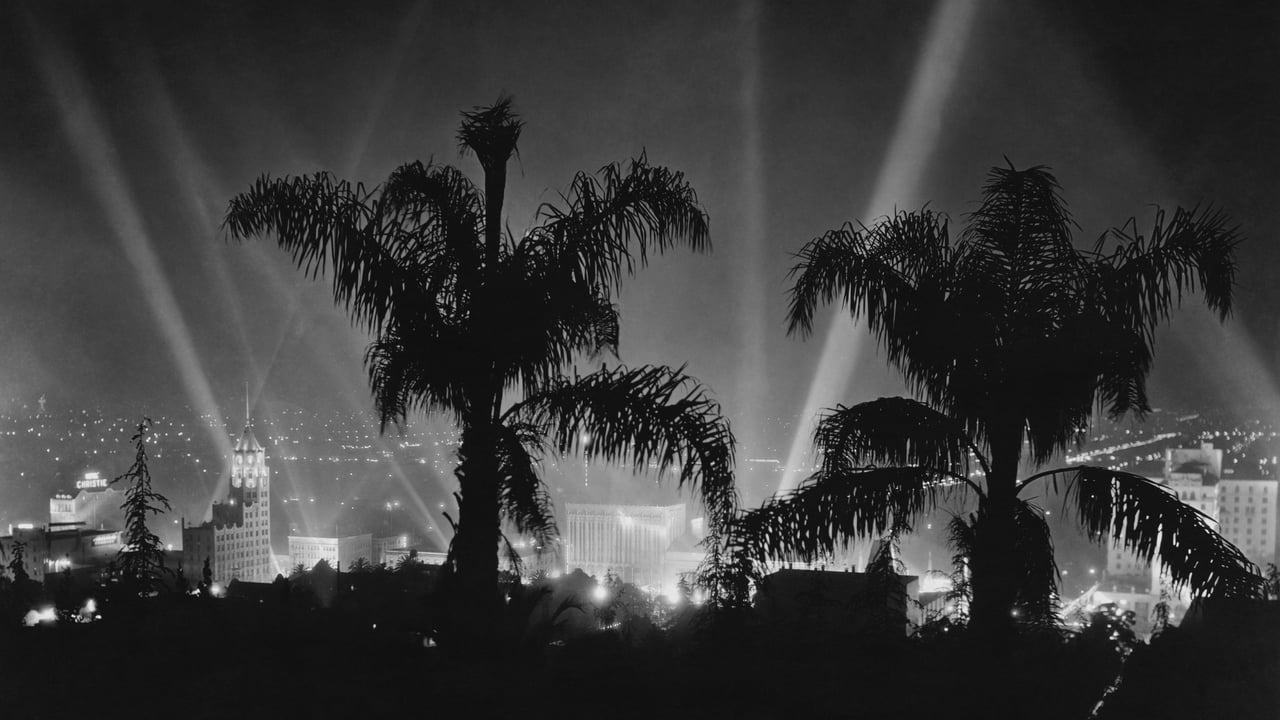
Five days later, on September 19, the same stretch of North Larchmont closes again, this time for Cars Under the Stars, the LBA's first Porsche show, running from 4:30 to 8:30 p.m. on the 500 block between Clinton and Rosewood. LBA president Romi Cortier has been planning the event around a single moment.
"I wanted to create that perfect Los Angeles moment, the Hollywood Sign at dusk, the bistro lights coming on, and these beautiful Porsches lining Larchmont Boulevard."
Ahead of the show, a landscaping crew from Virgo Designs & Landscaping cleared and cleaned the boulevard's median where the cars will be staged, the same company that has been helping the LBA revamp the street's planters and parking lot beds over the past two years. Between the diner line, the food festival, and a car show timed to catch the Hollywood Sign at golden hour, the boulevard has effectively programmed itself twice in a single week, on a street that cannot add a single new storefront to hold any of it.
What a Fixed Ceiling Actually Buys You
None of this is really about restaurants or benches. It's about what a neighborhood does with growth when the easiest outlet, building up, has been off the table for thirty years. Larchmont's answer has been to reinvest in density of experience instead of density of construction. A diner opens in a 35-year-old restaurant space instead of a new build. A car show closes a block instead of adding one. A bench gets a name on it instead of a building getting a third floor.
For anyone who already calls Hancock Park or Windsor Square home, that trade is worth noticing, because it shapes the actual rhythm of living here far more than any zoning document ever will. The wait at Max & Helen's on a Sunday, the crowd at Taste of Larchmont, the closed block for the Porsches, all of it traces back to a decision made three decades ago to keep the street exactly the size it was. What's changed is how much the neighborhood has learned to do with that size.
If you're weighing what a two-story boulevard means for a home a block or two off of it, or you're curious how these small, cumulative changes tend to show up in what a property is actually worth, the team at Frontgate Real Estate has spent years watching this exact stretch of Los Angeles up close. Reach out when you're ready for a conversation grounded in the street itself, not just the listing sheet.