```html
When a Studio City Home Doesn’t Sell Right Away, Buyers Should Pay Attention
An older listing isn’t automatically a red flag—or a bargain. Here’s how to tell what may actually be happening.
You find a Studio City home you like online, check the listing history, and realize it has been on the market for months.
Your first thought might be: What’s wrong with it? Why hasn’t it sold?
It is a reasonable question. But a longer time on the market does not automatically mean there is something seriously wrong with the property.
The home could have started at an ambitious price. The original marketing may not have done it justice. A seller may have rejected an early offer they would reconsider today. A previous transaction may have fallen apart for reasons unrelated to the property. Or the home may simply be competing for attention in a market where buyers have become more selective.
For Studio City buyers, an older listing can sometimes create an interesting opportunity. The key is understanding why the home is still available before deciding whether you have found negotiating leverage or a property with problems you would rather avoid.
Longer Days on Market Can Tell You Something
Homes are not disappearing from the market as quickly as they did when buyers had fewer options and competition was more intense.
But broad housing statistics only tell part of the story. Real estate in Studio City can behave very differently from one property to the next.
A beautifully presented, appropriately priced home in a sought-after pocket—whether south of Ventura Boulevard, near Fryman Canyon, in the Studio City Hills, or within another desirable part of the neighborhood—may generate significant interest relatively quickly.
Another property nearby may remain available much longer because of its price, condition, location, layout, presentation, or simply how it compares with the other homes buyers can choose from.
Days on market should be treated as a clue, not a conclusion.
Why Hasn’t the Studio City Home Sold?
Before writing an offer, try to understand why the property is still available. Most longer-standing listings fall into one or more of a few categories.
The Home Started Too High
The simplest explanation is often pricing.
Buyers do not evaluate a Studio City home in isolation. They compare it with other properties available at a similar price, as well as recently sold homes that establish expectations for value.
If a property feels expensive for its size, condition, location, lot, layout, or level of renovation, buyers may simply move on. Even after a price reduction, the home may continue to carry the effects of an overly ambitious initial launch.
A lower price does not automatically mean a good price. Compare the current asking price with relevant recent sales and competing properties—not simply with where the seller started.
The Listing Made a Weak First Impression
Sometimes the property is better than its marketing.
Dark photography, cluttered rooms, missing floor plans, limited video, an incomplete description, or marketing that fails to communicate the home’s setting and lifestyle can reduce interest before buyers ever step through the door.
This can be particularly important in Studio City, where two homes with similar square footage can offer very different experiences.
A property’s architecture, views, privacy, indoor-outdoor living, proximity to Ventura Boulevard, hillside setting, lot, renovation quality, or neighborhood character may be a meaningful part of its value. If those qualities were not communicated well online, buyers may simply have overlooked the property.
Sometimes a good home receives less attention simply because it did not make a strong digital first impression.
For an informed buyer, weak positioning or presentation can occasionally mean less competition for a property that deserves a closer look.
The Condition Is Limiting the Buyer Pool
There is an important difference between a dated kitchen and a property with larger structural or maintenance concerns.
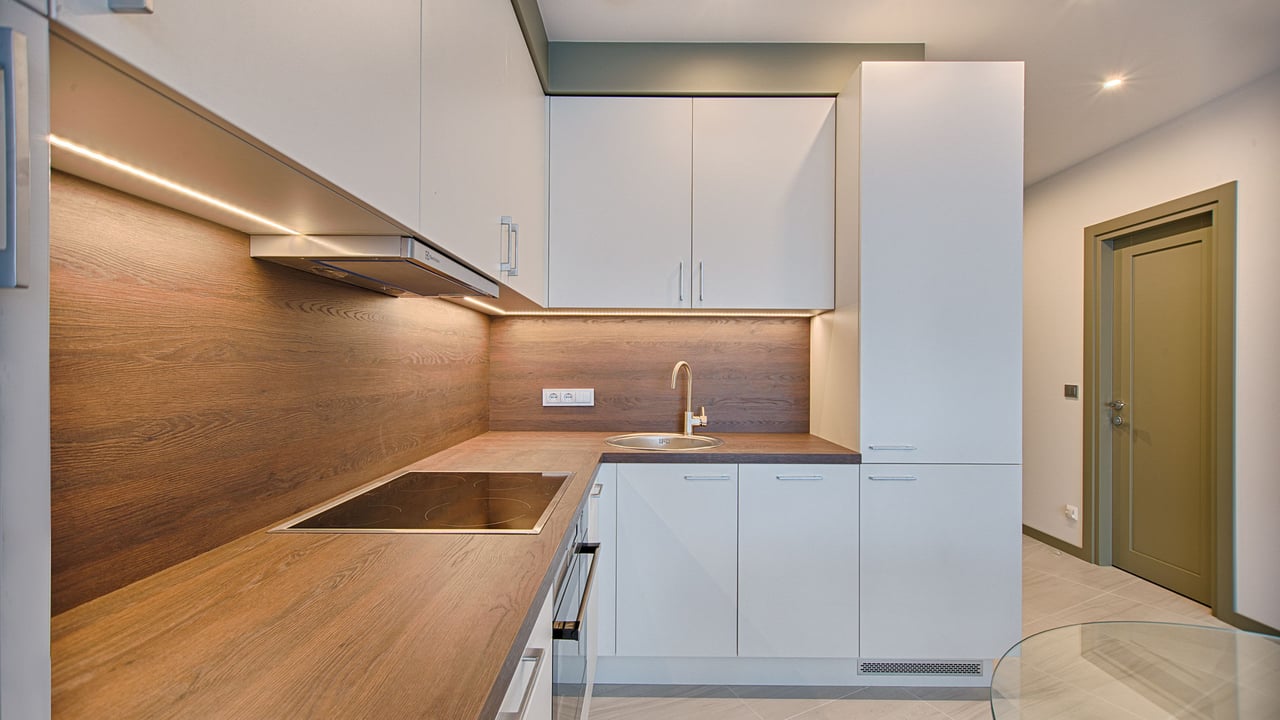
Cosmetic updates may give buyers room to negotiate and create an opportunity to personalize a home after closing.
An aging roof, drainage concerns, active water intrusion, foundation issues, major systems nearing the end of their useful life, or other substantial repairs require a different analysis. Review available disclosures carefully, conduct appropriate inspections, and obtain professional estimates when necessary before deciding whether the price adequately accounts for the work.
A Previous Contract Fell Apart
Seeing that a Studio City property was previously under contract and then returned to the market can immediately raise questions.
But a canceled transaction does not automatically mean there is something wrong with the house. The previous buyer may have encountered financing issues, changed plans, failed to sell another property, or simply decided not to proceed.
Alternatively, an inspection or disclosure may have revealed something that influenced the transaction.
- Why did the previous transaction end?
- Were inspections completed?
- Are reports available?
- Were repair requests made?
- Did the seller complete any work afterward?
The Seller’s Timing Did Not Match the Market
Sometimes the property itself is not the problem. The home may have launched during a slower period, entered the market alongside several competing properties, or simply missed the strongest initial group of buyers.
The seller may also have circumstances involving another purchase, a preferred closing date, occupancy after closing, or another timing consideration. Understanding those priorities can be valuable because negotiation is not always exclusively about price.
Questions to Ask Before Making an Offer on an Older Studio City Listing
Before deciding that a property is either a bargain or a red flag, investigate the story behind the listing.
- How long has the property actually been available, including previous listing periods?
- Has the asking price changed? If so, when and by how much?
- Was the property previously under contract?
- Why did any previous transaction fall apart?
- Are disclosures, inspection reports, permits, or repair invoices available?
- Are there known insurance or financing concerns?
- How does the current asking price compare with recent Studio City sales?
- What competing properties can you buy for a similar amount?
- What repairs or improvements might you face during your first year of ownership?
- Has buyer feedback revealed a consistent concern?
- Does the seller have a preferred closing date, leaseback request, or another priority?
The answers can help distinguish between a marketing problem, a pricing problem, and a property problem.
An Older Listing Isn’t Automatically a Desperate Seller
A longer time on market can strengthen a buyer’s negotiating position, but it does not guarantee that the seller will accept a substantially lower offer.
Some sellers have considerable equity and little urgency. Others may already have reduced their price to a point they consider their minimum.
Rather than choosing an offer price simply because the property has been sitting, build the offer around market evidence, property condition, competition, and whatever you can learn about the seller’s priorities.
The Opportunity May Be in What Other Buyers Overlooked
One of the more interesting things about an older listing is that the underlying problem may not always be the home itself. Sometimes it is how the home was positioned.
A property may have been difficult to discover online. The photography may have undersold it. The listing description may have failed to communicate an important feature. Its initial pricing may have caused buyers to dismiss it before a later adjustment.
Or the property may simply require a buyer who understands what they are looking at.
That is why Rob and Yamel Maynard look beyond the days-on-market number when helping buyers evaluate Studio City homes.
The more useful question is not simply:
“Why hasn’t anyone bought this?”
It is:
“What does the history of this listing tell us about the property, its value, and our position as a buyer?”
Buying in Studio City Is Highly Property-Specific
Studio City is a market where location within the neighborhood matters.
Homes south of Ventura Boulevard, properties near Fryman Canyon, hillside residences, larger lots, renovated homes, and properties offering privacy or strong indoor-outdoor living can appeal to buyers for very different reasons.
That makes broad market statistics useful for context, but they should not determine what you offer on an individual property. A home that has been available for 60 days should be evaluated against the properties that genuinely compete with it—not simply against a neighborhood-wide median.
Look at the Story Behind the Listing
If you find a Studio City property you love and notice it has been sitting for weeks or months, do not automatically walk away.
But do not automatically assume you have found a bargain either.
Investigate the listing history. Understand the comparable sales. Read the disclosures. Look closely at condition. Find out what happened with previous offers or contracts when that information is available. Then determine what the property is worth to the current market and to you.
A longer time on market may give you leverage.
Knowing why the home has been sitting tells you how to use it.
Considering a Studio City Home That’s Been on the Market for a While?
Rob and Yamel help buyers look beyond the listing price and days-on-market number to understand the full story behind a property. From recent Studio City sales and competing inventory to property condition, listing history, and negotiation strategy, they can help you determine what questions to ask before you write an offer.
```