MARKET INTELLIGENCE / ZILLOW UNLOCKED 2026
2027 Housing Market Forecast: What Zillow Unlocked Means for Buyers, Sellers and Homeowners
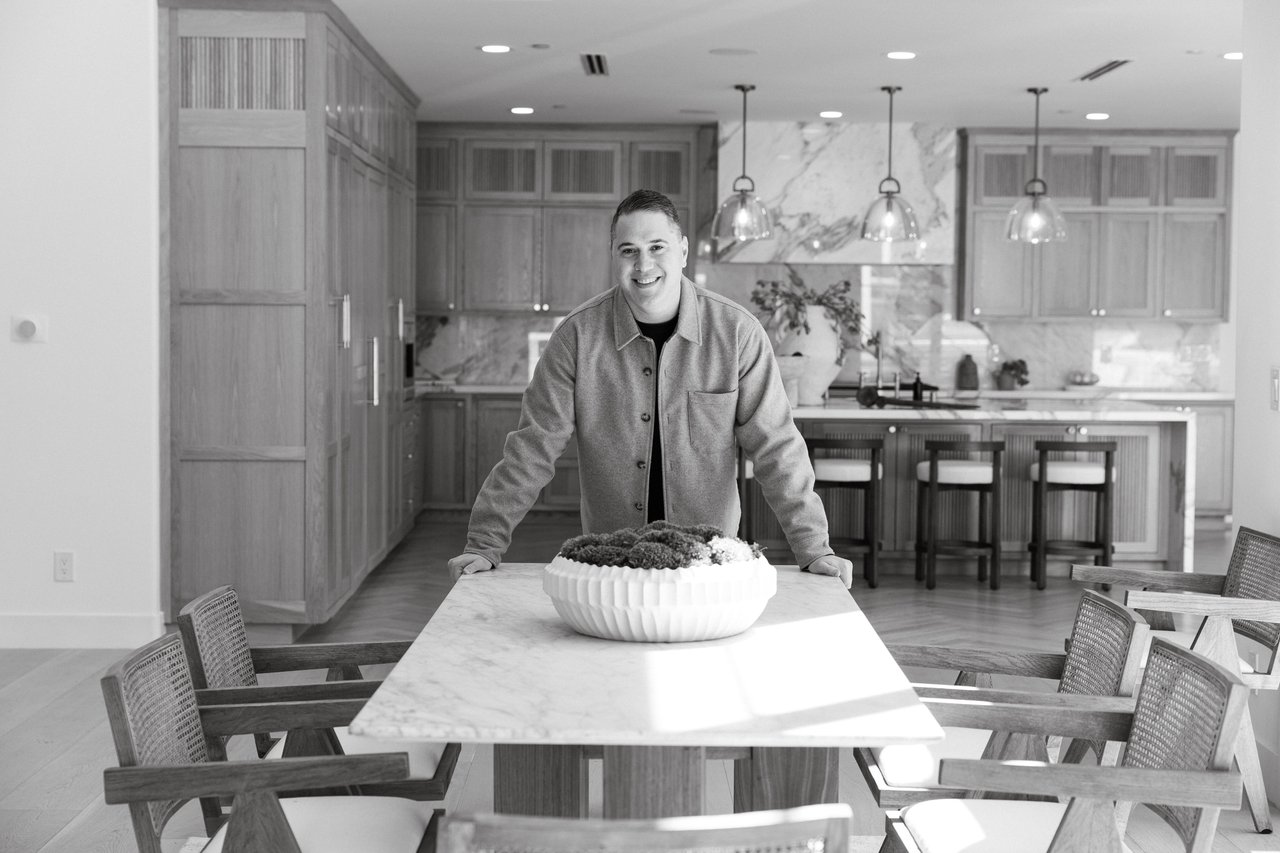
Frontgate founder Jeff Biebuyck attended Zillow Unlocked and brought back a clear message: the next real estate market may be less about waiting for a dramatic reset and more about understanding the new math.
BY JEFF BIEBUYCK | FRONTGATE REAL ESTATE AT COMPASS | OCTOBER 14, 2026
What should homeowners, buyers and sellers expect from the real estate market as we head into 2027?
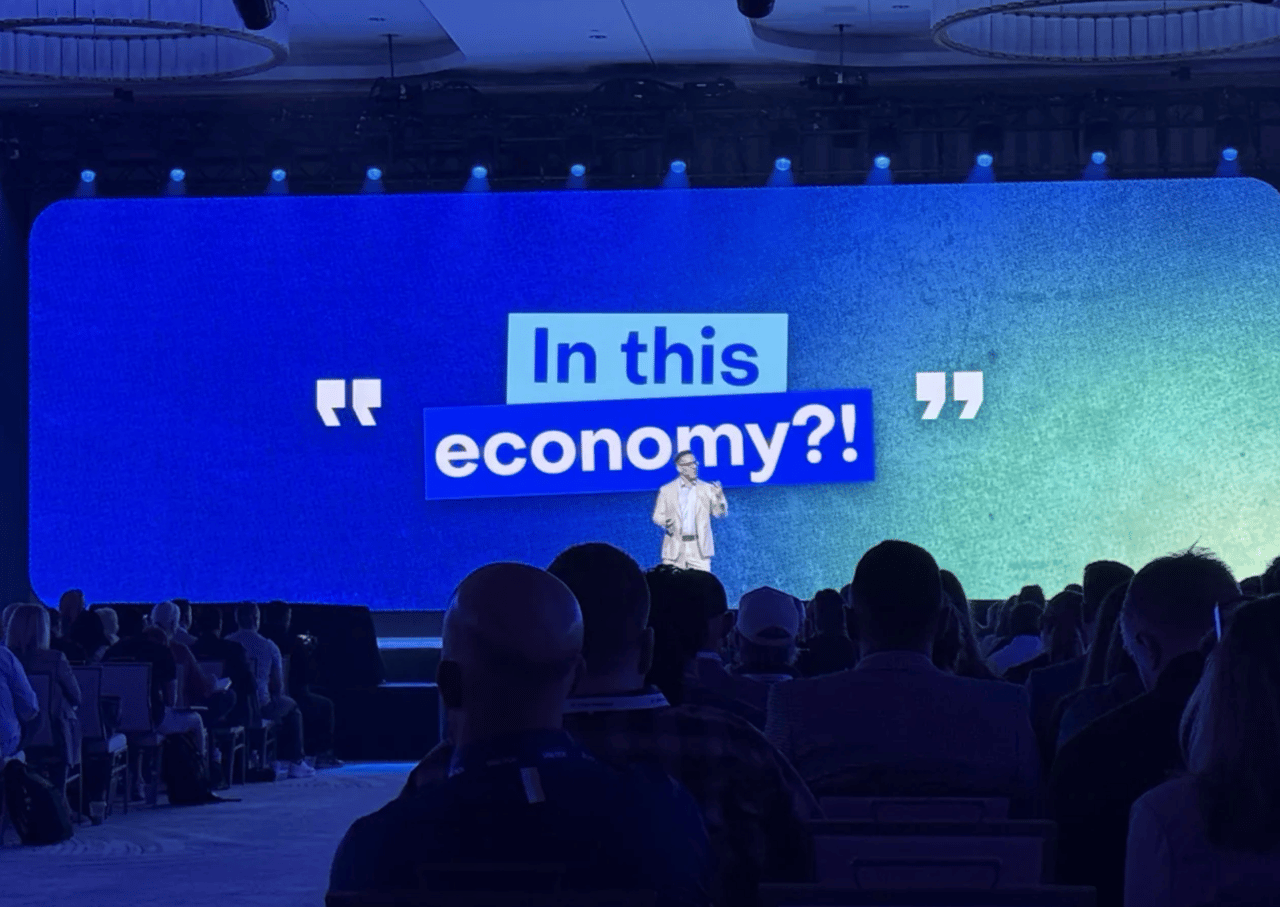
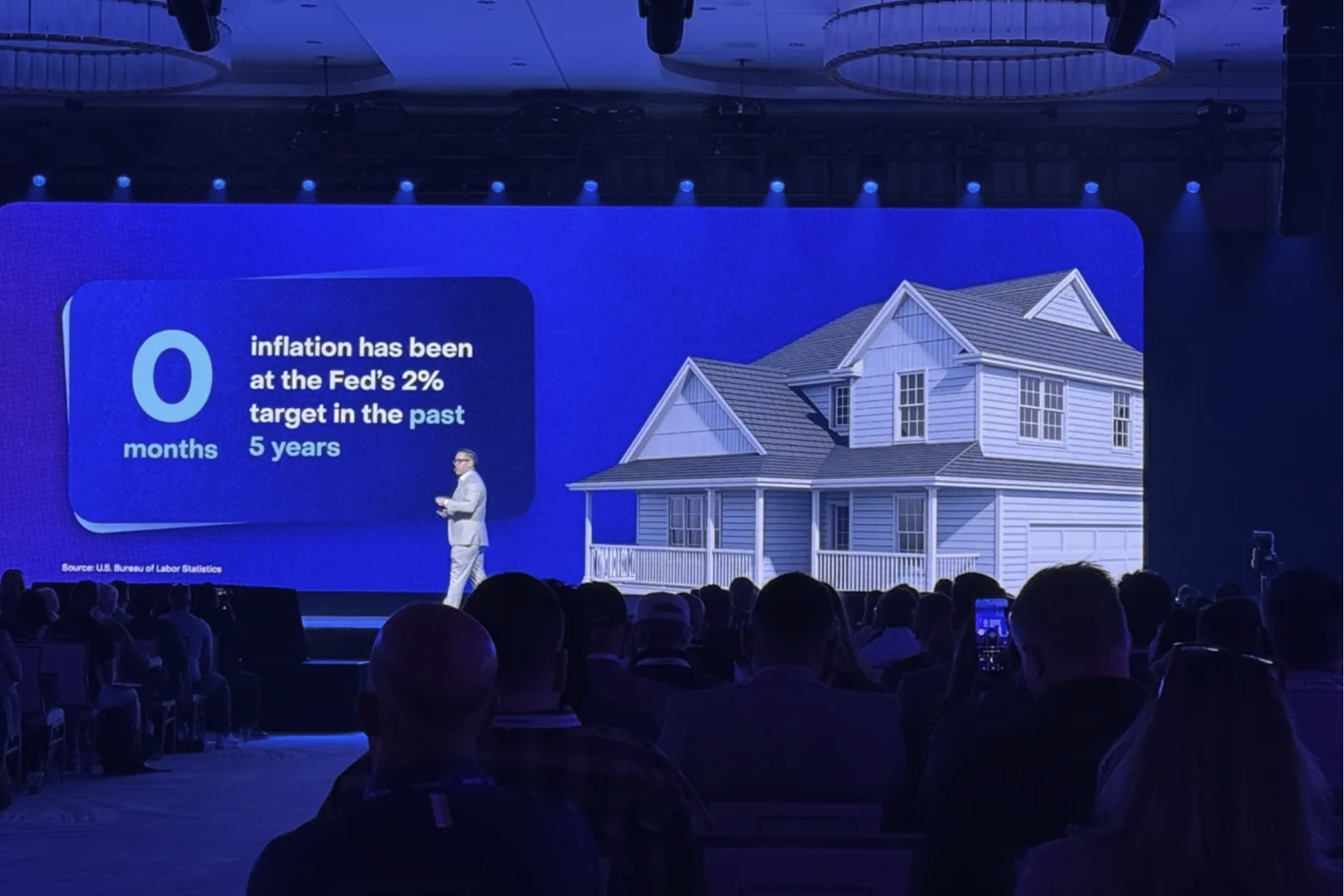
I recently attended Zillow Unlocked, where Zillow shared its latest housing-market research, consumer behavior data and outlook for real estate. What stood out wasn't a prediction of a dramatic housing boom or crash. It was something more useful.
The market appears to be entering a period where strategy may matter more than momentum.
Zillow's presentation pointed toward mortgage rates remaining elevated but becoming more manageable, modest home-price appreciation, restrained transaction volume and a large group of potential buyers who have not disappeared. Many are simply waiting.
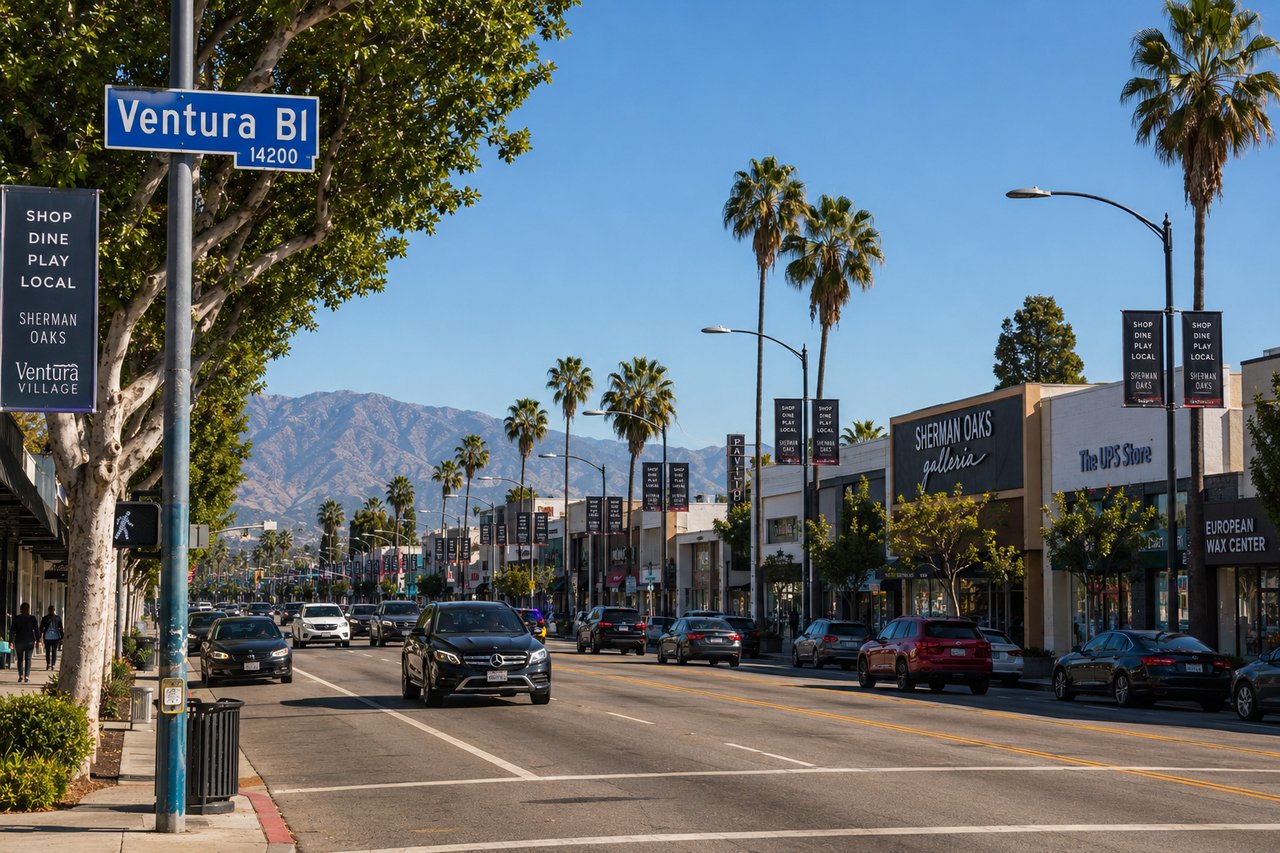
For homeowners in Los Angeles, the San Fernando Valley, Calabasas, Hidden Hills, Conejo Valley and surrounding Southern California communities, the national forecast provides context. But what happens in your individual neighborhood matters much more.
Zillow's 2027 real estate forecast
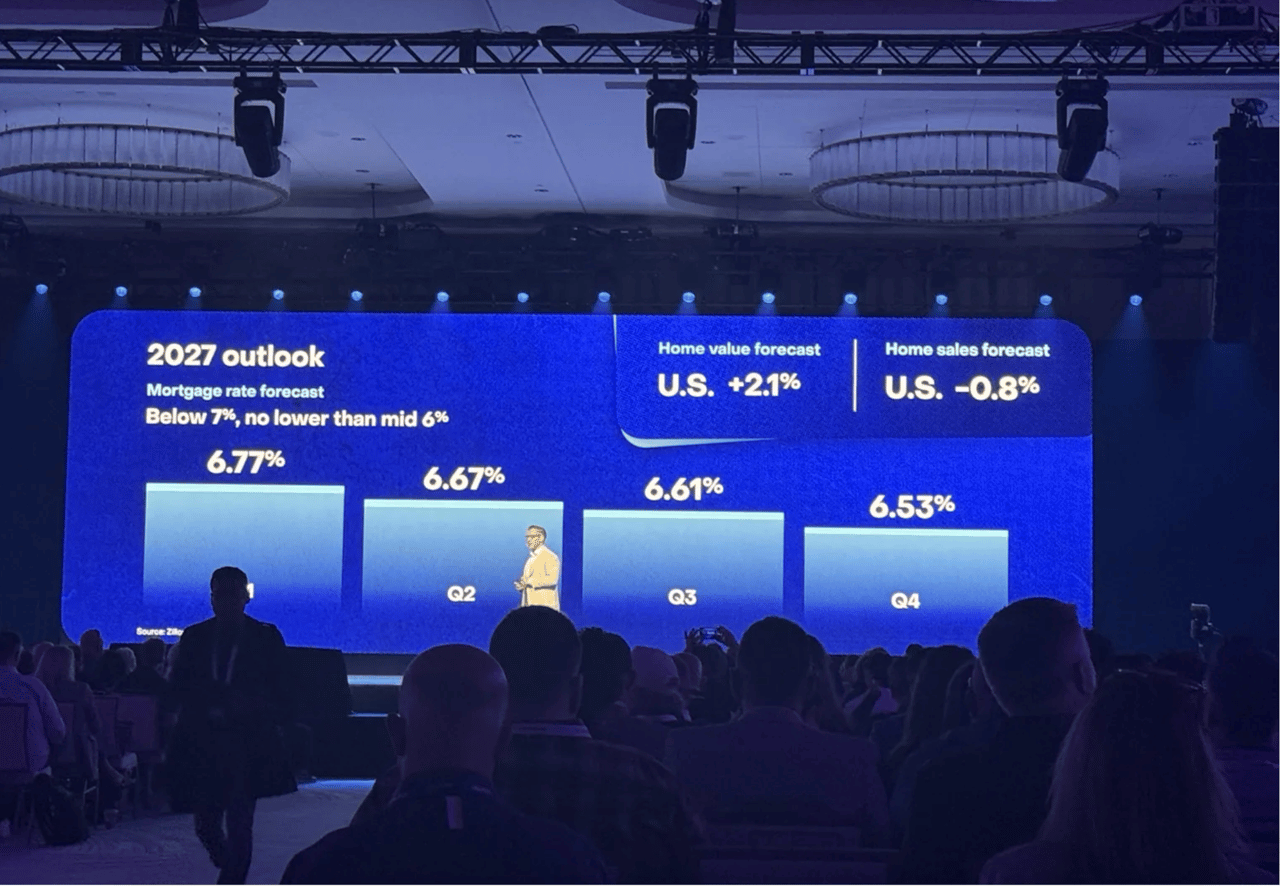
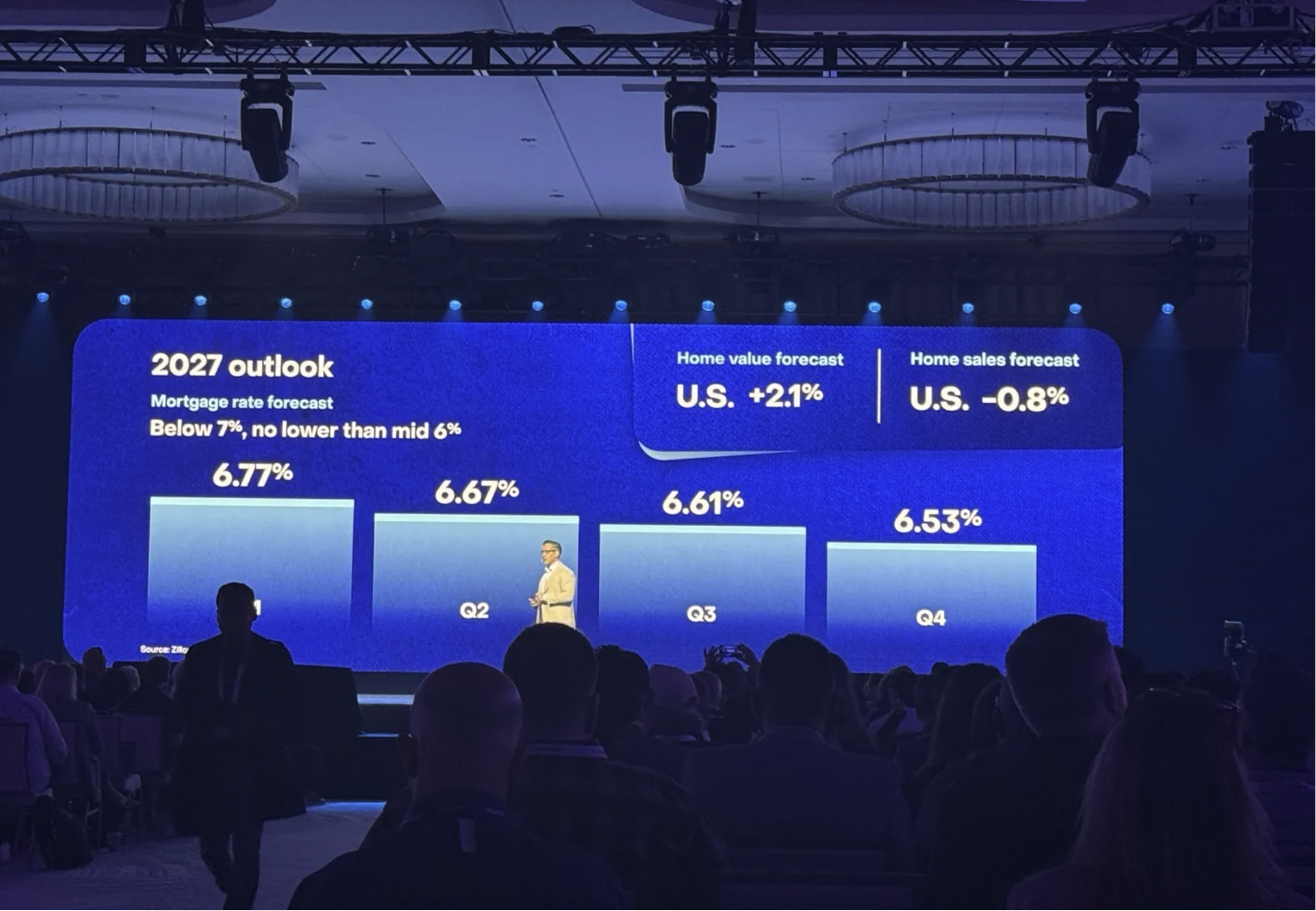
One of the clearest forecast slides at Zillow Unlocked highlighted three numbers that frame the year ahead:
Mid-6%
Mortgage-rate range by late 2027
+2.1%
U.S. home-value forecast
-0.8%
U.S. home-sales forecast
That combination is important. It suggests a market where property values can remain relatively stable even while fewer homes change hands.
Lower transaction volume does not automatically equal dramatically lower prices.

The mortgage-rate lock-in effect is still shaping real estate
Millions of homeowners purchased or refinanced when mortgage rates were extraordinarily low. For someone with a mortgage near 3%, selling and replacing that financing with a rate in the 6% range can dramatically change the monthly payment.
So many homeowners simply aren't moving. That reduces inventory, and reduced inventory can support home values even when buyer demand cools.
This is one reason today's market doesn't always behave like a traditional buyer's market or seller's market. In Southern California, it is increasingly a micro-market.
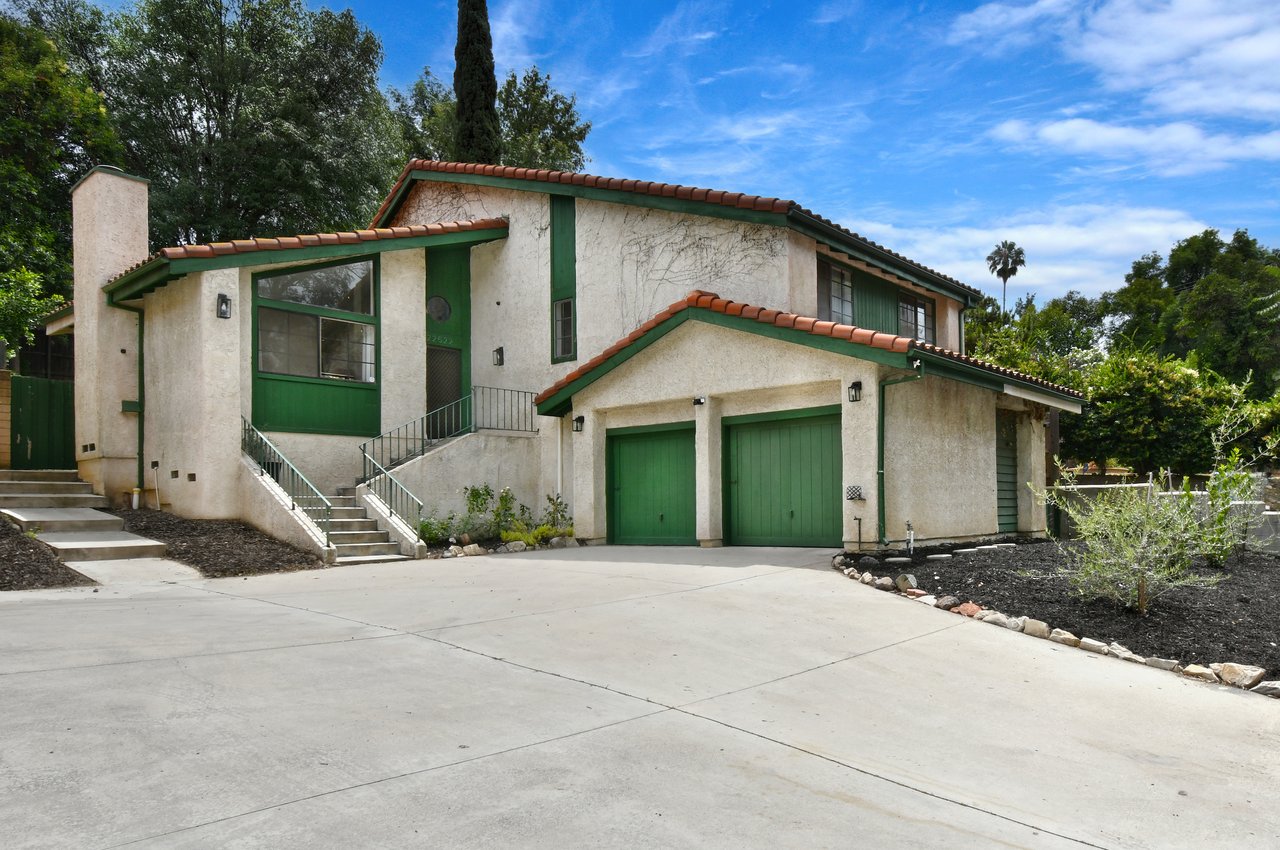
One street can behave differently from the next. One price point can move quickly while homes a million dollars higher sit. And one beautifully positioned property can create urgency while another nearby listing struggles for attention.
Buying versus renting is becoming a more interesting equation
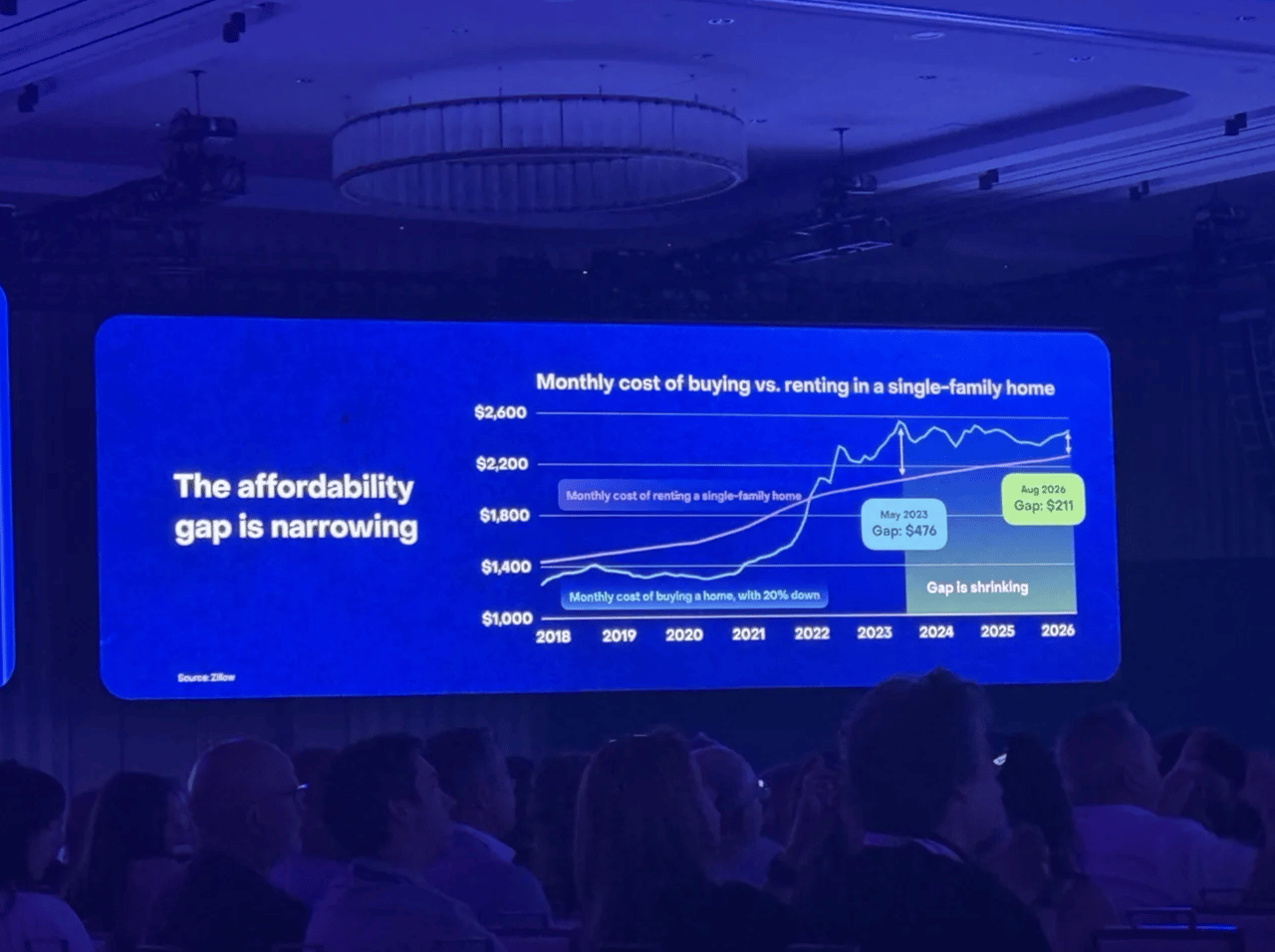
For several years, rapidly rising mortgage rates made purchasing significantly more expensive than renting. Zillow's presentation showed that gap beginning to narrow.
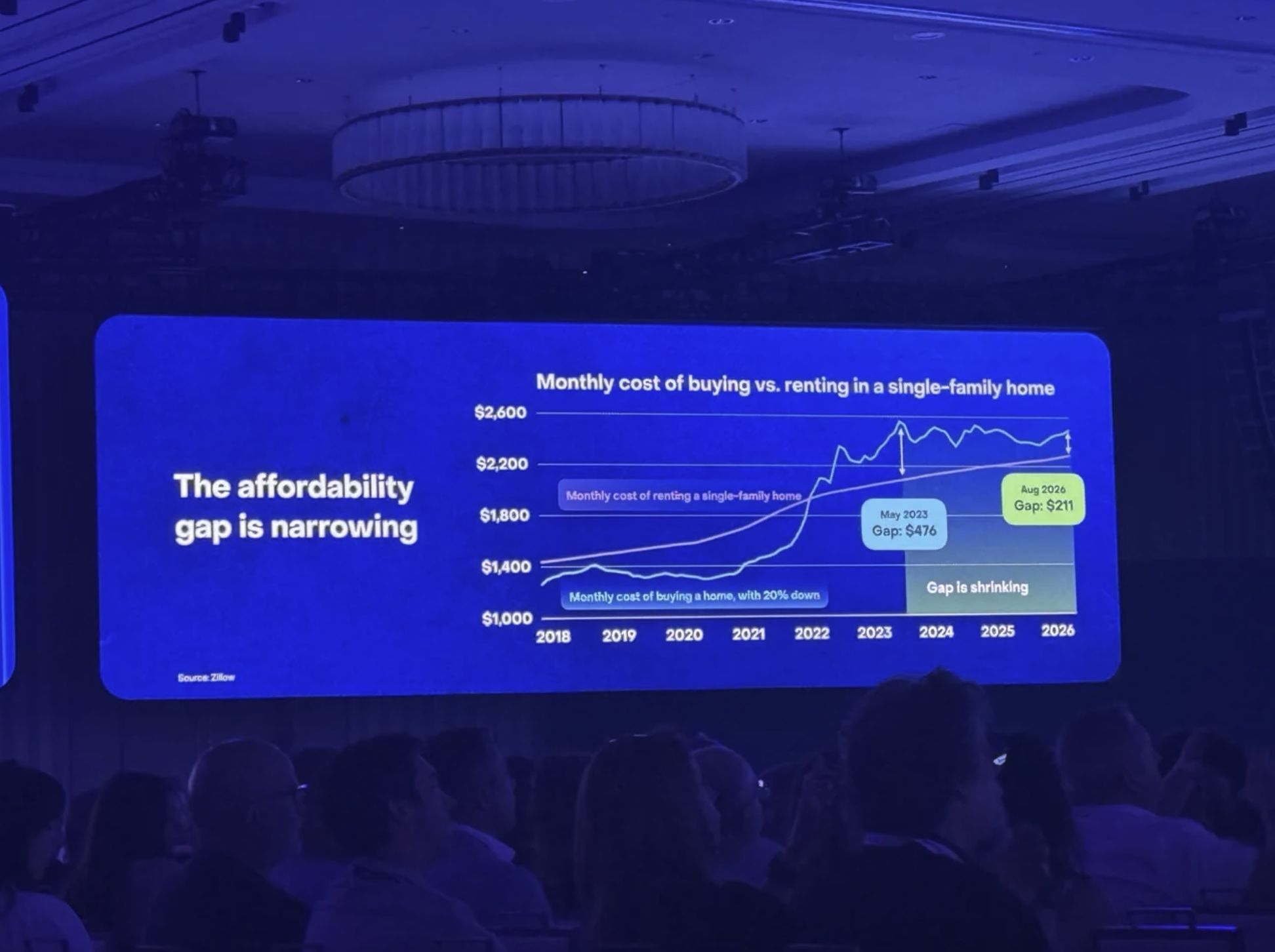
That does not suddenly make buying inexpensive. Instead, it means renters are increasingly comparing two costly alternatives: continue paying rent, or purchase a home, lock in housing costs and begin building equity.
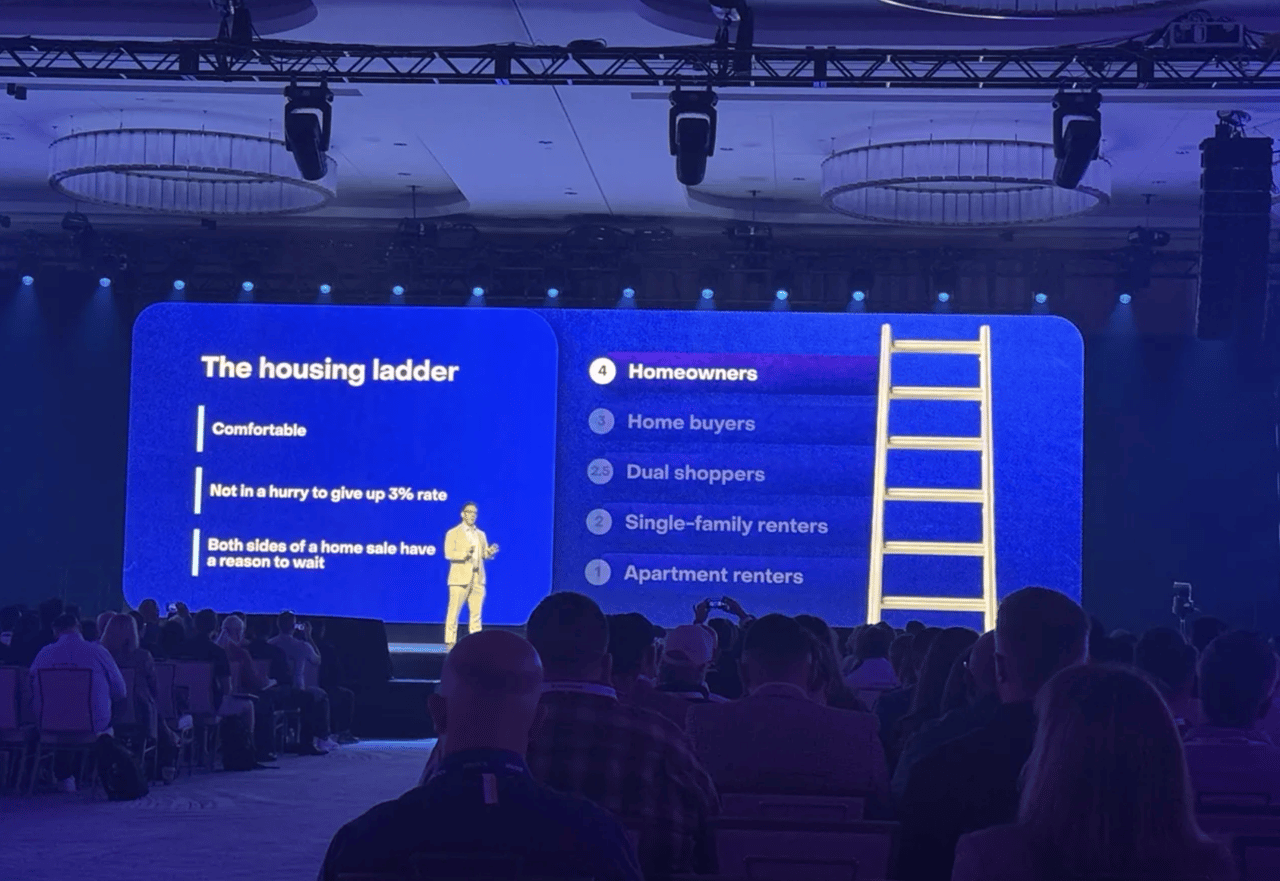
This is creating a particularly important group of consumers Zillow described as dual shoppers, people actively comparing rentals with homes for sale.
They have not necessarily decided not to buy. Many are simply waiting for the financial equation to make enough sense.
The housing ladder explains where future buyers may come from
One of the most useful concepts from Zillow Unlocked was the housing ladder. Consumers tend to move through stages: apartment renter, single-family renter, rent-versus-buy shopper, home buyer and finally homeowner.
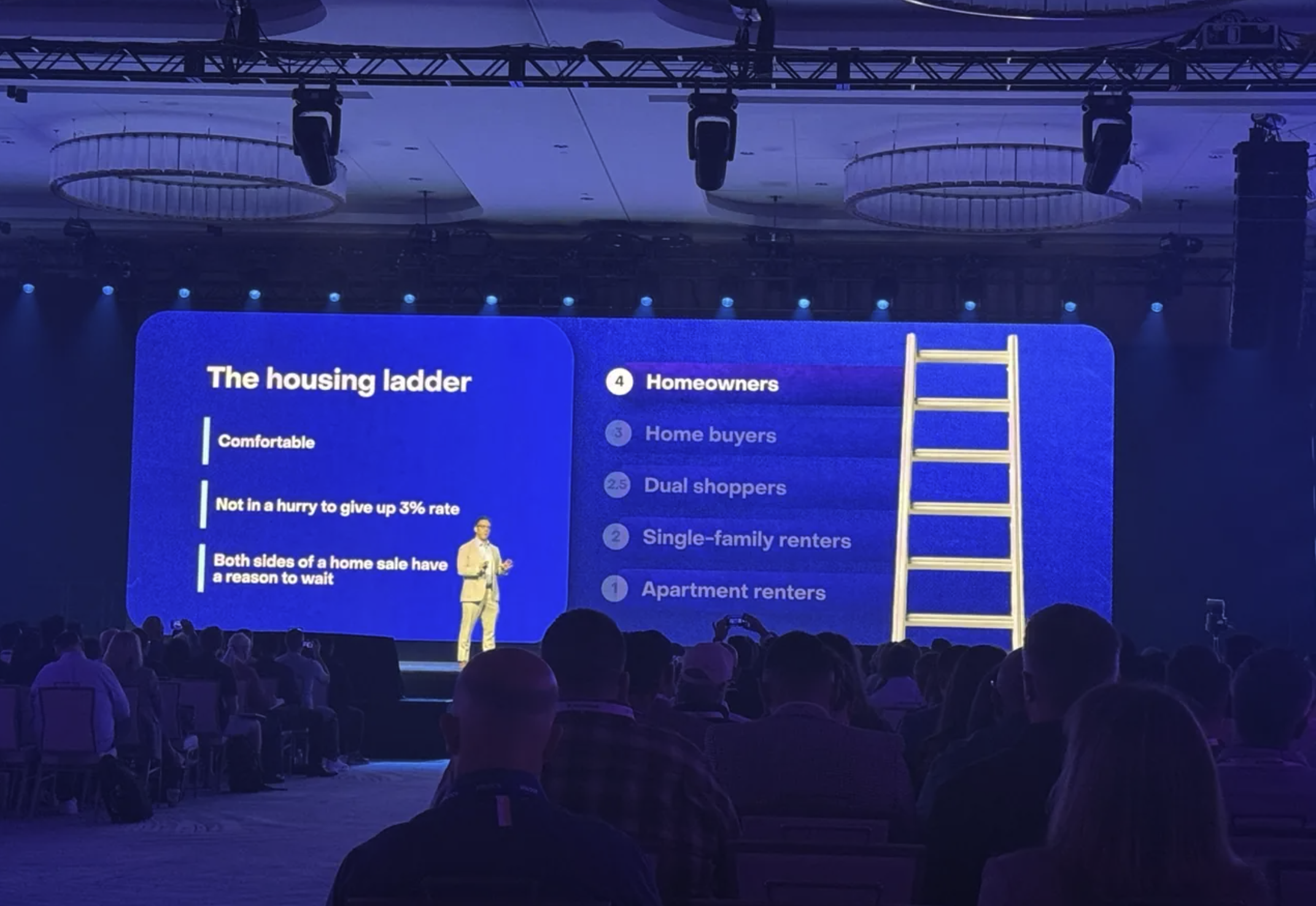
What makes today's market interesting is how many people appear to be sitting somewhere in the middle. They're watching listings, calculating payments, following mortgage rates and waiting.
That creates something potentially powerful: pent-up demand.
Mortgage rates don't necessarily have to return to 3% for those buyers to enter the market. The affordability equation simply has to become good enough.
Why haven't home prices collapsed?
Mortgage rates rose dramatically. Affordability became more difficult. Sales slowed. Yet home prices in many desirable Southern California neighborhoods remained surprisingly resilient.
The answer largely comes down to supply and demand.
Buyers have affordability challenges, but sellers face affordability challenges too. A homeowner selling a property with an inexpensive mortgage may have to purchase another property at today's rate.
So they don't sell. The result can be fewer buyers and fewer sellers at the same time, producing fewer transactions without necessarily creating the flood of inventory normally associated with a major decline in prices.
What this means for Los Angeles and Southern California
National averages become less useful as you zoom into Southern California. They become even less useful in the luxury market.
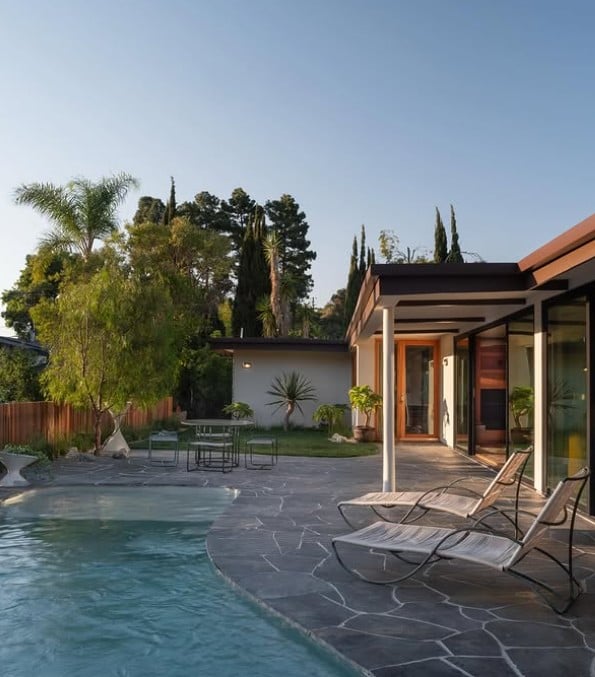
A home in Hidden Hills is not competing with the United States housing market. It is competing with a relatively small group of properties a qualified buyer might realistically choose instead.
Buyers evaluate things national housing statistics cannot measure particularly well: lot quality, privacy, views, renovation level, architecture, schools, community amenities, replacement cost and location within the neighborhood.
That's why two homes with similar square footage can sell for dramatically different amounts. Real estate becomes increasingly hyperlocal as the price rises.
Buyers may have more negotiating power than the headlines suggest
For buyers, one of the biggest opportunities in today's market isn't necessarily price. It's terms.
In a slower transaction environment, sellers may become more willing to consider seller credits, rate buydowns, repairs, closing-cost assistance, contingencies, flexible timing or strategic price adjustments.
A buyer waiting exclusively for mortgage rates to fall may miss an opportunity to negotiate a substantially better transaction today. And if rates fall enough to pull more buyers off the sidelines, financing may become cheaper while competition becomes harder.

Sellers need to understand the new pricing game
Today's market rewards accuracy. The strategy of listing high “to see what happens” has become increasingly risky.
Buyers receive instant listing alerts. They can compare price history. They can see how long a property has been on the market. And they notice price reductions.
The first few weeks of market exposure are incredibly important. A correctly positioned home can create urgency. An overpriced home can create hesitation.
The luxury market is becoming increasingly property-specific
At the higher end of the market, broad housing statistics can sometimes become more distracting than helpful.
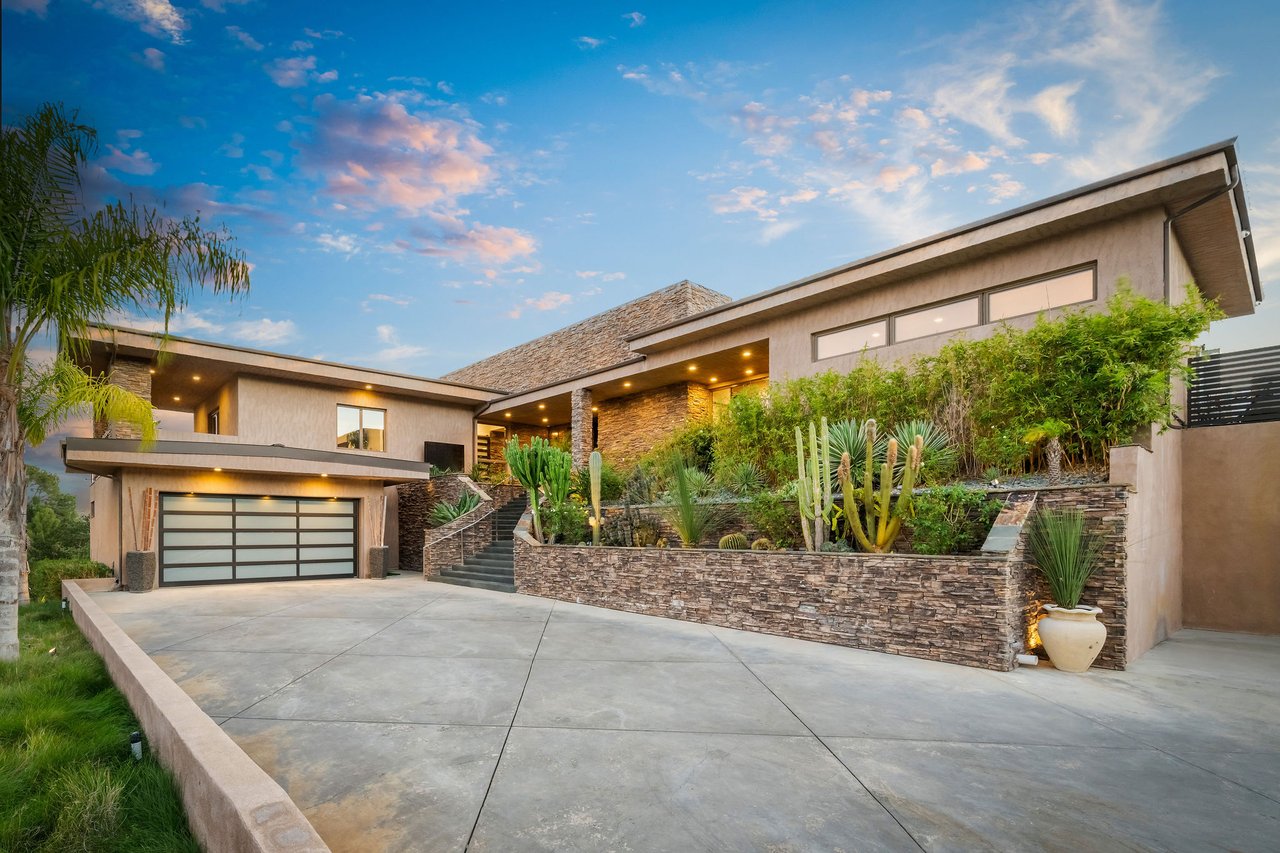
A $7 million property in Hidden Hills may be influenced more by five genuinely comparable properties than by an entire year's worth of national housing data.
Luxury buyers are not simply buying square footage. They are buying scarcity, privacy, architecture, location, lifestyle and increasingly, time. A truly turnkey property can command a premium because the buyer does not have to spend years designing, permitting and building what they actually want.
The biggest 2027 opportunity may be sitting on the sidelines
Perhaps the most important takeaway from Zillow Unlocked isn't about mortgage rates or price forecasts. It's about people.
There is a large population of would-be buyers who haven't disappeared. They've delayed their purchase. They're renting, watching, saving and waiting for the right combination of price, payment, inventory and life circumstances.

People get married. Families grow. Jobs change. Children leave home. Parents age. People inherit property. They relocate. They decide they want a yard, another bedroom, a different school district or a completely different lifestyle.
Real estate doesn't stop because interest rates are inconvenient. Sometimes it simply pauses.
Our outlook heading into 2027
The next phase of the real estate market may be very different from the frenzy of 2020 through 2022. That isn't necessarily bad.
Instead of relying on rapidly rising prices, the next market could reward people who understand the numbers and make better decisions.
Buyers need to evaluate the entire transaction, not simply the mortgage rate. Sellers need to understand pricing, positioning and buyer psychology. Homeowners need to follow their specific neighborhood rather than national headlines.
The market isn't necessarily waiting for something dramatic to happen. It's adjusting. And those adjustments create opportunities for people who understand what's changing before everyone else does.
Frequently asked questions
Will home prices fall in 2027?
The forecast presented at Zillow Unlocked pointed to approximately 2.1% national home-value growth in 2027, suggesting modest appreciation nationally rather than a broad price collapse. Local markets can behave very differently.
Will mortgage rates go down in 2027?
The Zillow presentation forecast rates remaining below 7% and moving toward the mid-6% range by late 2027. Economic conditions can change any forecast.
Should buyers wait for lower mortgage rates?
Rate direction is only one part of the decision. Lower rates can improve affordability but can also bring more competition. The better question is whether the price, payment, terms and specific property make sense for your goals.
Why should homeowners follow their own neighborhood?
Because national data cannot account for the exact comparable sales, inventory, buyer demand, property condition, lot quality, location and amenities that determine value around a specific home.
Sources & further research
Jeff's observations in this article are informed by the Zillow Unlocked presentation and Zillow's public research resources. Forecasts are estimates and can change as economic conditions change.
Zillow Research · Zillow Housing Data Dashboards · Frontgate Home Valuation