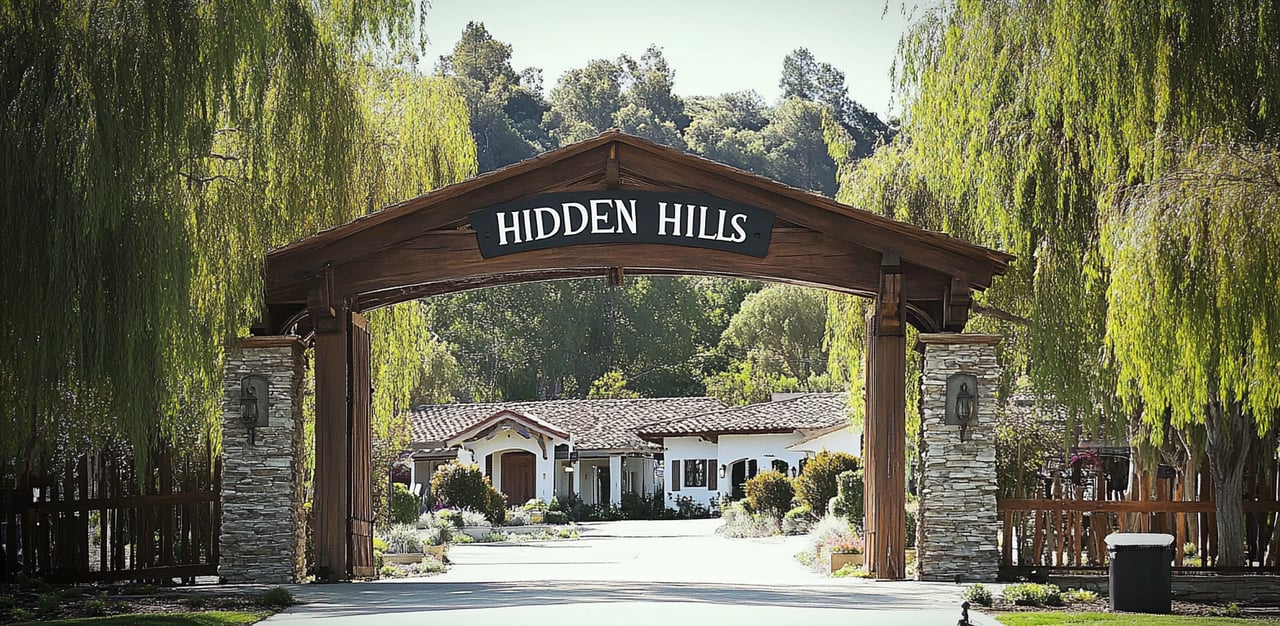
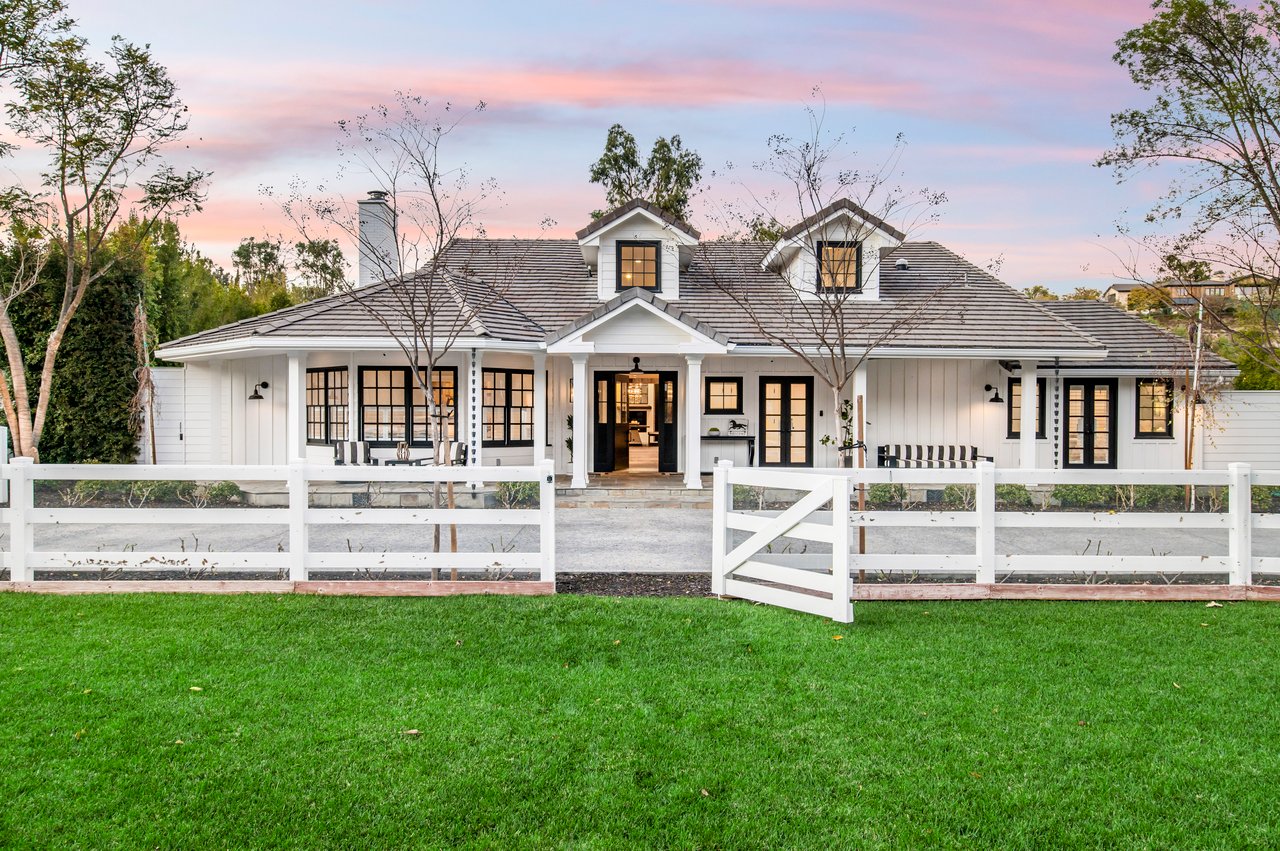
Try to tour a home in Hidden Hills on a Sunday afternoon and you'll hit a wall before you hit the driveway. The Hidden Hills Community Association bans open houses outright. Agents showing up at the gate have to present a valid California license or be admitted by a resident, guest list and all. There is no wandering in.
Drive twenty minutes northwest into Hidden Valley, in unincorporated Ventura County, and there's no gate to stop at in the first place. No guard booth, no resident sign-in, no association enforcing who gets waved through. You just turn off the county road onto a private drive and keep going.
Both places get called equestrian enclaves in the same breath, sometimes in the same sentence, sometimes by buyers who assume the names are variations on one idea. They aren't. Hidden Hills is an incorporated city with a private homeowners association layered on top of it. Hidden Valley is raw county land governed by a planning document most buyers never read until an agent hands it to them. That difference decides what you can build, how fast you can close, and whether the median price you saw online means anything at all.
Two Different Governments, Not Two Versions of the Same One
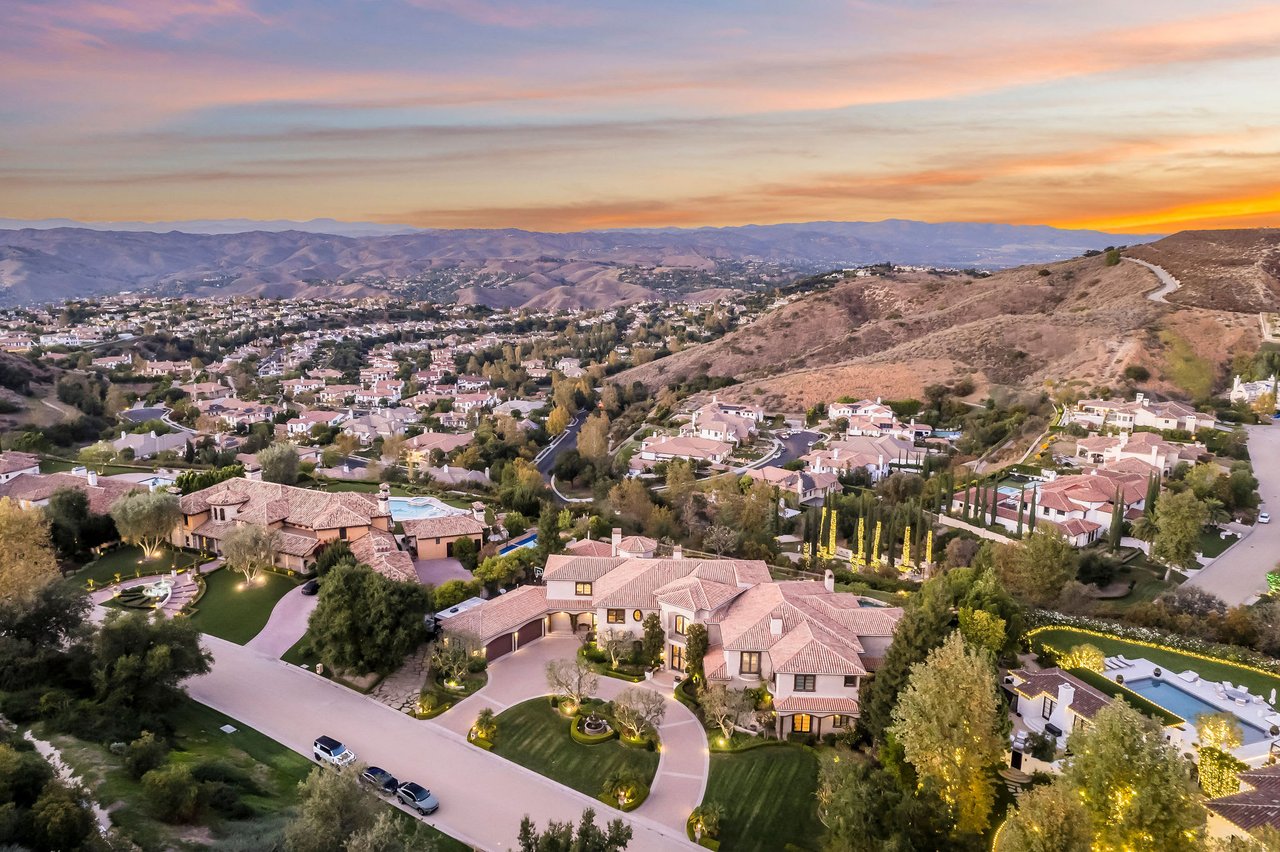
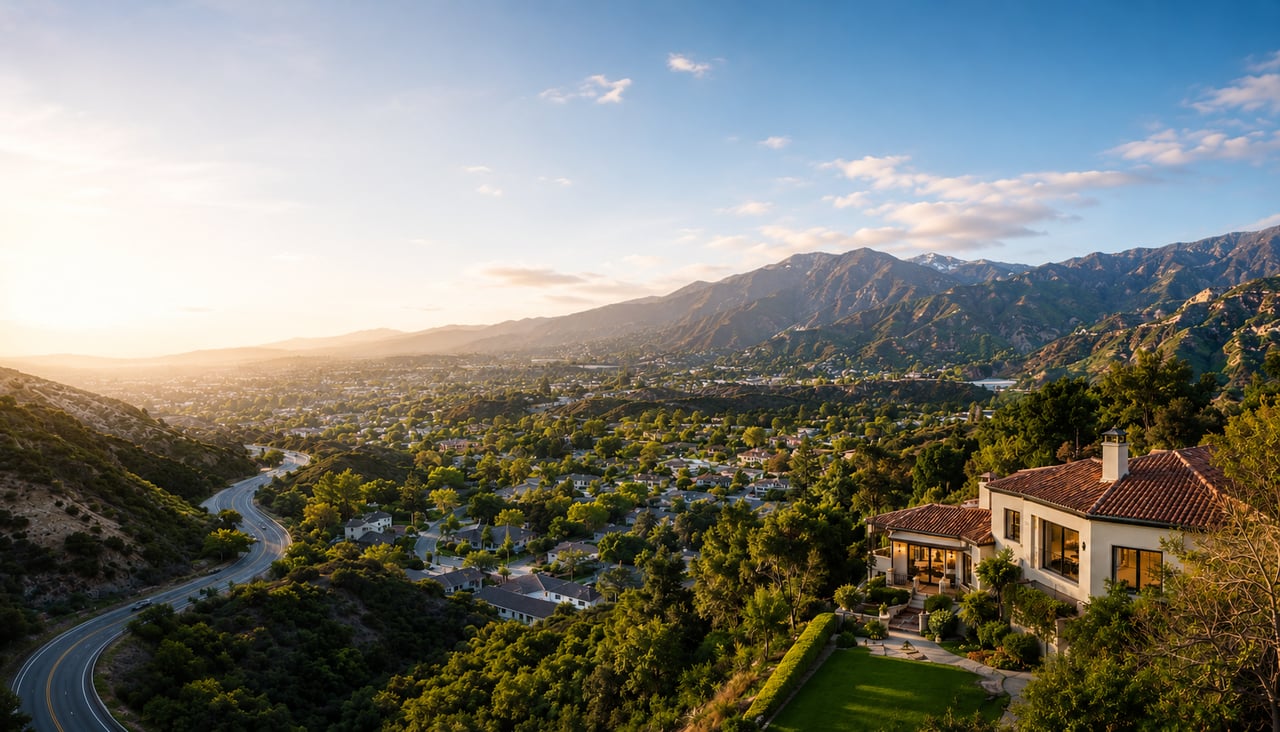
Hidden Hills runs on a dual system. The city handles municipal services and permits. The Hidden Hills Community Association, a private entity, manages the gates, the roads, and the equestrian common areas, and enforces recorded CC&Rs and architectural standards on top of whatever the city allows. That association is why every one of the roughly 648 home sites sits on at least one acre with no subdivision exceptions, why the city carries mandatory equestrian zoning on every parcel, and why the roughly 25 miles of bridle trails and three community riding arenas feel maintained rather than merely present.
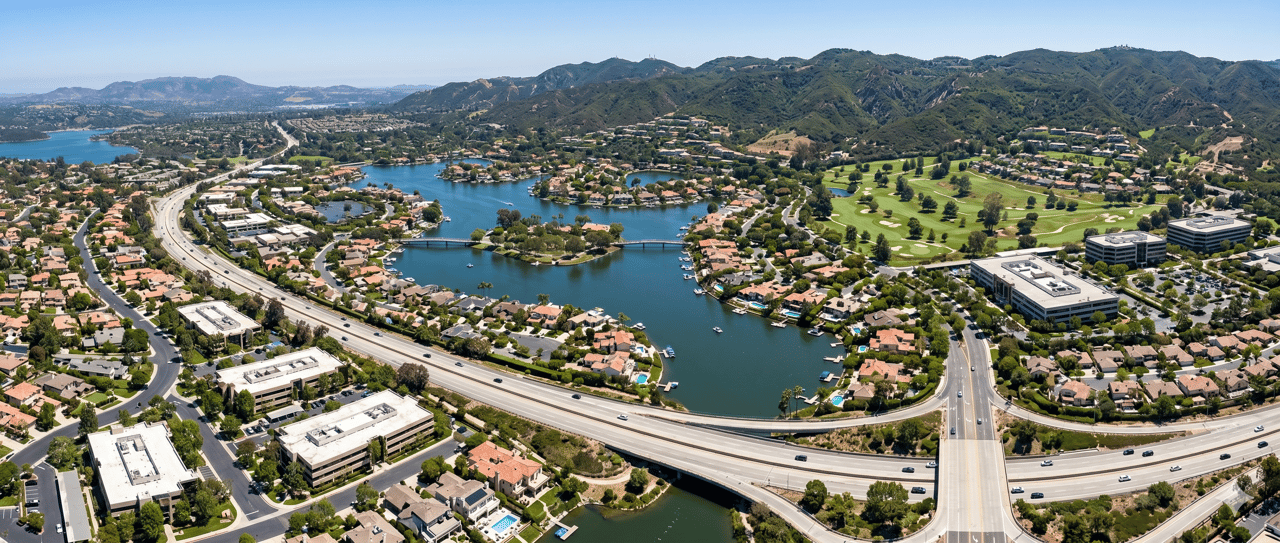
Hidden Valley has no equivalent. It belongs to no incorporated city, and nothing plays the role the HHCA plays in Hidden Hills. What actually governs a Hidden Valley purchase is Ventura County's area plan for the Lake Sherwood and Hidden Valley region, a document written to preserve existing land-use patterns rather than to manage a gated community. That plan sets Rural Residential designations with minimum parcel sizes running from 2 to 10 acres, and Open Space designations that can run from 10 to more than 80 acres, built around low-density residential use and agriculture rather than a uniform lot size.
Neither system is better. They're built for different products. Hidden Hills sells a managed, standardized version of equestrian living where every lot starts at the same acreage floor and a private association keeps the trails groomed. Hidden Valley sells the land itself, unstandardized, with the county rather than a neighbor-run board deciding what you can add.
"Equestrian" Means a Different Acreage Depending on Which Gate You're Comparing
Say you're comparing two listings marketed as equestrian estates, one in each community. In Hidden Hills, you already know the floor: one acre, mandatory horse-keeping rights, consistent architectural review across every parcel. The variable is the house and the improvements on it.
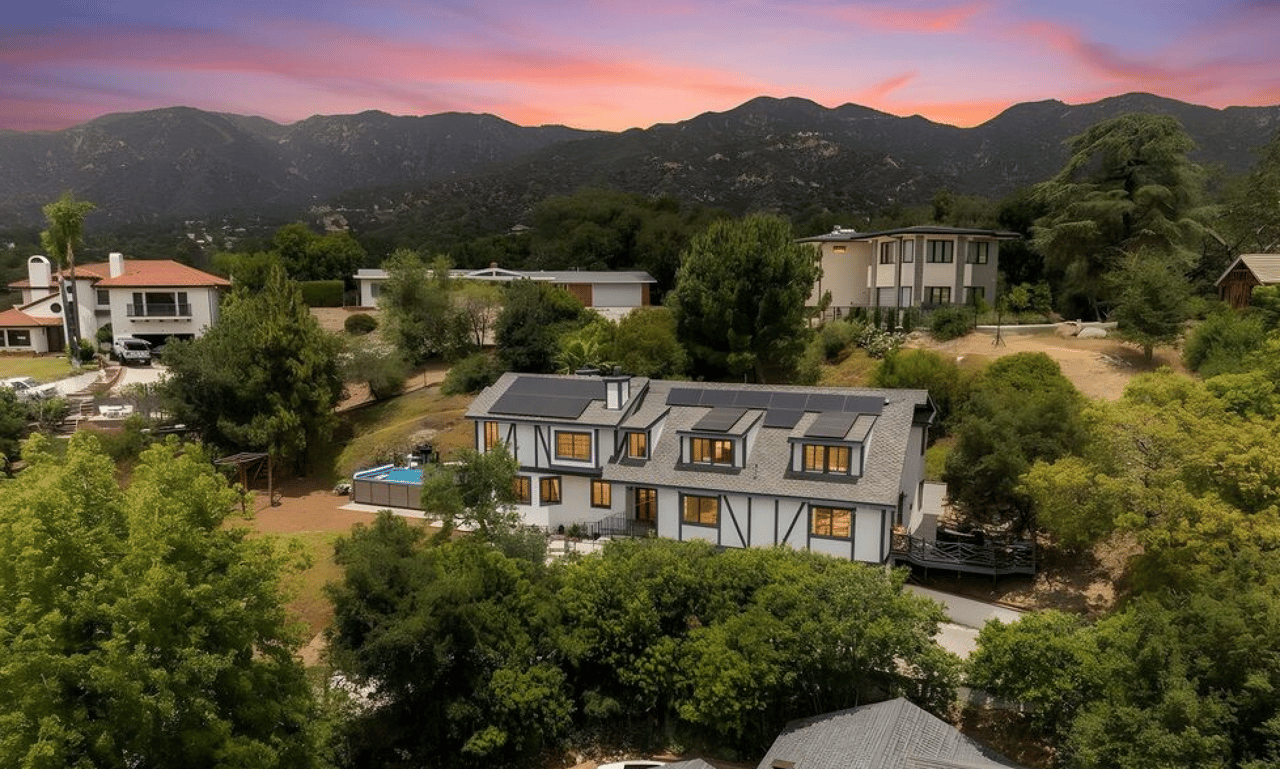
In Hidden Valley, the floor moves. A property in a Rural Residential pocket of the county plan might sit on 2 acres. Another a few miles over, especially anything touching an Open Space designation, could carry 20, 40, or more. Local brokers describe many Hidden Valley residences as sitting on 20-acre or larger parcels, with value tied to acreage, usable land, and privacy rather than square footage or finishes. That's a fundamentally different pricing input than anything Hidden Hills offers, where the acreage is fixed and the competition happens entirely on the house.
One regional comparison of Ventura County equestrian markets put it plainly, describing the Thousand Oaks area around Hidden Valley and nearby Lynn Ranch as catering to "a more polished, upscale equestrian scene with stricter community guidelines" relative to more rugged, lower-cost alternatives elsewhere in the county. Polish and structure are exactly what a private association like the HHCA sells. Hidden Valley trades that structure for scale, land you can actually spread out on, without anyone but the county telling you how.
Why the Median Price You Found Online Isn't Comparing the Same Thing
Hidden Hills closed at a median sale price of approximately $8.2 million across roughly six to ten closings in the ninety days ending in May 2026, with active inventory typically running 18 to 30 listings and days on market averaging 65, among the slowest paces in the region given the price tier and the narrow buyer pool at the top end. Pricing there ranges from about $5 million for older homes due for renovation up to $20 million or more for newly built estates on premier parcels, with post-Woolsey new construction making up a meaningful share of current inventory and trading at a 15 to 30 percent premium over comparable older homes.
Hidden Valley listings have recently started around $3 million and run past $20 million depending on acreage and amenities, according to local market guides. On paper those ranges overlap almost entirely with Hidden Hills. In practice, a $5 million Hidden Valley purchase and a $5 million Hidden Hills purchase are buying different things. In Hidden Hills, you're buying a house on a standardized one-acre lot inside a managed, guarded system with a fixed trail network. In Hidden Valley, you might be buying 3 acres of land with a modest ranch house, or 30 acres of open space with room to build out over time. The dollar figure lines up. The product underneath it doesn't.
That's the trap in treating either median as a shorthand for the other. A buyer comparing "Hidden Hills at $8.2 million" against "Hidden Valley starting at $3 million" and concluding one is simply cheaper is comparing a managed one-acre estate system to raw acreage priced by the parcel. The better question isn't which number is lower. It's which governance and land structure actually matches what you want to do with the property.
What Changes When You Actually Write the Offer
Buying in Hidden Hills means budgeting time and paperwork the county alone wouldn't require. Before removing contingencies, buyers typically request the HHCA resale packet, which includes the CC&Rs, bylaws, rules and regulations, and architectural standards, along with recent HHCA board minutes covering any updates to trail or arena policy, animal rules, or special assessments. Because open houses aren't permitted, private showings have to be coordinated through the gate in advance, which adds a scheduling step that doesn't exist almost anywhere else in the region.
Buying in Hidden Valley shifts that homework toward the county rather than an association. There's no CC&R packet to request because there's no private board issuing one. Instead, the practical due diligence is confirming which zoning designation actually applies to the parcel, Rural Residential or Open Space, since that determines the minimum lot size, what you're allowed to build, and whether the acreage can support the barn, arena, or guest structure a buyer has in mind. Some Hidden Valley buyers also weigh proximity to Sherwood Country Club, a private, member-owned club founded in 1989 offering golf, tennis, and dining in Thousand Oaks, since the social and recreational infrastructure a homeowners association would otherwise provide often comes from a private club instead in a community with no HOA of its own.
Neither path is harder. They're just different kinds of homework, and confusing which one applies to which listing is the single most common way buyers waste time comparing these two markets.
Frequently Asked Questions
Is Hidden Valley part of Hidden Hills? No. Hidden Hills is an incorporated city with its own city government and a private community association. Hidden Valley is an unincorporated part of Ventura County, governed by a county area plan rather than a city or homeowners association.
Which one has stricter rules on what you can build? Hidden Hills applies uniform architectural review and a fixed one-acre minimum across every parcel through the HHCA. Hidden Valley's rules vary by zoning designation, so a Rural Residential parcel and an Open Space parcel a few miles apart can carry very different minimums and allowances.
Can I tour homes in both the same day? Practically, plan separately. Hidden Hills requires coordinated, escorted showings with no open houses. Hidden Valley has no gate or association scheduling requirement, so access depends on the individual listing agent rather than a community-wide policy.
If you're weighing land, governance, and what "equestrian" actually buys you across these two markets, Frontgate Real Estate can walk you through the parcel-level details that a median price never shows.