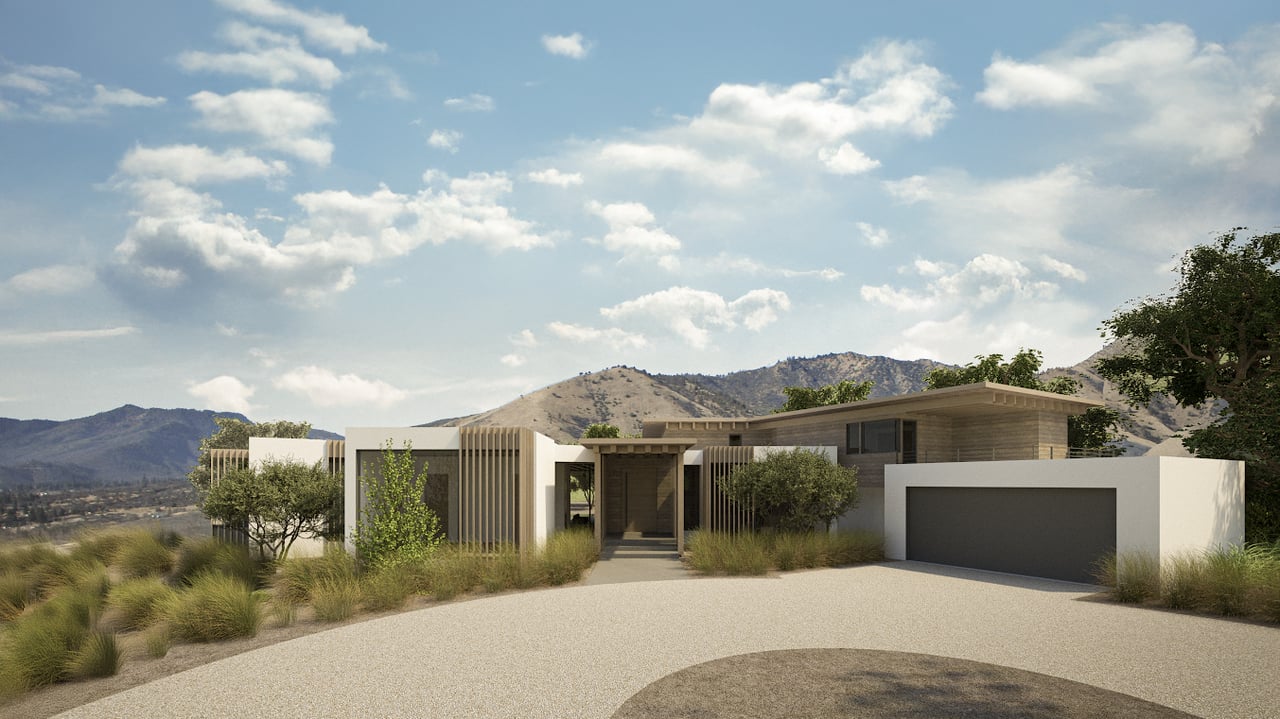
A broad panorama can become the deciding factor in a house search. Before it does, establish exactly what you are buying: which rooms capture the view, how much of it remains visible when seated and what you can verify about the land beyond the property. For a Camarillo view-home buyer, those questions deserve as much attention as bedroom count or floor area.
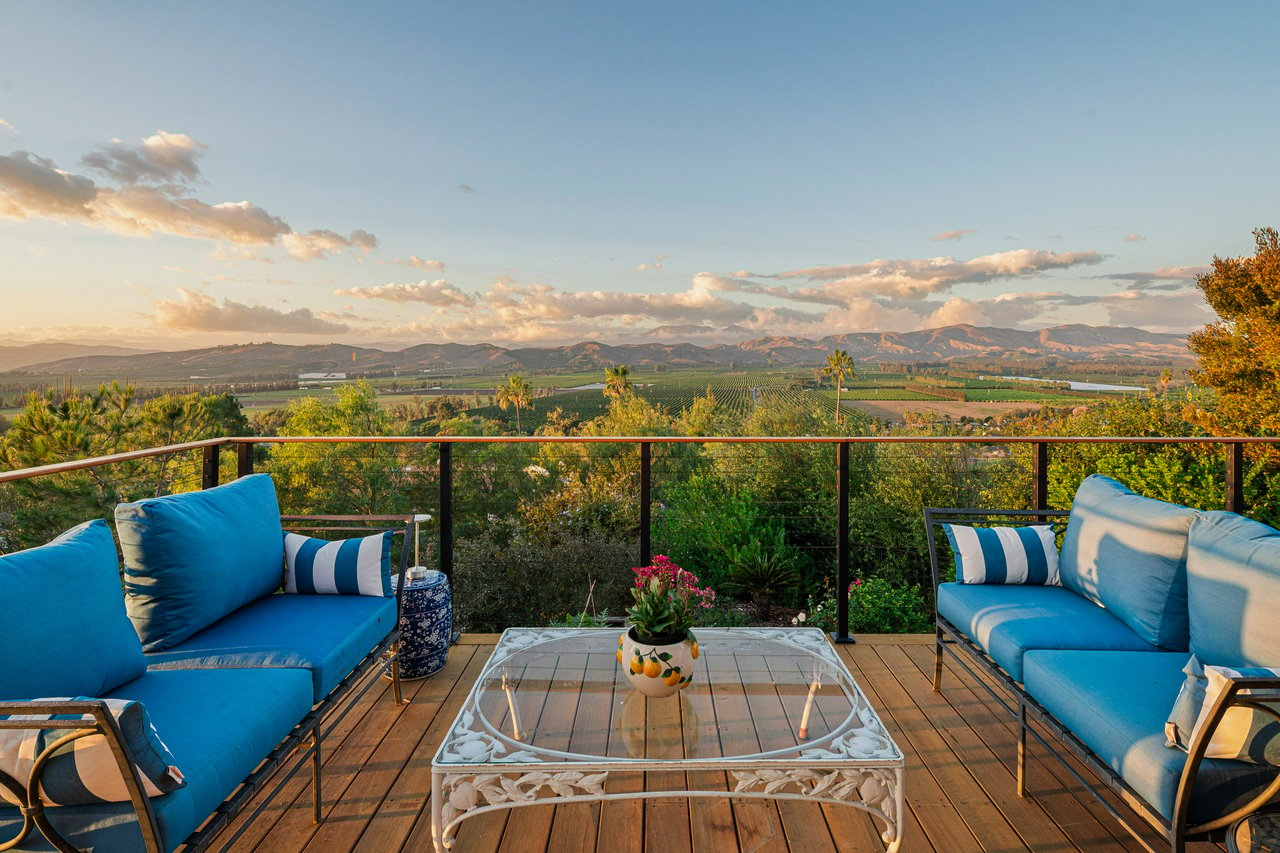
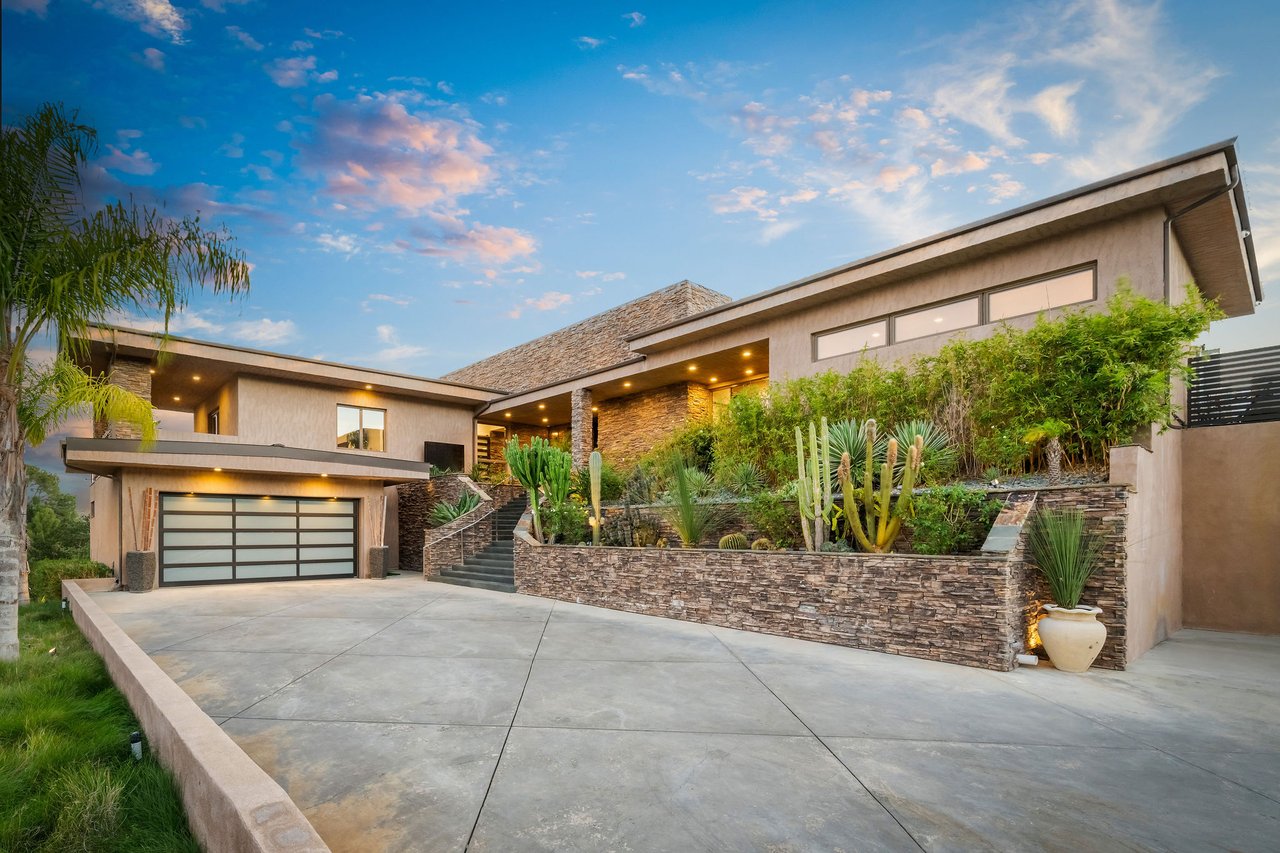
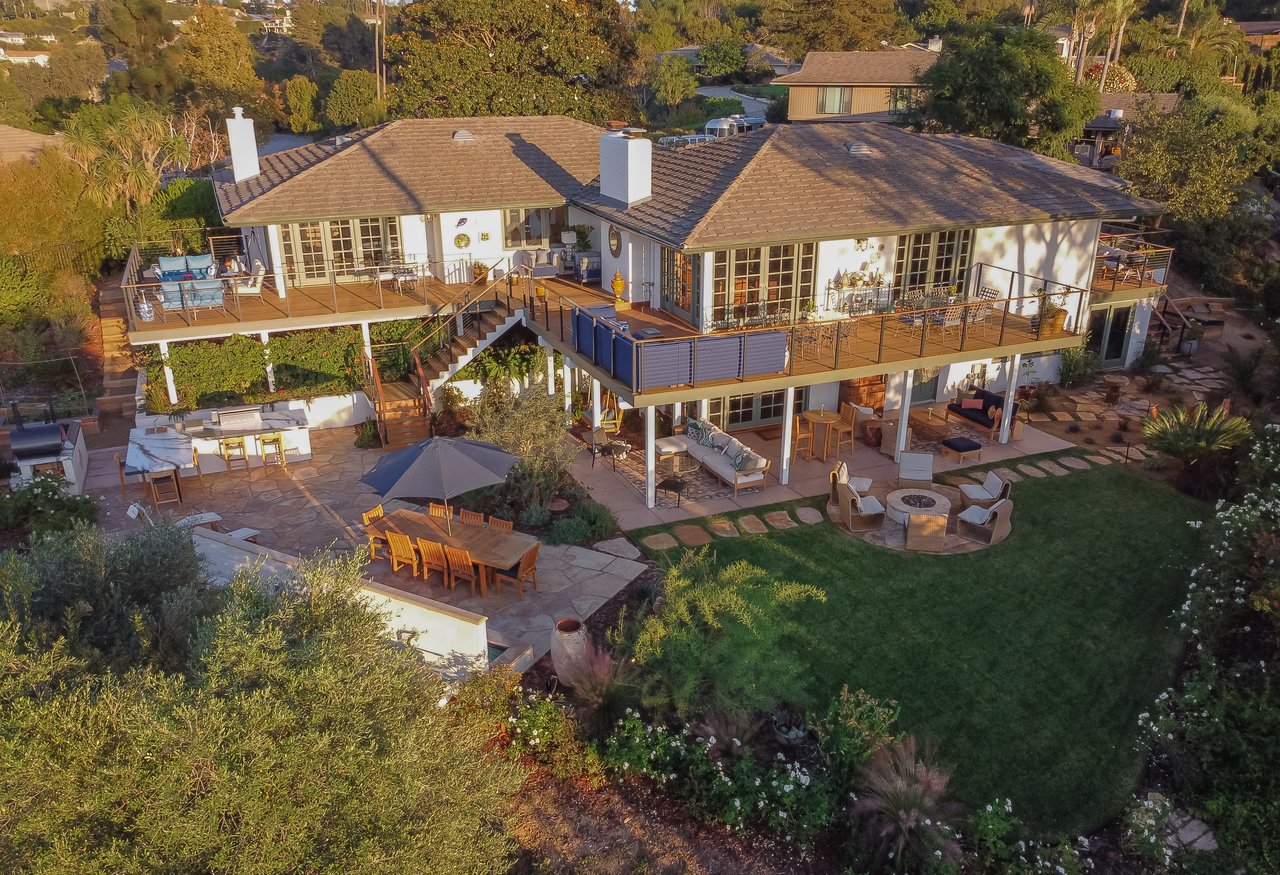
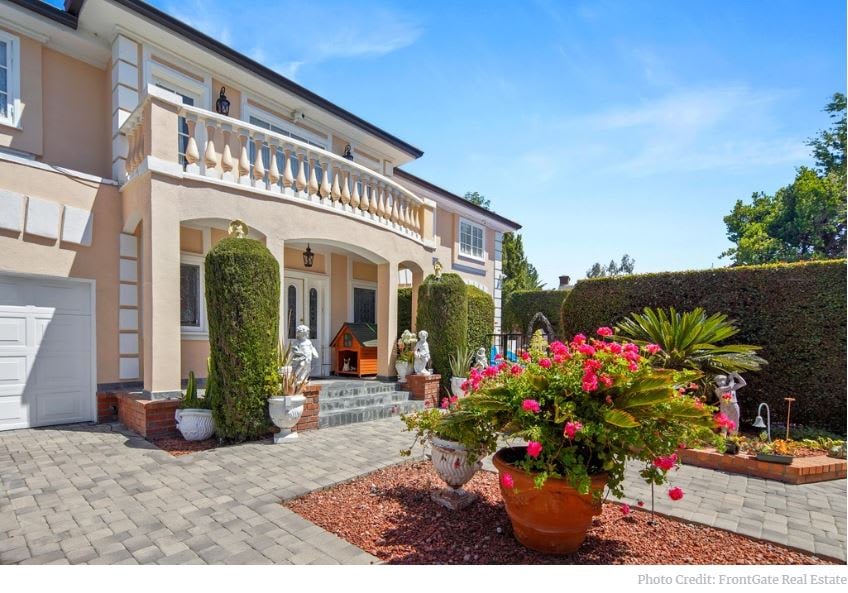
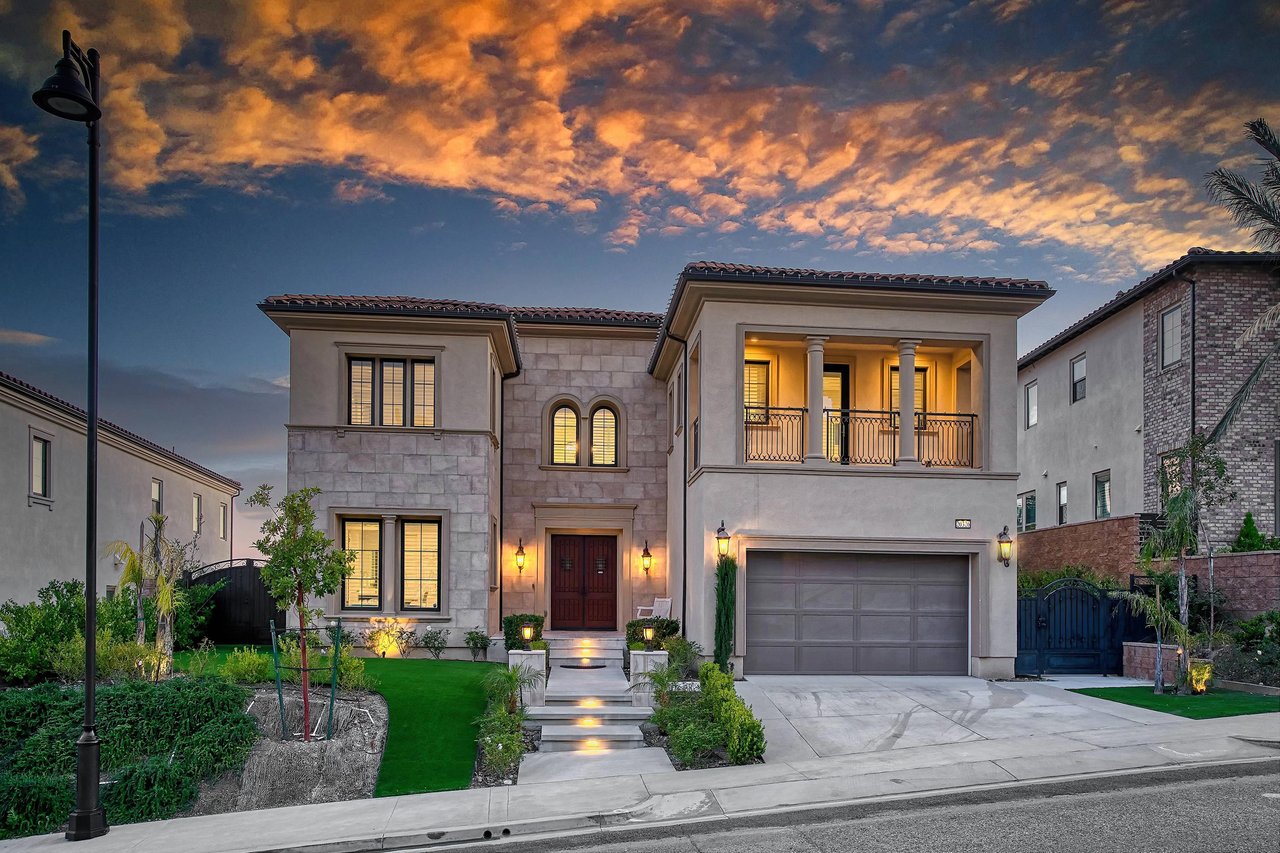
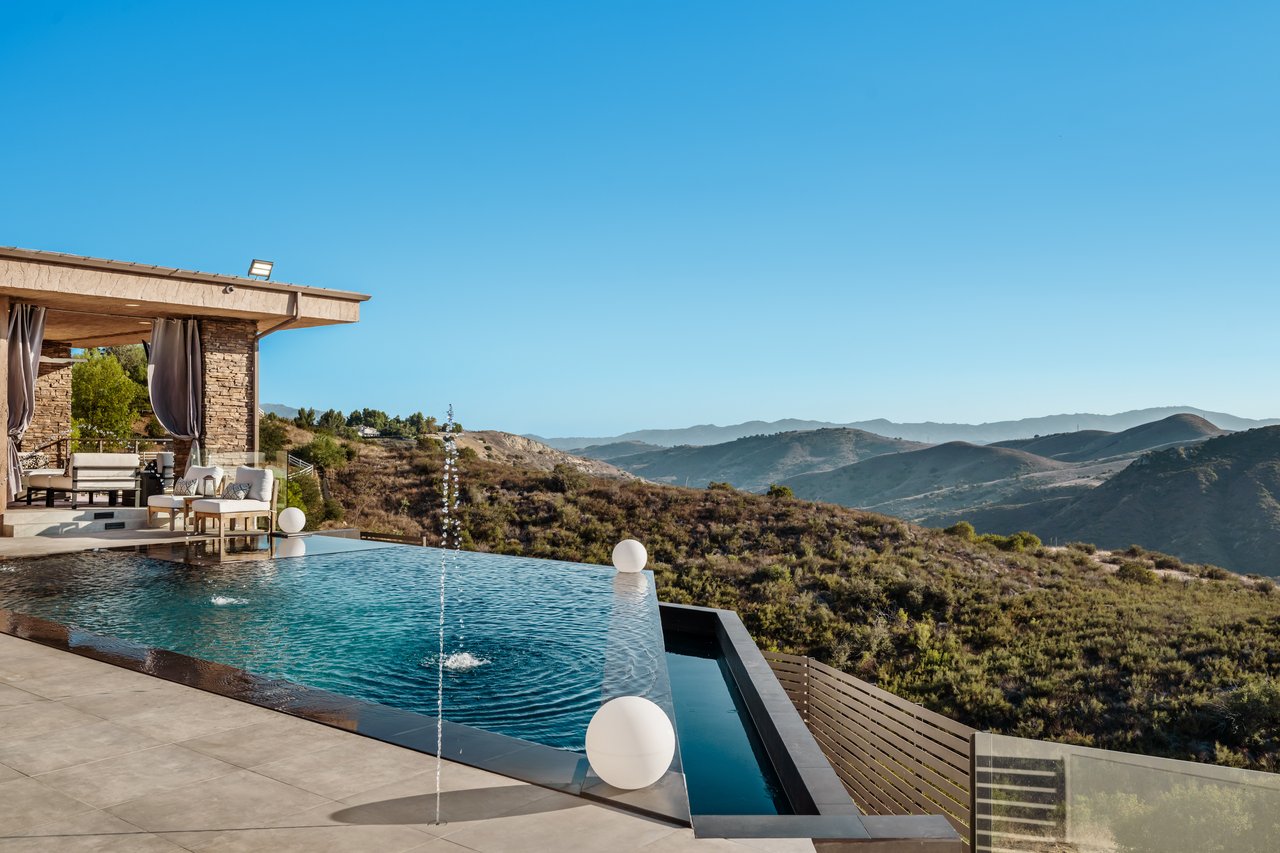
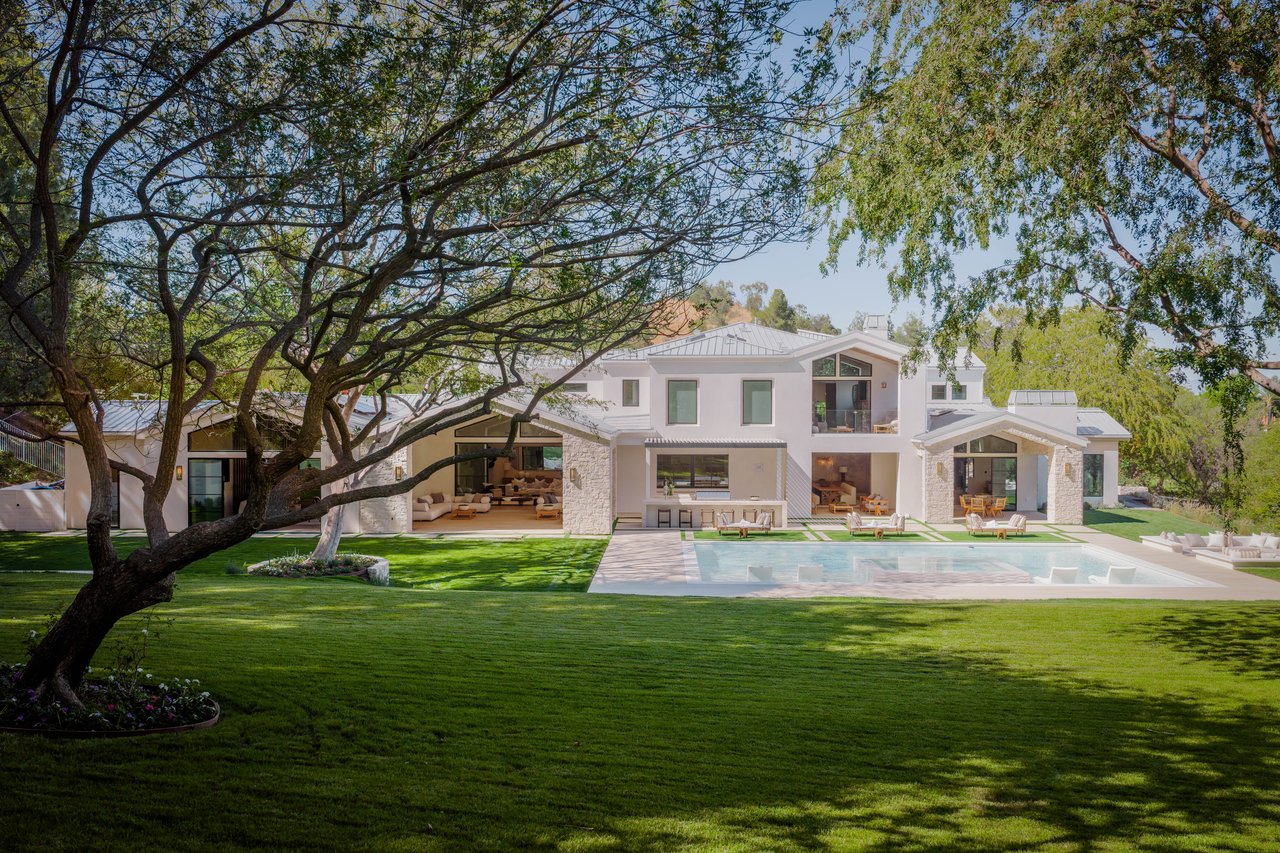
608 Piropo Court in Camarillo provides a concrete example. Listed at $2,199,000, the four-bedroom house has 4,129 square feet on 1.008 acres, with views across valleys, farmland and surrounding mountains extending to the Channel Islands. The buyer’s task is to assess that outlook as part of the whole property—not as a substitute for evaluating it.
Start with a search broad enough to compare different settings and sightlines.
Judge the view from where you would actually sit
During a showing, resist heading straight to the most dramatic vantage point. First, move through the rooms you expect to use most. Check the outlook from the kitchen work area, a dining chair, the main seating area and the bedroom. Note whether the landscape is visible without approaching a window or opening a door.
Separate a house with one exceptional viewpoint from a house with views throughout the rooms that matter to you. Neither arrangement is automatically better. A single terrace might satisfy a buyer who mainly wants an outdoor outlook; another buyer may place greater weight on the view from a desk or sofa. Make that distinction before comparing prices.
Pay attention to the foreground as well as the horizon. Railings, rooflines, planting and window divisions all belong in your assessment. Take photographs from ordinary seated and standing positions, with permission, rather than relying on a single wide-angle image. Those records can help you compare properties after several showings.
Revisit for light, visibility and exposure
Ask for another visit at a different hour when possible. Record where sunlight falls, whether glare interferes with the outlook and which rooms need shades drawn for comfortable use. If the distant view is a major reason for buying, ask about visibility across different conditions rather than treating one showing as a complete picture.
Spend time outside without moving from one viewpoint to the next. Sit where a dining table or lounge chair would go. Notice wind, direct sun and shade at the time of your visit. Ask what shading equipment is included in the sale and what would require a separate purchase. Keep observed conditions distinct from assumptions about other hours or seasons.
Sound deserves the same unhurried attention. Pause indoors with doors closed, then outdoors, and note what you hear. The purpose is not to expect silence but to decide whether the setting meets your own expectations. A distant outlook and the immediate experience of a property are separate considerations.
Understand the land inside—and beyond—the boundary
Acreage alone does not tell you how much land suits your intended use. Ask to review available boundary information and identify the areas you would actually use for dining, gardening or other outdoor activities. Distinguish existing usable areas from places that would need further evaluation or work. Do not assume that the entire parcel functions like the space nearest the house.
For the landscape beyond the boundary, begin with questions rather than assurances. Who owns the parcels in the principal sightline? What can the relevant planning office tell you about their current designation or any applications on file? Ask a qualified professional to interpret recorded documents if view-related rights or restrictions are important to your purchase.
Treat an open outlook today separately from any claim that it will remain unchanged. If someone describes a view as protected, request the documentation and have it reviewed. Avoid assigning lasting value to a verbal assurance you have not verified.
Compare the view premium with evidence
Ask your agent for comparable closed sales, not simply other asking prices. Review how those properties differ in size, condition, lot characteristics and the extent of their outlooks. Request an explanation of why each sale is relevant. A house with a distant glimpse from one room should not be treated as interchangeable with one whose principal rooms face an open landscape.
Then distinguish market evidence from personal preference. You may value a particular outlook more highly than another buyer would. That is a legitimate purchasing choice, but it should be a conscious one. Set a total budget that leaves room for ownership costs and any outdoor work you are considering, rather than allowing the panorama to absorb every available dollar.
Turn the second visit into a decision
Bring a short written checklist: the rooms where the view matters, the outdoor area you expect to use most, the documents still needed and the price comparison you want explained. Mark each item as observed, documented or unresolved. This keeps a memorable showing from becoming an indistinct impression.
Use those same criteria across your next shortlist. The strongest choice is the house whose setting, practical use and purchase terms hold up to the same scrutiny.
Read more in the Frontgate Journal.
Meet Your Listing Expert

Julie Arde is your San Fernando Valley expert at Frontgate Real Estate | Compass, guiding buyers and sellers through every step of the move.
Questions or want a private tour? Reach out today.
Frontgate Real Estate | Compass


Listing Verification & Private Showing Information
Showings require advance notice — please contact the listing agents directly to schedule. Square footage, lot size, and other details are provided by the seller and public records and have not been independently verified; buyers are advised to verify all information through personal inspection.