Infinity Pools in California: What It Takes to Build One
Engineering, permits and safety rules, featuring the zero-edge pool at 9 Morgan Rd in Bell Canyon
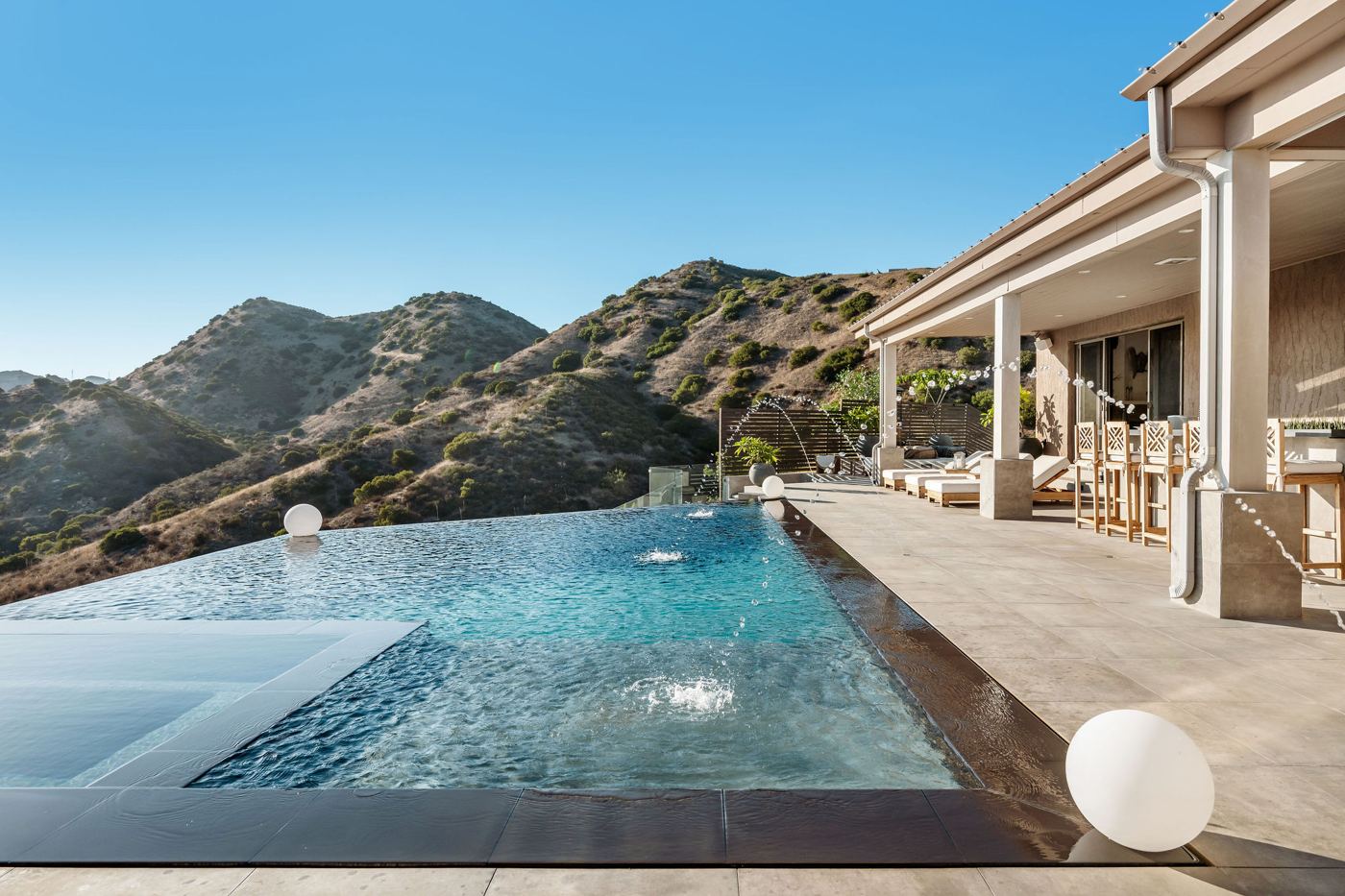
Building an infinity pool in California means engineering a spillover edge and catch basin, getting zoning and building permits, meeting state drowning-prevention rules and hiring a licensed C-53 pool contractor. This guide explains each step, using the zero-edge pool at 9 Morgan Rd in Bell Canyon (listed at $4,300,000) as the example. It is general information, and local requirements depend on your parcel.
At a Glance
- An infinity (vanishing-edge) pool is more complex than a standard pool: it adds a weir wall, a catch basin and a second pump system.
- In unincorporated Ventura County, expect a Zoning Clearance plus building permits.
- California Health and Safety Code section 115922 requires at least two drowning-prevention features for new or remodeled residential pools.
- Pool builders need a C-53 license, and the down payment is generally capped at 10 percent or $1,000, whichever is less.
- On a slope, the pool also needs a structure to hold it up, often caissons and grade beams, which is a major reason hillside infinity pools cost more.
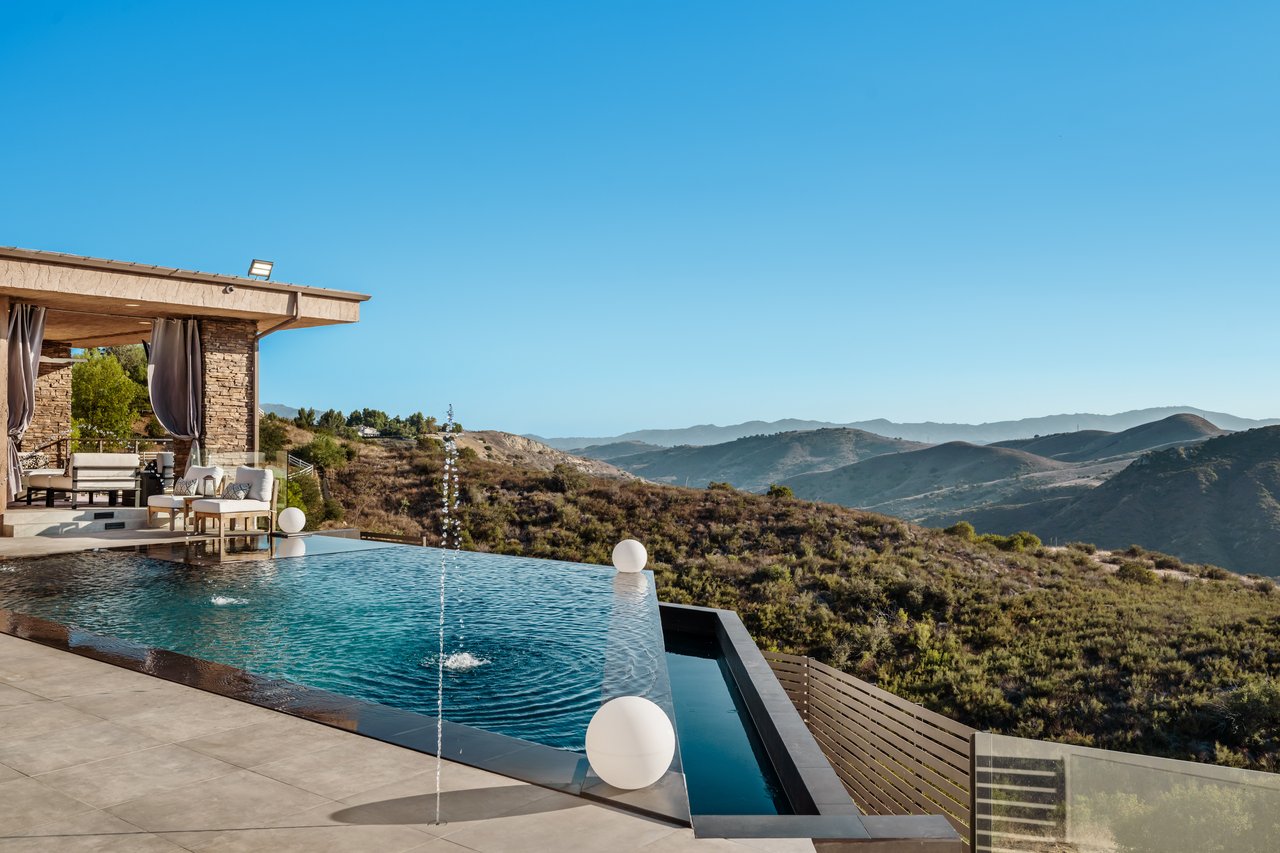
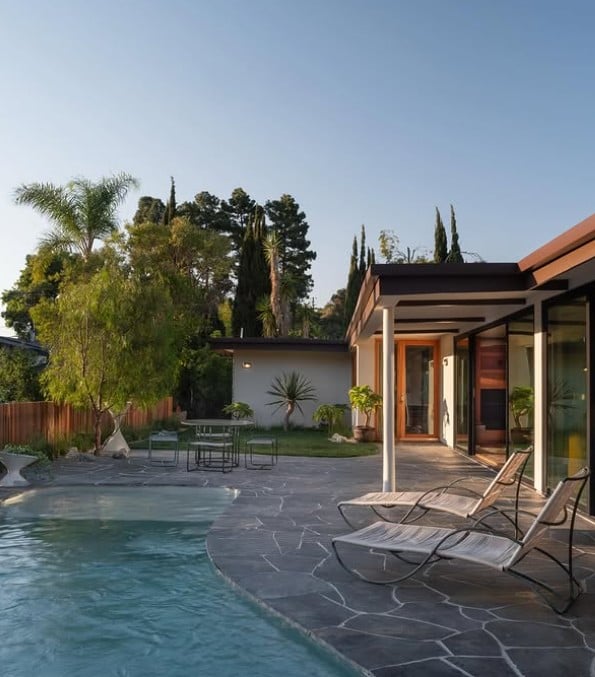
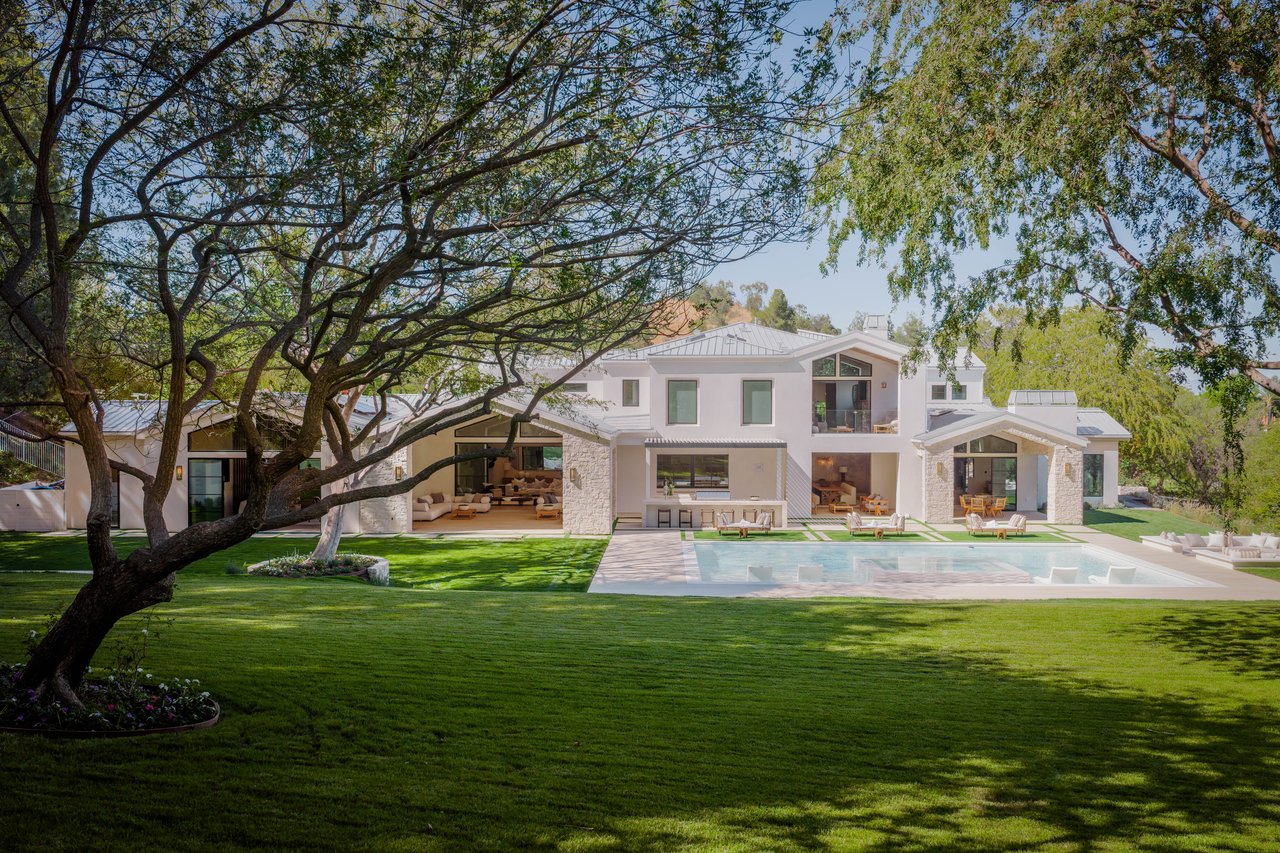
- At 9 Morgan Rd, the listing describes a heated, in-ground, zero-edge infinity pool and a heated spa with a Baja shelf.
What is an infinity pool and how does it work?
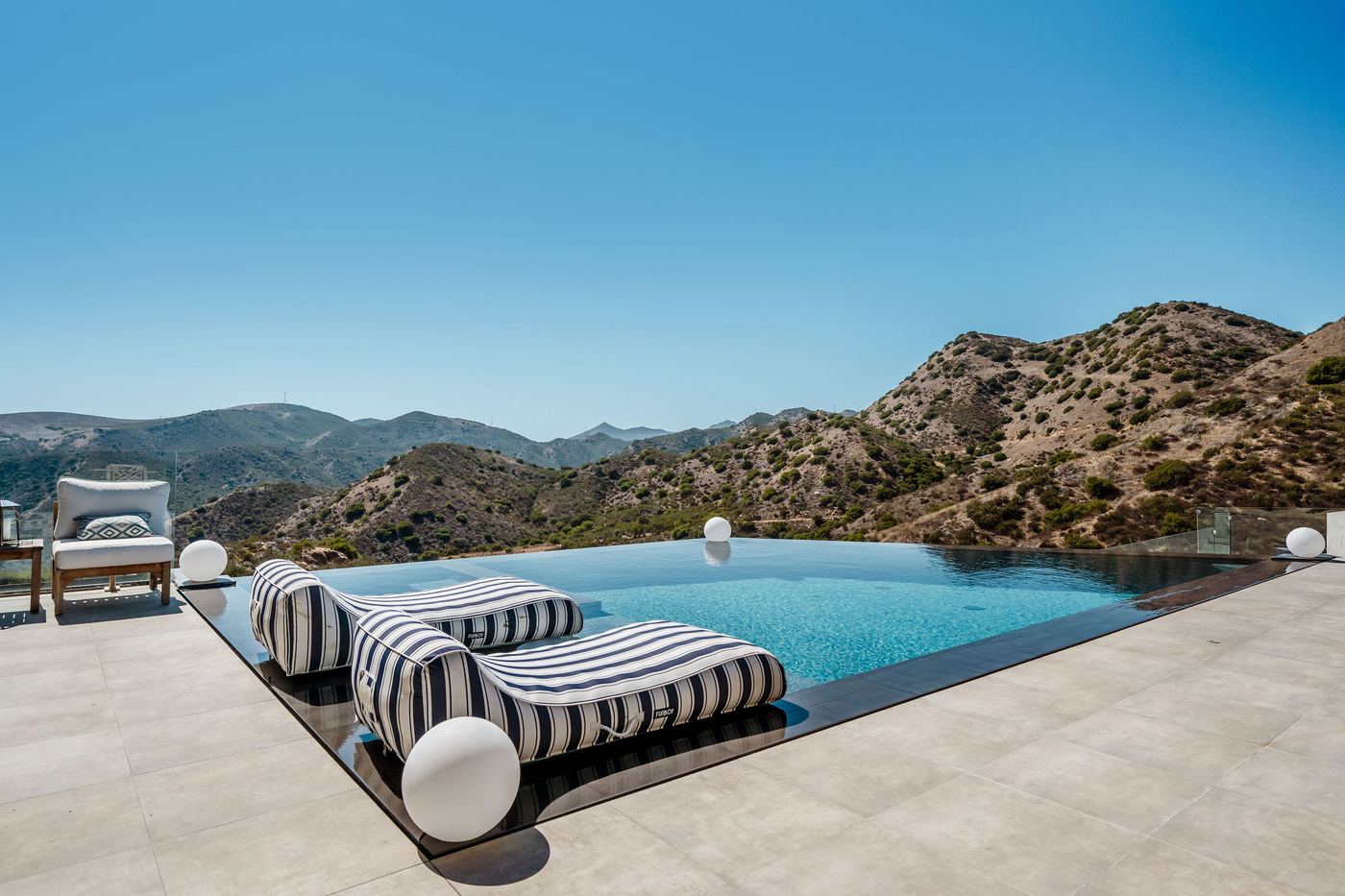
In an infinity, vanishing-edge or negative-edge pool, water spills over one or more edges into a catch basin, then is pumped back to the pool. AQUA Magazine’s pocket guide to building vanishing-edge pools describes the key parts: a weir wall that the water flows over, a catch basin large enough to hold all the water flowing over the edge, a variable-speed pump and filter for the edge flow, and an electronic level control in the basin.
What makes infinity pools harder to build?
WaterShapes calls vanishing-edge pools “trickier structurally and hydraulically” than standard pools. AQUA Magazine and WaterShapes flag the same problem areas:
- Catch basin size: an undersized basin can run dry before water covers the edge, or overflow when water in transit returns.
- Waterproofing: the weir wall needs waterproofing on both faces; poor waterproofing can lead to efflorescence and tile delamination.
- Wind: wind can blow edge water past the basin, which on a hillside can wash down or erode the slope below.
- Level control: a level sensor placed in the basin, not the pool, keeps the edge running correctly.
- Structure: on a slope, the pool often sits on caissons and grade beams designed by a structural engineer, not on a standard slab (WaterShapes).
What permits does an infinity pool need in Ventura County?
For non-coastal, unincorporated areas, the Ventura County Resource Management Agency says pools and spas must conform to sections 8106-5.5 and 8106-5.13 of the Non-Coastal Zoning Ordinance, with a Zoning Clearance Application and site plans submitted to the Planning Public Counter. Details are on the county’s pool and spa page, and building permit information is at Building and Safety. Check the requirements for your specific parcel, and ask the Bell Canyon Association whether association review applies before you start.
Hillside lots add another layer. Ventura County Public Works says geotechnical reports are “required for most site grading, retaining walls, and hillside construction,” all common when a pool is cut into a slope (Soil Report Review).
What drowning-prevention rules apply in California?
When a permit is issued for a new or remodeled pool or spa at a private single-family home, Health and Safety Code section 115922 requires at least two of seven drowning-prevention safety features. They include an enclosure, removable mesh fencing, a safety pool cover, door and window exit alarms, self-closing and self-latching doors, a pool alarm, or other independently verified protection. The county’s pool and spa certification handout walks owners through compliance, and the building inspector must approve the measures before the pool is filled.
What energy rules affect a California pool?
Under the 2022 Energy Code, Energy Code Ace explains, pools with auxiliary loads must use a multispeed pump or a separate pump for each load, circulation must be timed to run during off-peak electric periods, heaters must meet efficiency standards, and outdoor pools and spas with gas or electric heaters need a cover. Code cycles update, so confirm the current rules at permit time.
Who can build a pool, and how should you pay?
The Contractors State License Board says a C-53 Swimming Pool license covers building pools, spas and hot tubs. In its consumer guide to swimming pool construction, it advises a written contract with a plan and scale drawing, a payment schedule tied to completed work, and bids from at least three contractors. The down payment cannot exceed 10 percent of the price or $1,000, whichever is less, and the guide notes that contractors usually pull the building permits.
What does the pool at 9 Morgan Rd offer?
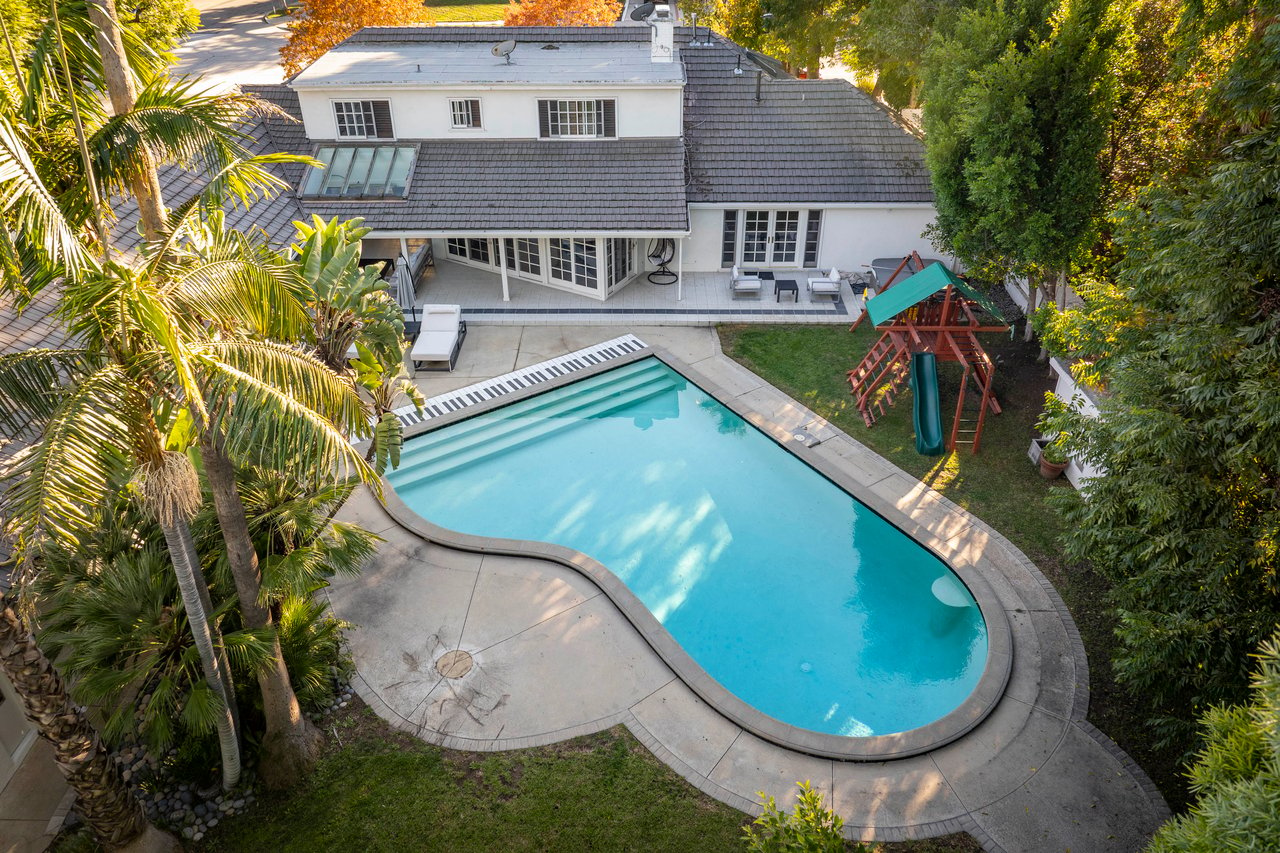
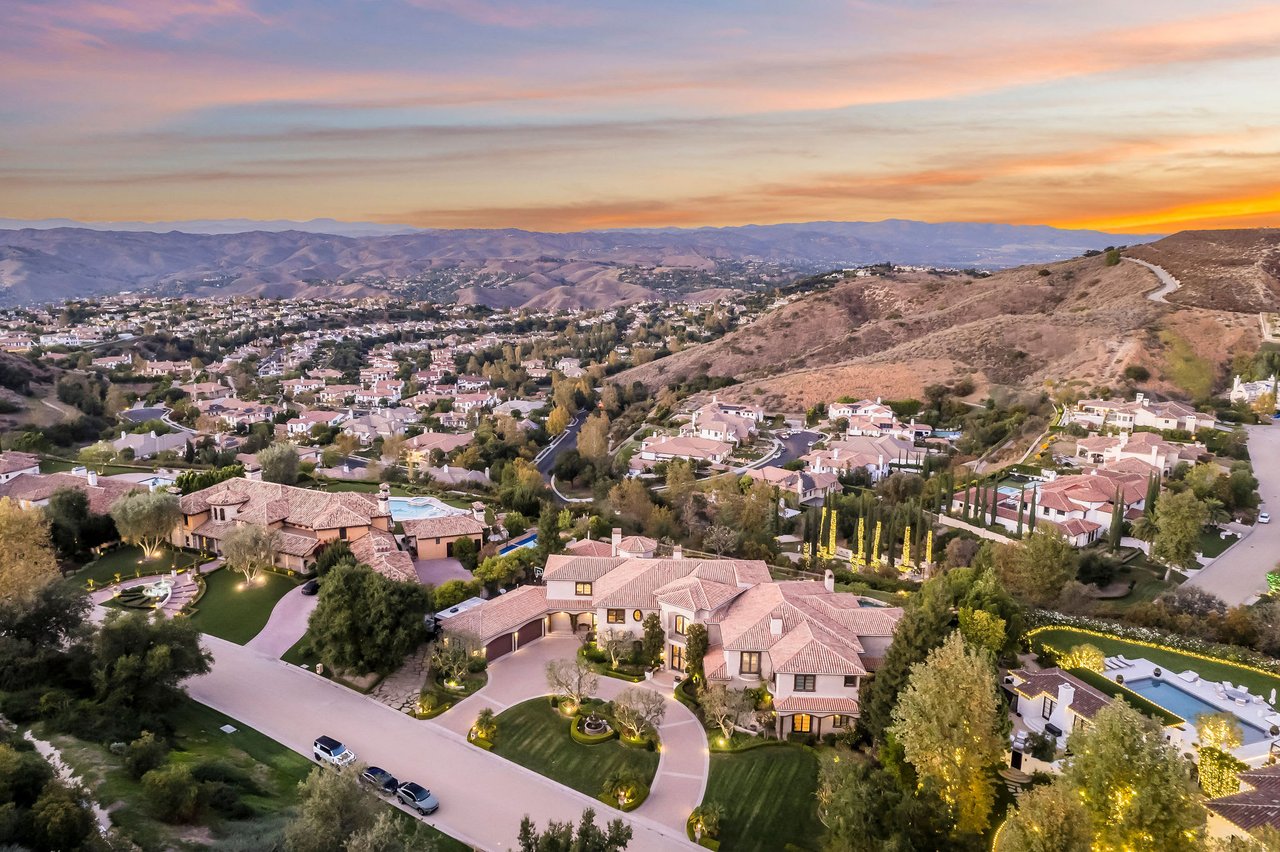
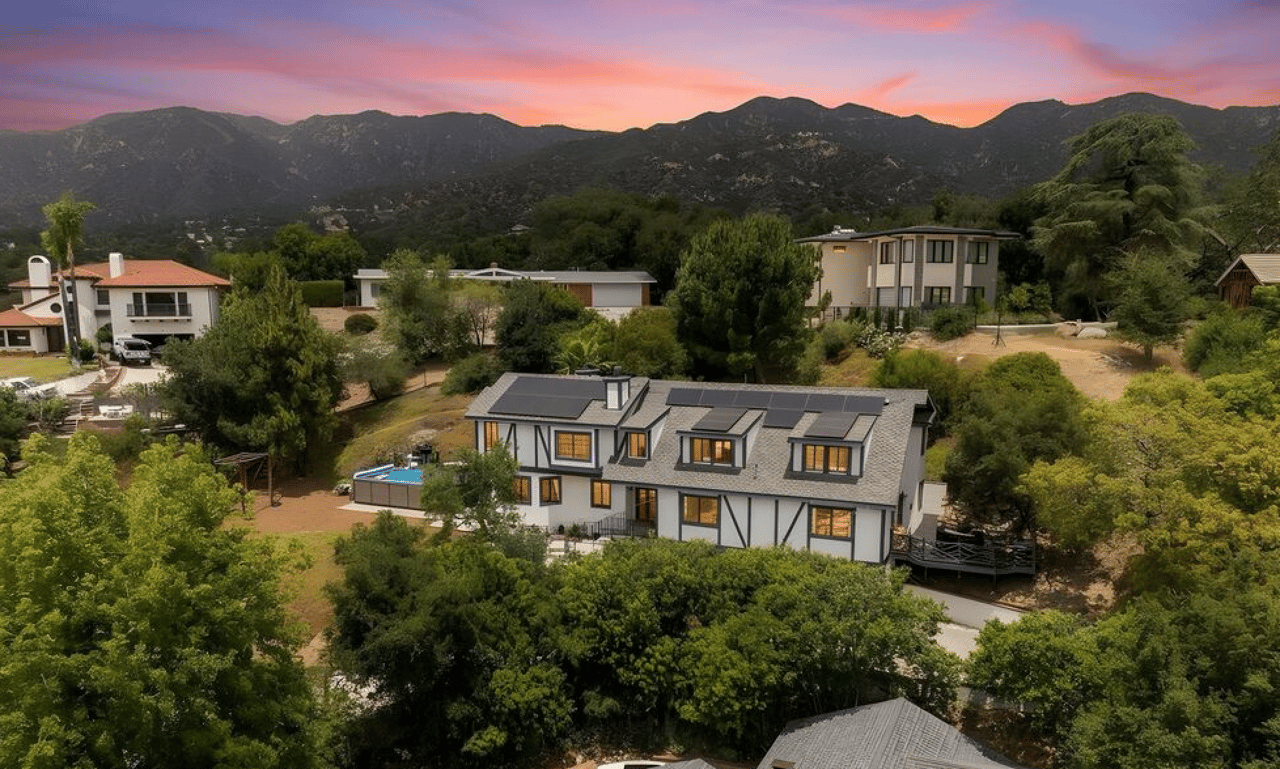
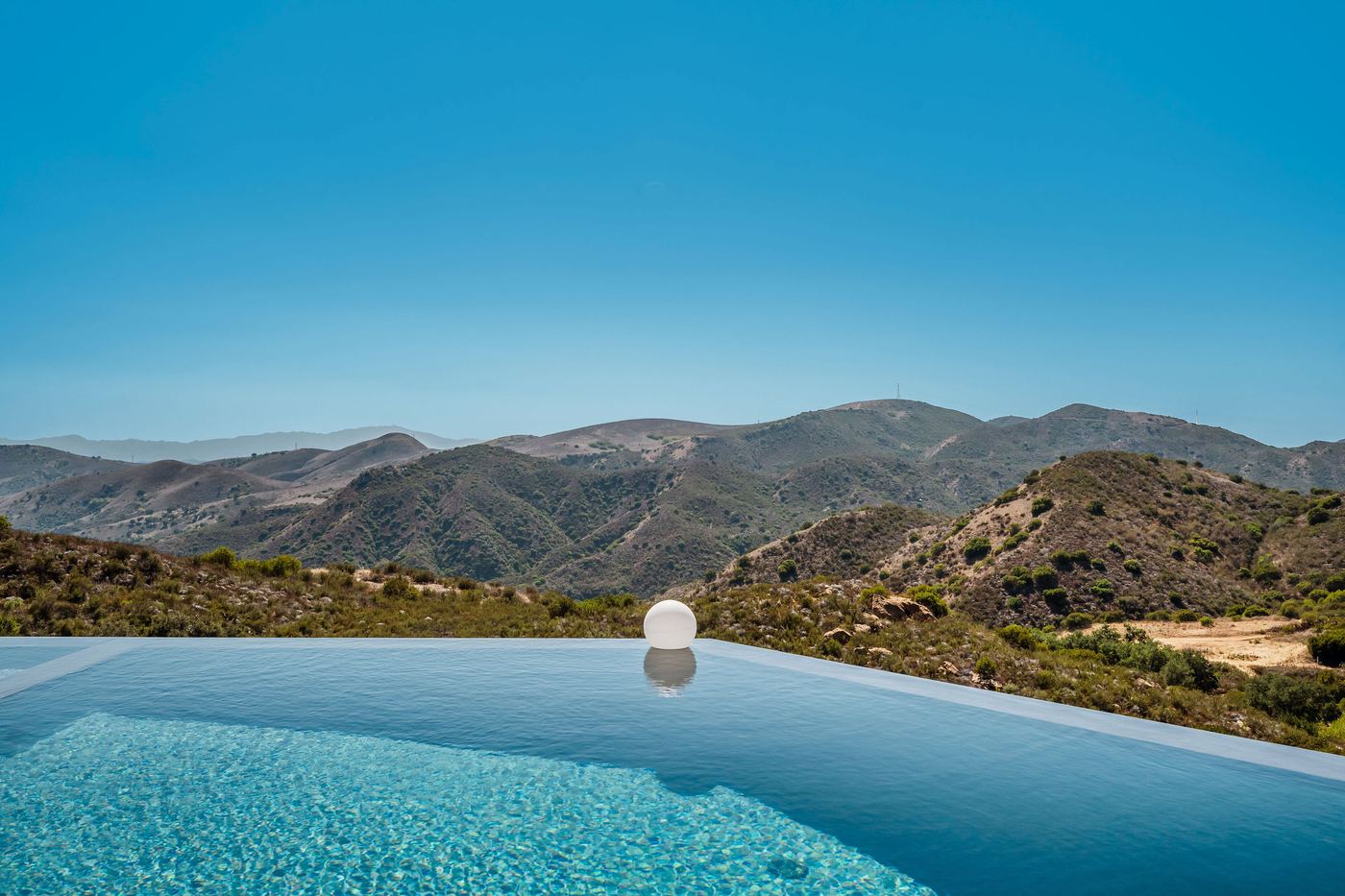
The listing describes a zero-edge infinity pool among the newly realized grounds added by the current owners, along with a tranquil spa with a Baja shelf and multiple patio areas. The MLS lists the pool as in-ground, heated, negative-edge (infinity) and private, and the spa as in-ground and heated. The pool is supported by caissons set into the slope below it, and expansive canyon views extend just beyond the edge.
If you are buying a home with a recent infinity pool, request permit and final-inspection records, the drowning-prevention certification, equipment service records and any repair history for the edge, basin and waterproofing. See our look at the upgrades at 9 Morgan Rd and our guide to view homes and luxury living in Bell Canyon, then visit the 9 Morgan Rd listing or the Bell Canyon community page.
Frequently Asked Questions
What is the difference between an infinity, vanishing-edge, negative-edge and zero-edge pool?
The terms describe the same basic design: water spills over one or more edges into a hidden catch basin and is recirculated. The MLS for 9 Morgan Rd uses “negative edge/infinity” and the listing remarks say “zero-edge.”
Do you need a permit to build a pool in Ventura County?
Yes. In non-coastal unincorporated areas, Ventura County requires a Zoning Clearance for pools and spas that conform to sections 8106-5.5 and 8106-5.13 of the Non-Coastal Zoning Ordinance, in addition to building permits. Start with the county’s pool and spa page and confirm requirements for your parcel.
What safety features does California require for a new residential pool?
When a building permit is issued for a new or remodeled pool or spa at a private single-family home, California Health and Safety Code section 115922 requires at least two of seven drowning-prevention safety features, such as an enclosure, a safety pool cover, door alarms or self-closing, self-latching doors. Read the statute and the county’s certification handout.
Who can build a pool in California?
A contractor with a C-53 Swimming Pool license, or a contractor who subcontracts the pool work to a C-53 licensee, according to the Contractors State License Board. Verify any license at cslb.ca.gov.
Does a heated pool need a cover in California?
Under the 2022 California Energy Code, outdoor pools and spas with gas or electric heaters must have a cover, per Energy Code Ace. Newer code cycles may apply to new permits, so confirm the current requirement with your building department.
Is the pool at 9 Morgan Rd heated?
Yes. The MLS lists the pool as in-ground, heated, negative-edge (infinity) and private, and lists the spa as in-ground and heated.
Why do infinity pools cost more on hillside lots?
On a slope, you are not only building a pool. You are building the structure that holds it up. That often means caissons (deep concrete piers drilled down to stable soil or rock), grade beams that tie them together, and a catch basin below the edge. That is the case at 9 Morgan Rd, where the pool sits on caissons over the slope. In one hillside project in nearby Moorpark, Pool & Spa News reported 27 caissons drilled 30 to 40 feet into the ground. Ventura County also requires geotechnical reports for most hillside construction, and drilling rigs can be hard to get onto a steep site. HomeAdvisor estimates the infinity-edge design alone adds 20 to 50 percent to the cost of a standard pool, before any hillside work. For a firm number, get bids from licensed C-53 pool contractors.
What should I ask when buying a home with an infinity pool?
Ask for permit and final-inspection records, the drowning-prevention certification, equipment ages and service records, and any history of leaks or repairs to the edge, basin or waterproofing. Have a licensed pool professional inspect the system.
Sources and further reading
- AQUA Magazine: A Pocket Guide to Building Vanishing-Edge Pools
- WaterShapes: Vanishing Edge Pools, Problems and Solutions
- WaterShapes: A Slice of Paradise (caissons and grade beams on a hillside pool)
- Pool & Spa News: High Drama (Moorpark hillside vanishing-edge pool)
- HomeAdvisor: Infinity Pool Costs
- Ventura County RMA: Swimming Pool/Spa
- Ventura County: Pool/Spa Alarm Certification (B59)
- California Health and Safety Code section 115922
- CSLB: Consumer guide to swimming pool construction
- Energy Code Ace: Swimming pool and spa requirements
- Ventura County Public Works: Soil Report Review
Your Bell Canyon Listing Specialists
23500 Long Valley Rd, Hidden Hills, CA 91302
Showings are by appointment with 24 hours’ notice. Square footage, lot size and other details are provided by the seller and public records and have not been independently verified. Buyers are advised to verify all information through personal inspection and with appropriate professionals. Information is current as of October 2026 and is general in nature; it is not legal, engineering or tax advice.
FRONTGATE REAL ESTATE | (747) 888-0508 | 23500 Long Valley Rd, Hidden Hills, CA 91302